IndustriesArtificial Intelligence

Launch films for AI companies.

AI products are easy to over-explain and hard to make human. WERZ turns the product, the use case, and the buyer's moment of value into launch films, narrative commercials, product stories, and campaign cutdowns. Published work includes Giga AI, Compose AI, Eightfold, and TalentSky.

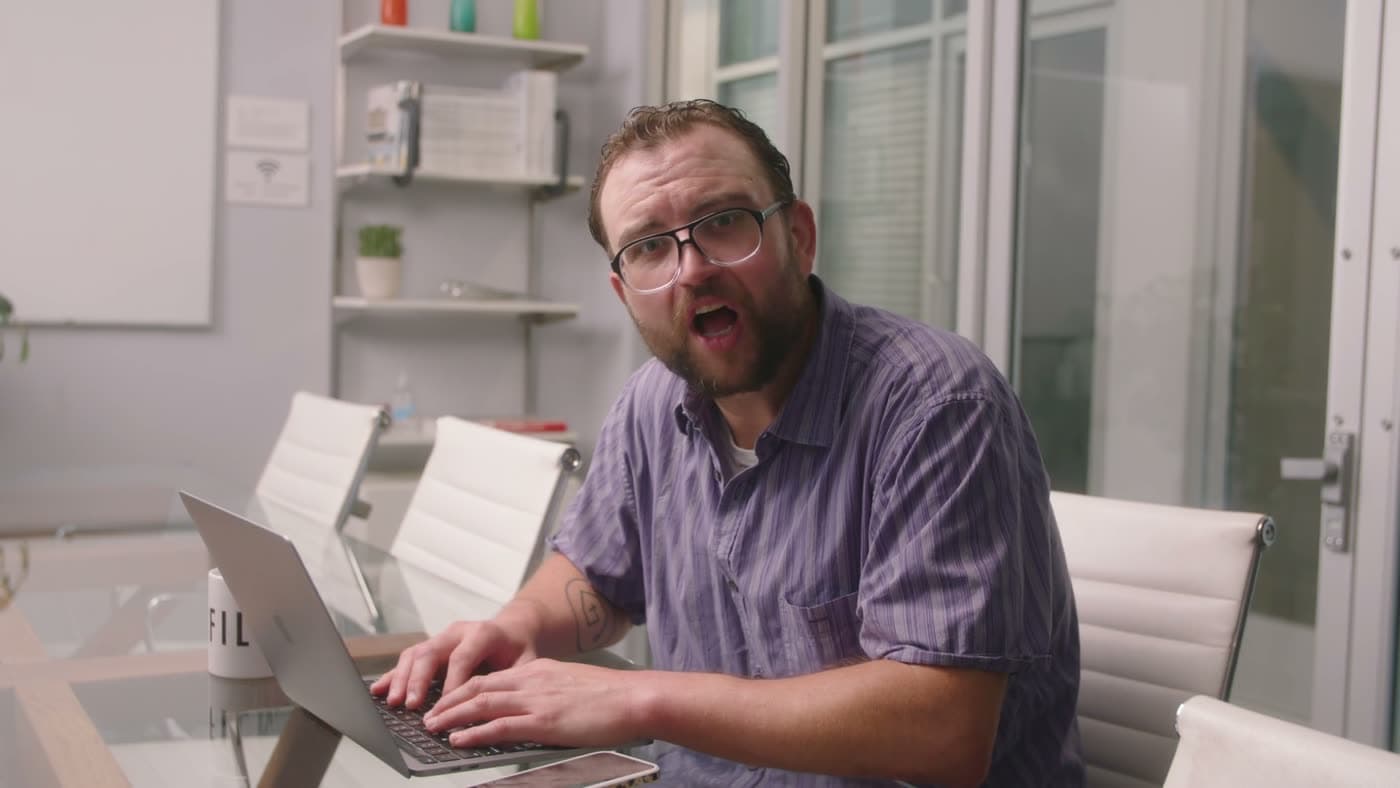
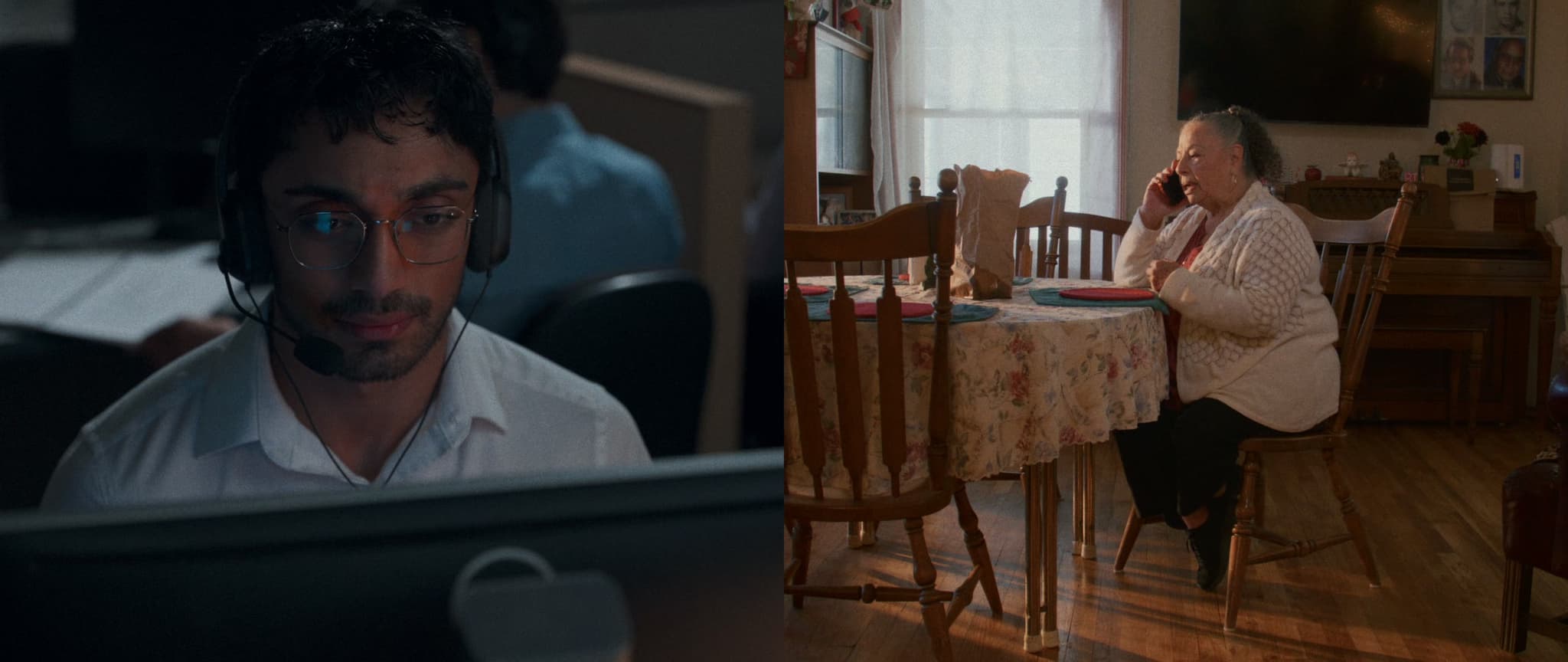
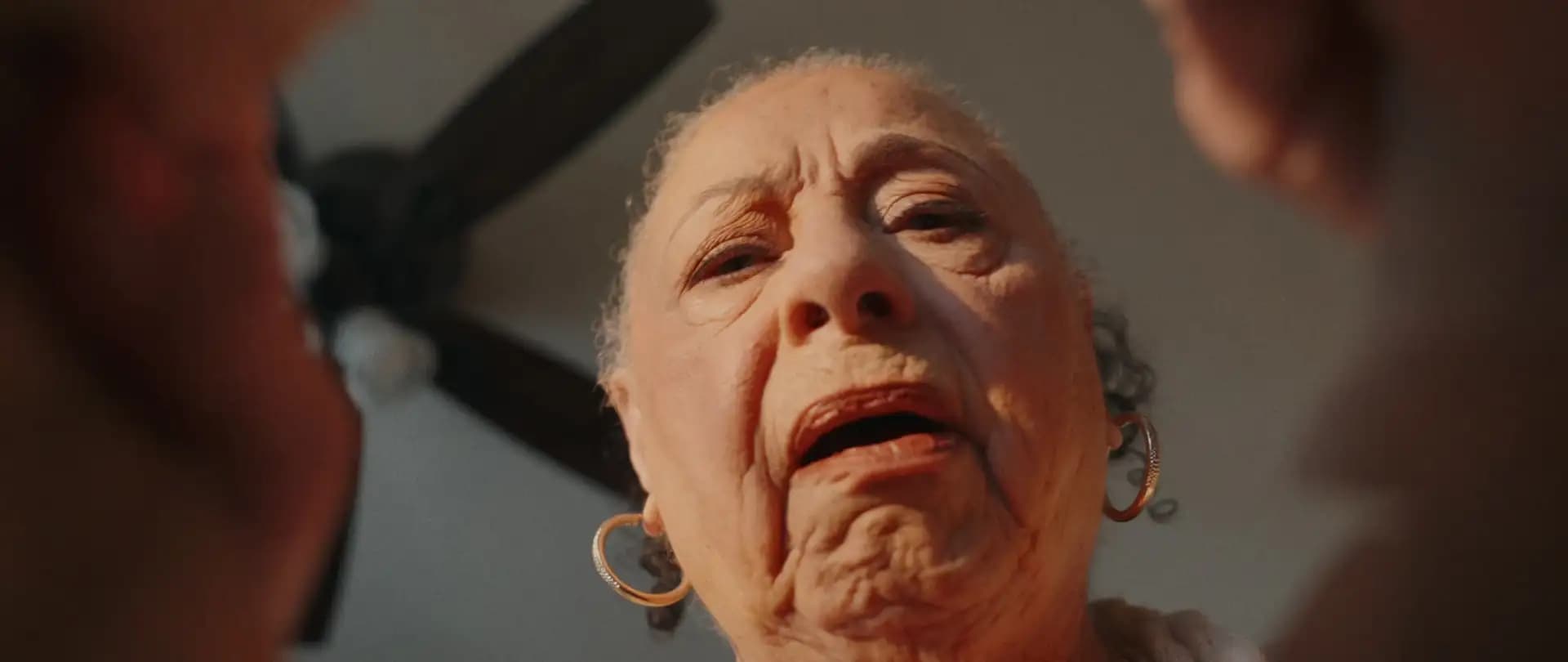
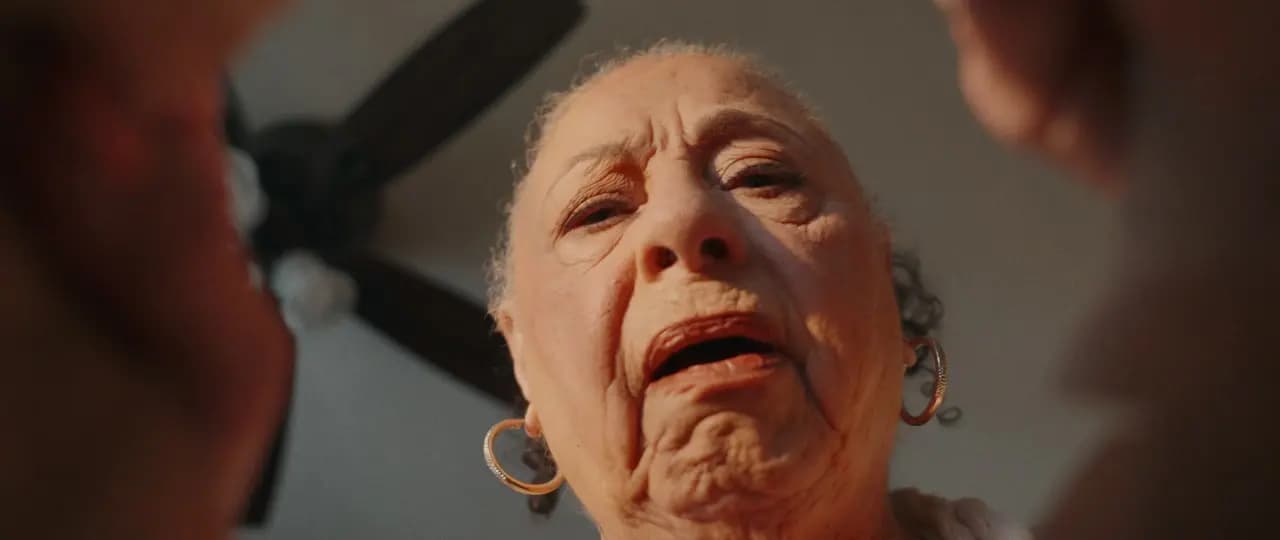
The Call — Giga AI.Narrative AI commercial
Giga AI narrative commercialCompose AI product launchEightfold 30-second spotTalentSky paid creativeLive action + product motion

Quick answer

What should an AI company video actually show?

An AI company video should make the user problem and product value understandable before it explains the model. The right format may be a narrative commercial, product launch film, live demonstration, founder story, or customer proof piece. WERZ chooses the format around the buyer and distribution plan, then scopes the live action, product capture, motion, and cutdowns together.

Published proof

AI stories, four different jobs.

4
Named AI and AI-assisted platforms in the public portfolio
:15–:45
Published campaign cutdowns across short-form formats
Live + UI
Human narrative paired with product context
4 formats
Narrative, launch, brand-spot, and paid-social examples
Updated 5 min read

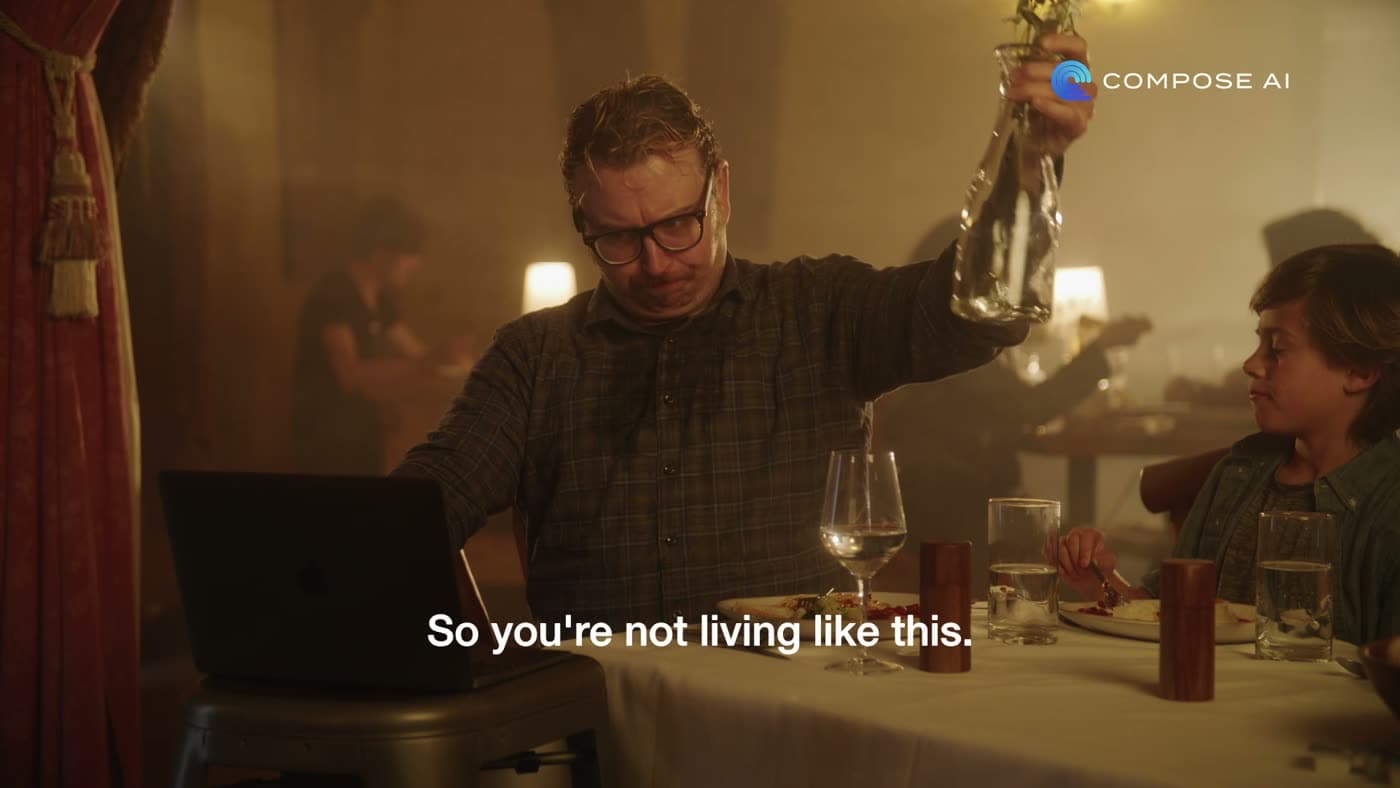
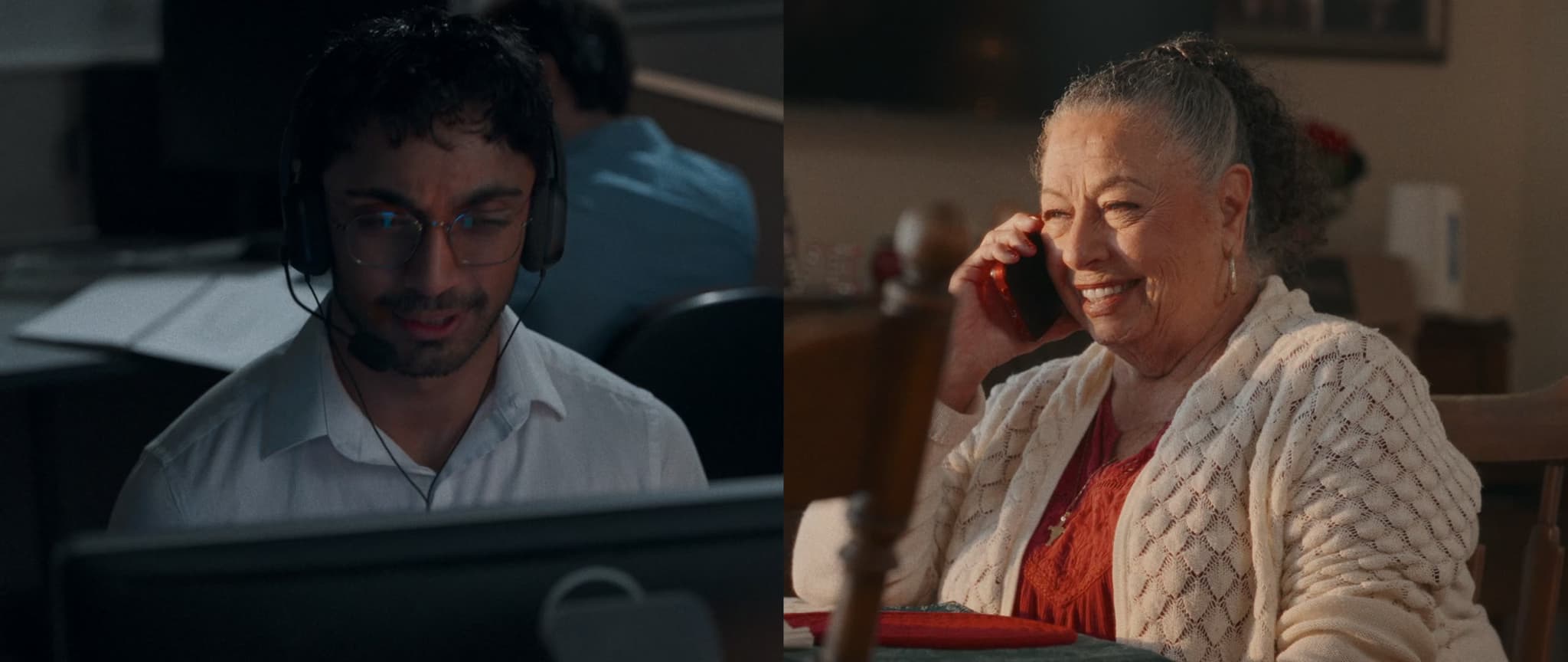
The best AI video is rarely a tour of model features. It starts with the job the product performs for a real person. For Giga AI, that meant a narrative commercial built around a translated phone call. For Compose AI, it meant product-launch creative that made a browser-based writing assistant understandable quickly.

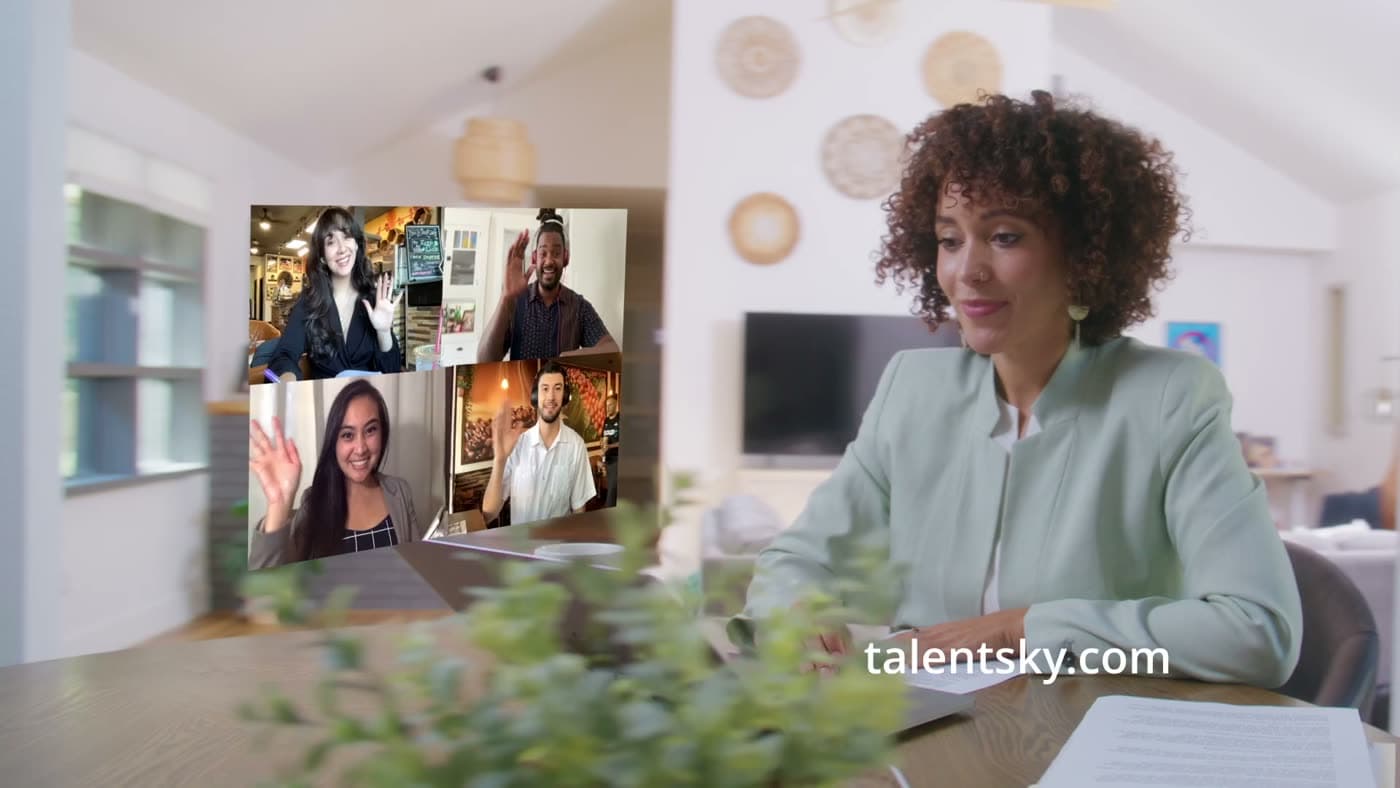
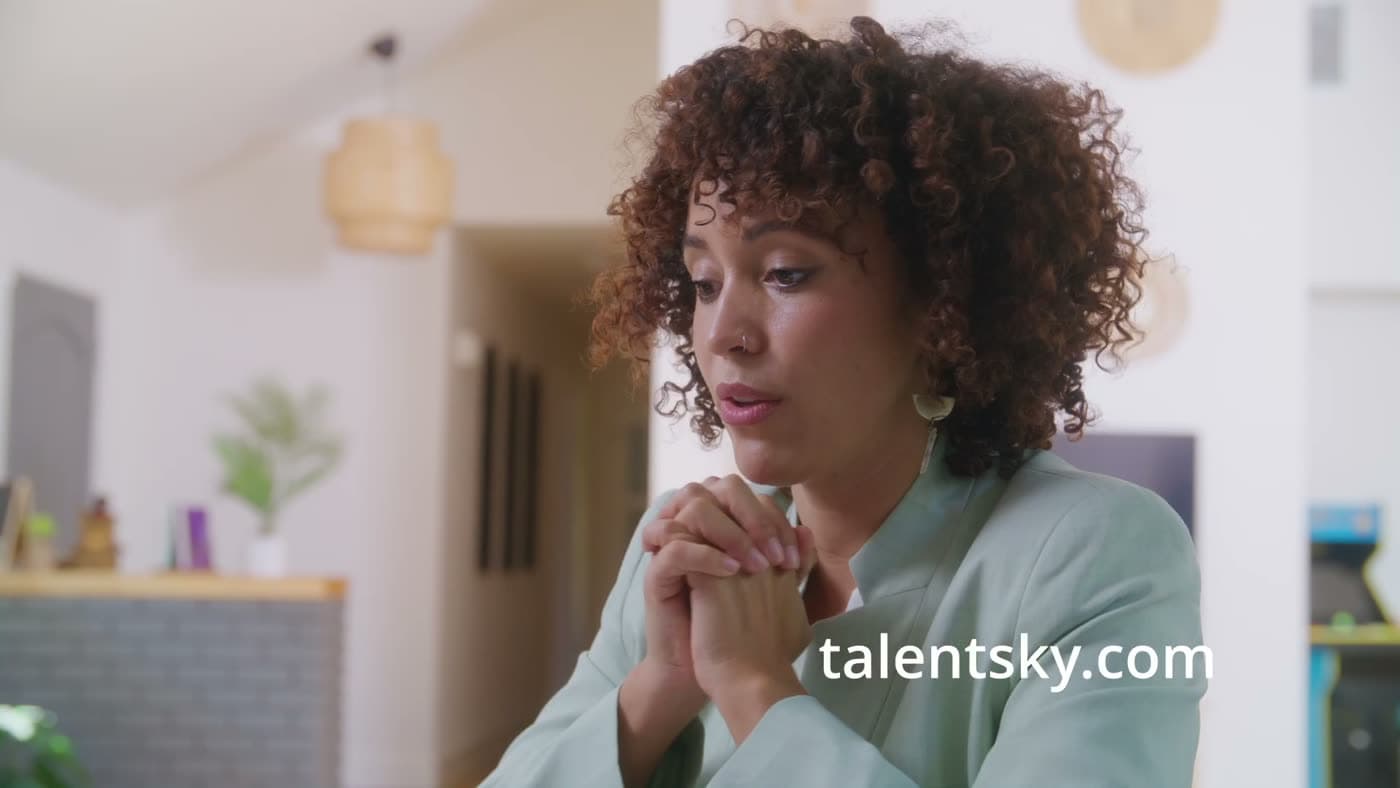
WERZ has also produced published campaign work for Eightfold and TalentSky. These are separate examples with different audiences and formats; they are not presented as evidence of a universal conversion result. The common process is to define the audience, proof, and distribution plan before deciding what belongs on camera.

When the product includes physical systems, field deployment, or hardware, the scope may fit the deep-tech or robotics production workflow instead. Software-first launches usually combine live action, product capture, motion design, and modular edits for the website, sales team, paid media, and investor updates.

Formats

AI video for the whole launch.

Narrative commercials
i.

Narrative commercials

Human stories that demonstrate why the product matters without turning the film into a feature tour. Best when trust, emotion, or a high-stakes use case is central to the sale.

Product launch films
ii.

Product launch films

A concise product story built for launch day, the homepage, founder posts, investor updates, and sales follow-up. Live action and interface capture are scoped as one system.

Paid-social cutdowns
iii.

Paid-social cutdowns

Short-form versions planned before production: strong first frames, clear product context, captions, and aspect-ratio variants for LinkedIn, YouTube, Meta, and CTV placements.

Product demos
iv.

Product demos

Screen capture, UI animation, voiceover, and live context organized around one workflow the buyer needs to understand—not a tour of every available feature.

AI company founder and investor video production
v.

Founder and investor stories

Founder-led narrative for fundraising, category education, and recruiting. Technical claims and future-looking statements remain subject to client review and approval.

AI customer story video production
vi.

Customer proof

Customer stories built around a specific operating problem, approved evidence, and the implementation context a buyer needs before the next meeting.

Selected work

Four products, four creative approaches.

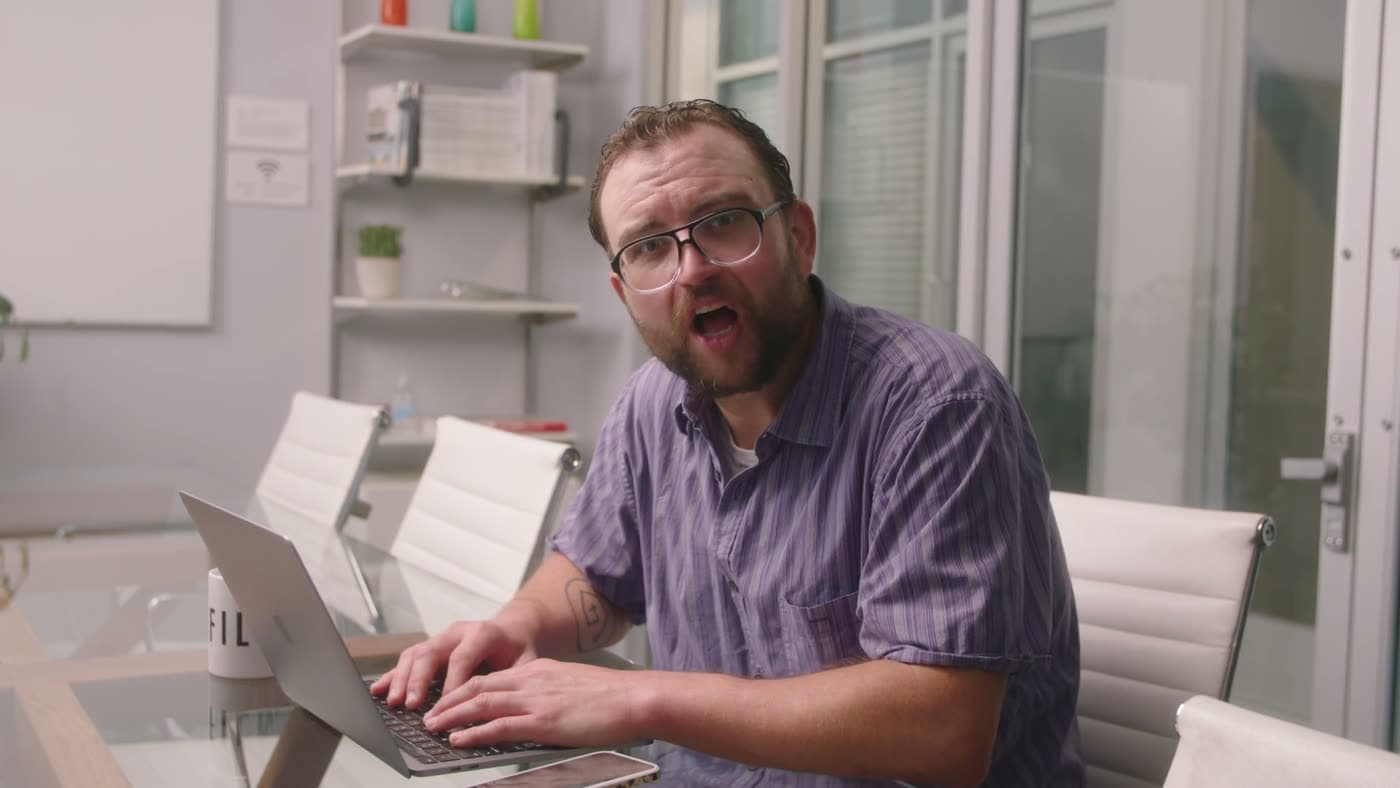
Giga AI — The Call
Giga AI — The CallNarrative commercial
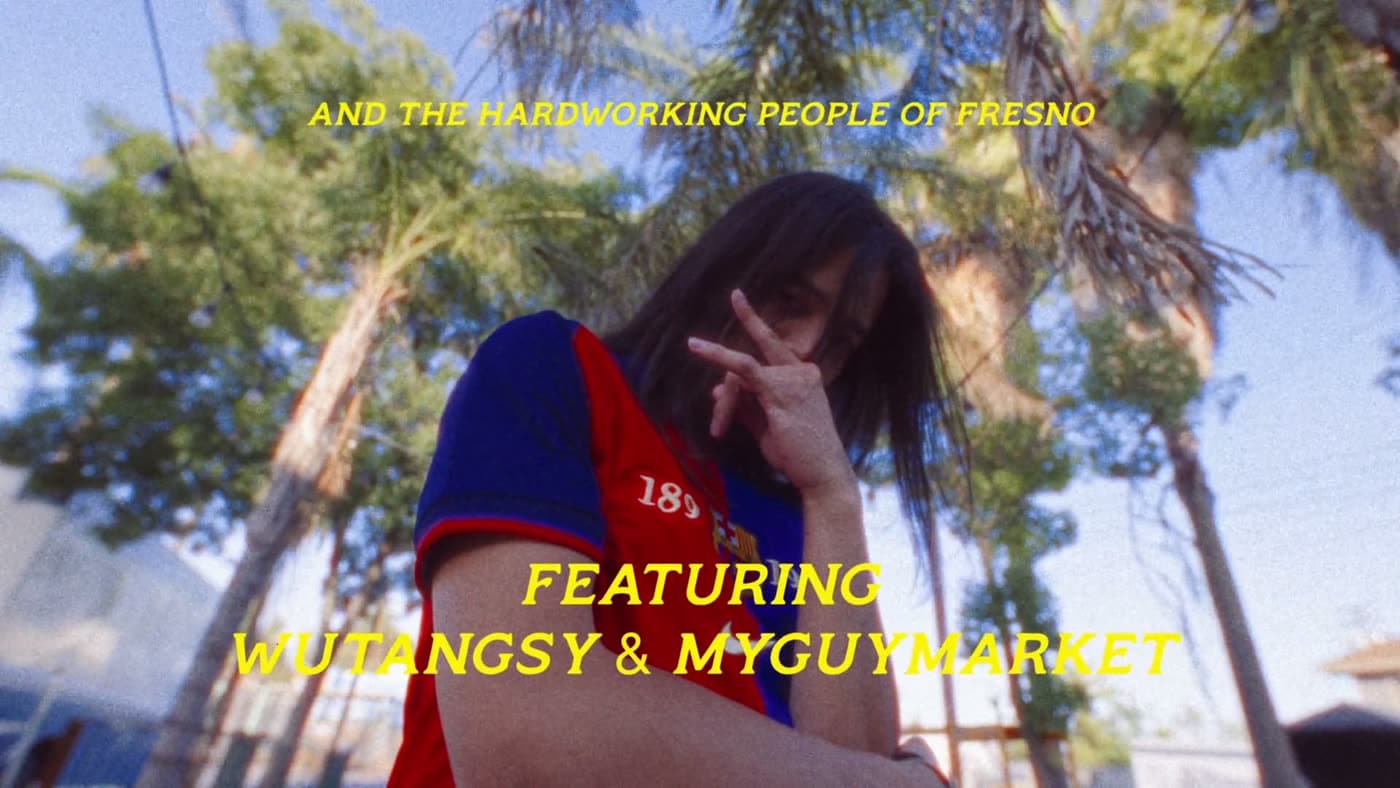
Compose AI — Product Launch
Compose AI — Product LaunchLaunch film
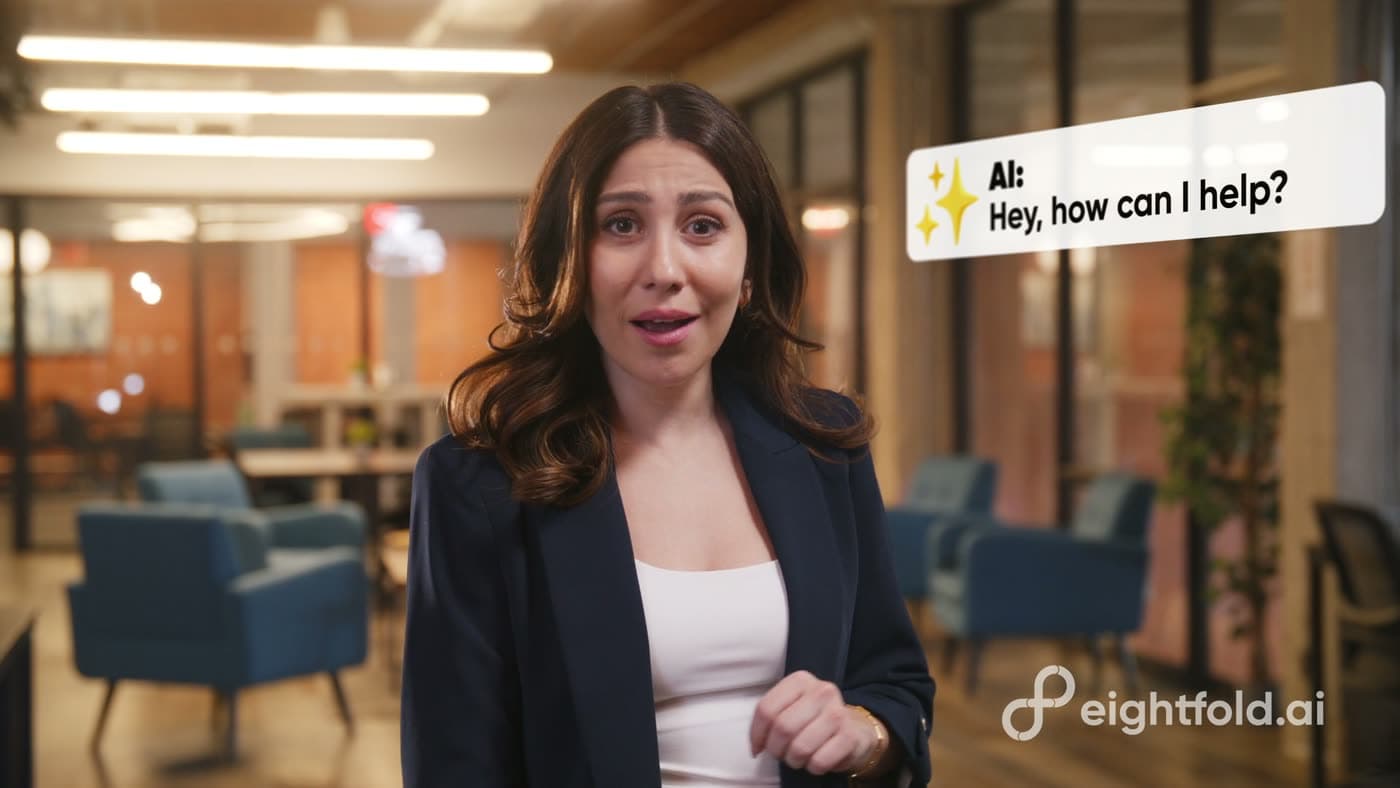
Eightfold — Brand Spot
Eightfold — Brand Spot30-second campaign
TalentSky — Video Ad
TalentSky — Video Ad15-second campaign
By far the best experience I've had filming video.
Michael Shuffet
Founder & CEO, Compose AI
Every single person I've shown it to says, 'I understand what it is.' That's a successful video.
Rick Devine
Founder & CEO, TalentSky

Process

From technical brief to buyer clarity.

  1. 01

    Define the buyer moment

    Choose the audience, the problem they recognize, and the one product behavior the film must make clear. This becomes the decision filter for every scene and line.

  2. 02

    Select the proof

    Map what can be shown in product, live action, customer context, interface capture, or approved motion. The client confirms product claims, permissions, and release requirements.

  3. 03

    Plan the asset system

    Scope the hero film, short cuts, vertical versions, silent homepage loop, still frames, and sales edits before the shoot so launch channels do not compete for leftovers.

  4. 04

    Produce and review

    Film, edit, animate, caption, and version the campaign. Product and technical review happen against the approved brief before final delivery.

Use cases

The moments AI teams need to explain well.

Product launch

Homepage hero, launch post, press outreach, demo-day playback, and paid cutdowns built around the same product story.

Category education

Explain a new workflow or market category without relying on generic AI imagery or unsupported future-state claims.

Enterprise sales

Give buyers, champions, and procurement stakeholders a concise piece they can share internally after the meeting.

Fundraising

Founder context, product behavior, and real-world relevance packaged for investor meetings and updates.

Recruiting

Show the mission, technical challenge, and people behind the product to candidates who have multiple credible options.

FAQ

Common questions.

What kind of video should an AI startup make first?

Start with the buying or launch moment, not a format. If prospects do not understand the use case, make a concise product story or explainer. If they understand the category but do not trust the outcome, make customer proof. If launch attention is the constraint, make a hero film with pre-planned short cutdowns. WERZ scopes the smallest asset system that supports the stated goal.

Can WERZ combine live action with product UI and motion graphics?

Yes. AI product stories often need all three. WERZ can plan live-action production, approved interface capture, screen replacement, typography, motion design, voiceover, sound, and channel-specific versions as one production scope.

How does WERZ review technical AI claims?

The client remains responsible for product, performance, privacy, security, regulatory, and forward-looking claims. WERZ organizes the script and review workflow around client-approved language and does not independently validate the underlying model or product claims.

Does WERZ work with early-stage AI companies?

Yes, when the scope and budget align. An early-stage team may need one launch asset and a focused set of cutdowns rather than a large campaign. Later-stage teams may need multiple audiences, customer stories, paid variants, and regional production support.

How does WERZ price video, web, or marketing work?

Pricing is scope-based, not template-based. We define deliverables, audience, locations, crew, and revisions before quoting — so the budget reflects actual production needs rather than a pre-set tier.

Can WERZ work from a fixed budget?

Yes. A fixed budget works best when deliverables, locations, revision rounds, and timeline are clear before production starts. We will tell you what is achievable inside the budget rather than promise more than the scope supports.

Are there ongoing retainers, or only project work?

Both. Most marketing and web programs run as monthly retainers (strategy, content, optimization). Video and brand projects are typically scoped per engagement, with optional content retainers for ongoing assets.

How long does a typical engagement take?

Discovery and strategy run 1–2 weeks; production and build run 3–8 weeks depending on scope; launch and iteration kicks off after delivery. Marketing programs are ongoing with measurable milestones at month one, month three, and month six.

Can you accommodate a tight deadline?

Yes, when the scope and approval lanes are tight. Rush projects work best when the team can lock decisions quickly and accept fewer revision rounds. We will tell you upfront if a deadline is unrealistic for the scope.

What happens after the project ships?

Every engagement includes a 30-day post-launch window for fixes, polish, and analytics review. From there we can move into a retainer for ongoing content, optimization, or campaign management.

Start with the brief

Make the AI product easy to understand.

Tell us the product, the audience, the launch date, and the channels that need assets. We will map the right story, production approach, and deliverable system before quoting.

Have one specific question? Email hello@werz.ai