












Launch videos, for the day that only happens once.

The film your company ships on announcement day — built to carry the press cycle, the investor thread, and the hiring page at the same time. Hardware, robotics, and deep tech, produced end to end in California.

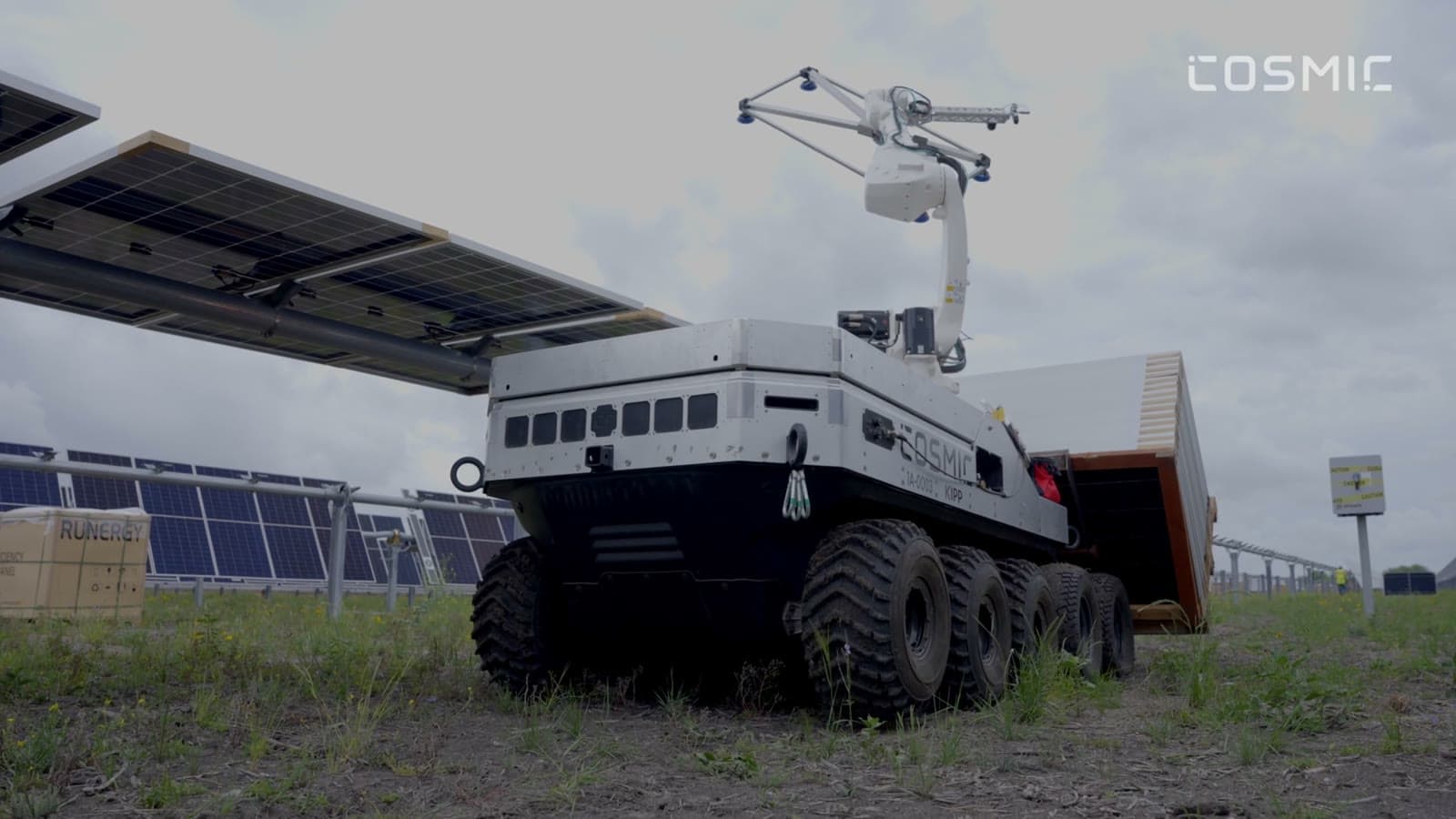
Launch film — Cosmic Robotics, Cosmic-1.01:07 · 4K
Hardware & roboticsEmbargo-safe workflowFAA Part 107California-wideBooking 2026

Quick answer

What is a launch video and what does it cost?

A launch video is the single film a company ships on announcement day — used simultaneously by press, investors, customers, and recruiters. WERZ produces launch films in the $5,000-25,000+ range, typically 4-6 weeks from kickoff to delivery, with the embargo date driving the schedule backward.

The worked example

One launch film, measured.

01:07
Runtime of the Cosmic-1 launch film — one cut, no variants needed on the day
1.7M
Y Combinator followers the film reached when they published the launch
1 shoot
Field days that produced the hero film, the cutdowns, and the stills
Updated 6 min read

A launch video is not a brand film with a deadline. It is the one asset that has to work in four rooms at once: a journalist deciding whether the story is real, an investor forwarding it to a partner, a customer deciding whether the thing actually ships, and an engineer deciding whether to take the call. Most launch films fail because they were scoped for one of those rooms and then asked to serve the other three.

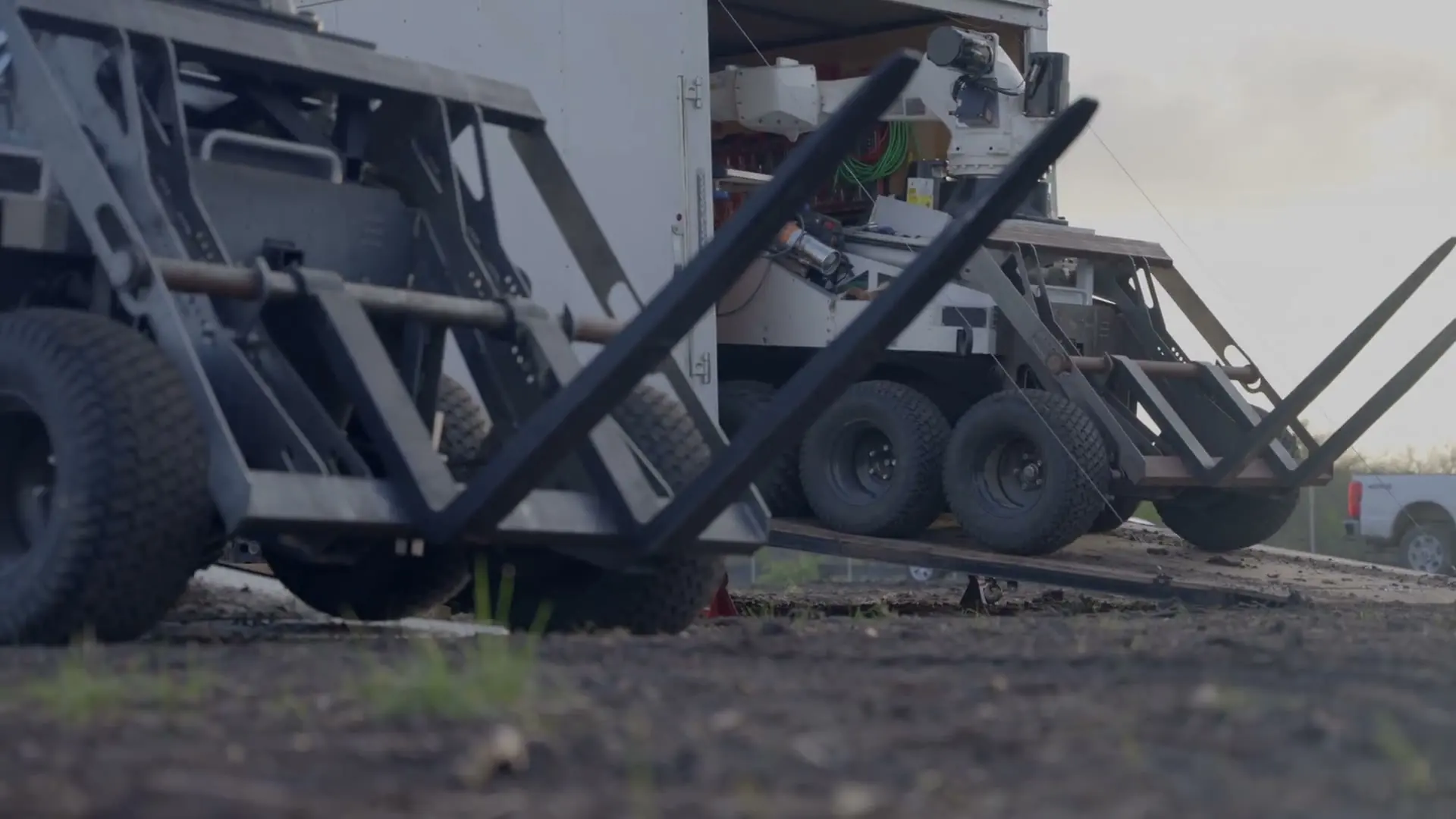
The Cosmic Robotics launch is the version of this we point at. Cosmic-1 is a 10,000 lb autonomous construction robot that lifts 90 lb solar panels and places them to millimeter precision, in 100-degree heat and freezing rain, alongside human crews. The company had a Mars-scale thesis and a machine already doubling installation productivity in the field. Either half alone reads wrong — the ambition sounds like science fiction, the hardware sounds like a forklift. We built one 67-second film that opens in orbit, states the thesis, and then spends the rest of its runtime on a working jobsite with the robot doing the job. Y Combinator published it as the launch announcement.

Launch work is scheduled backward from the embargo, not forward from kickoff. That changes the production: locations get locked earlier, review rounds are compressed and named in advance, and the deliverable list — hero cut, vertical, silent-autoplay social, press-kit stills, deck frames — is agreed before the shoot rather than negotiated after it. We plan the same way for a robotics launch as for climate tech or deep tech.

What we build

Six things a launch film has to do.

State the thesis in 10 seconds
i.

State the thesis in 10 seconds

Press and investors decide early whether the story is worth their attention. The opening has to name the ambition before it earns the right to show hardware. Cosmic-1 opens on Mars for exactly this reason.

Prove the thing works
ii.

Prove the thing works

Real footage of the product doing the job, at real speed, without cutaways covering the difficult part. For hardware, an unbroken shot is the argument — anything cut around reads as something being hidden.

Survive silent autoplay
iii.

Survive silent autoplay

Most launch-day views happen muted in a feed. We cut a version that reads with sound off — legible on-screen type, composition that works at thumbnail scale, and a first frame chosen to stop a scroll.

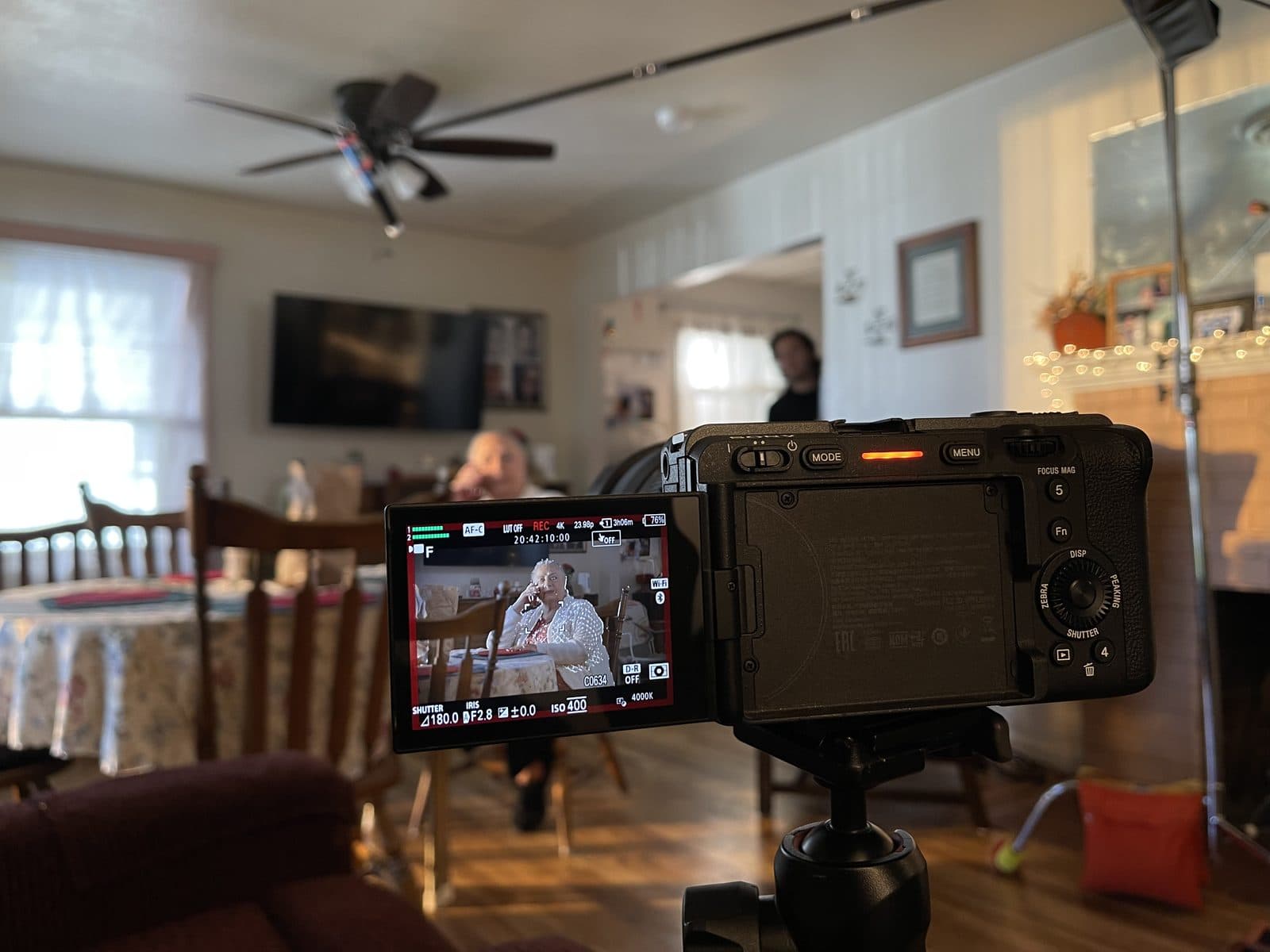
Press-kit still from a launch shoot
iv.

Ship a press kit, not just a file

Journalists need stills, b-roll, and a clean no-text master on deadline. We deliver those alongside the hero cut so the embargo drop is one link, not a week of follow-up requests.

Feed the deck and the hiring page
v.

Feed the deck and the hiring page

The same shoot produces the frames the deck needs and the footage the careers page needs. Launch spend gets amortized across fundraising and recruiting instead of being written off after one week.

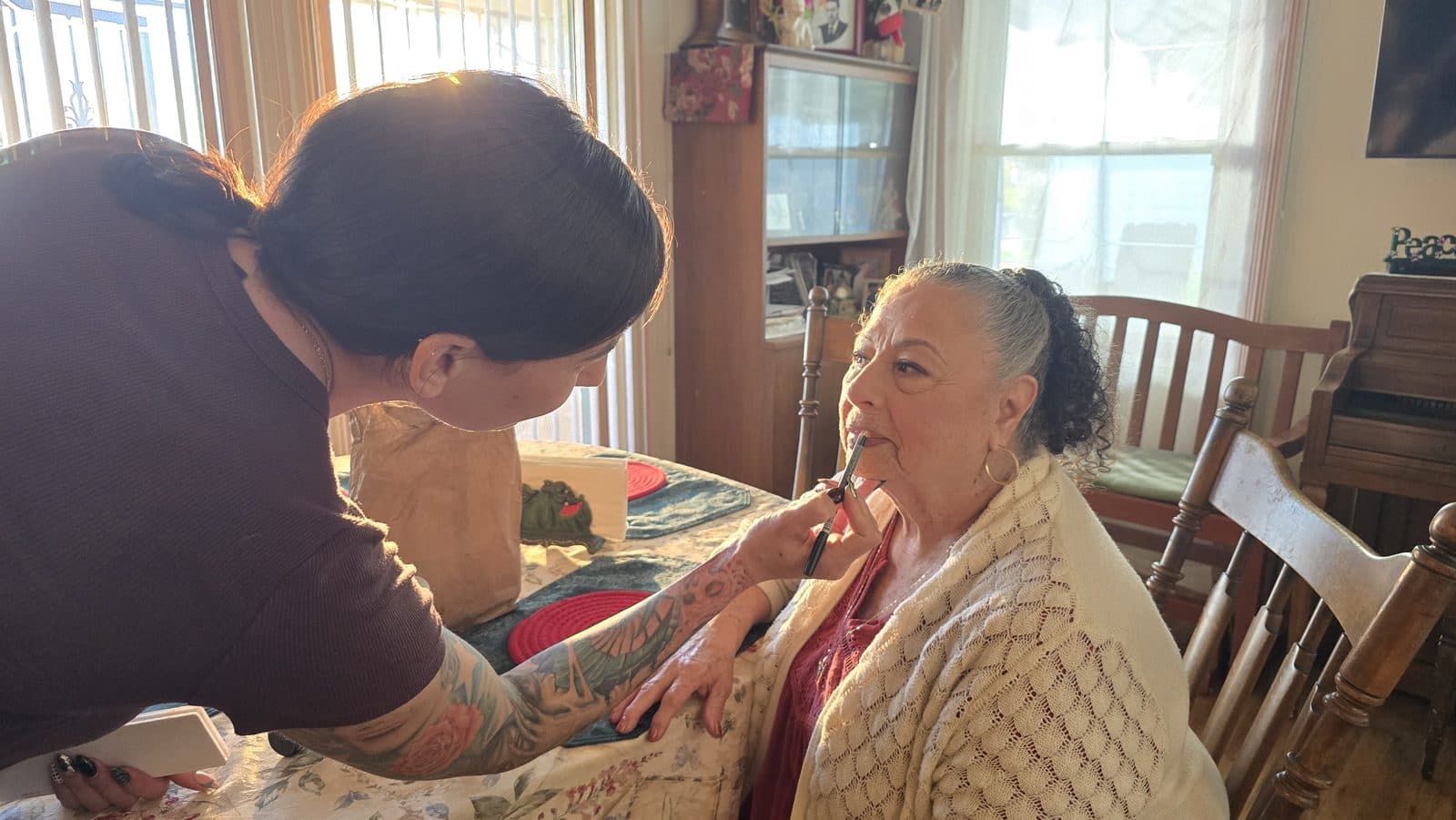
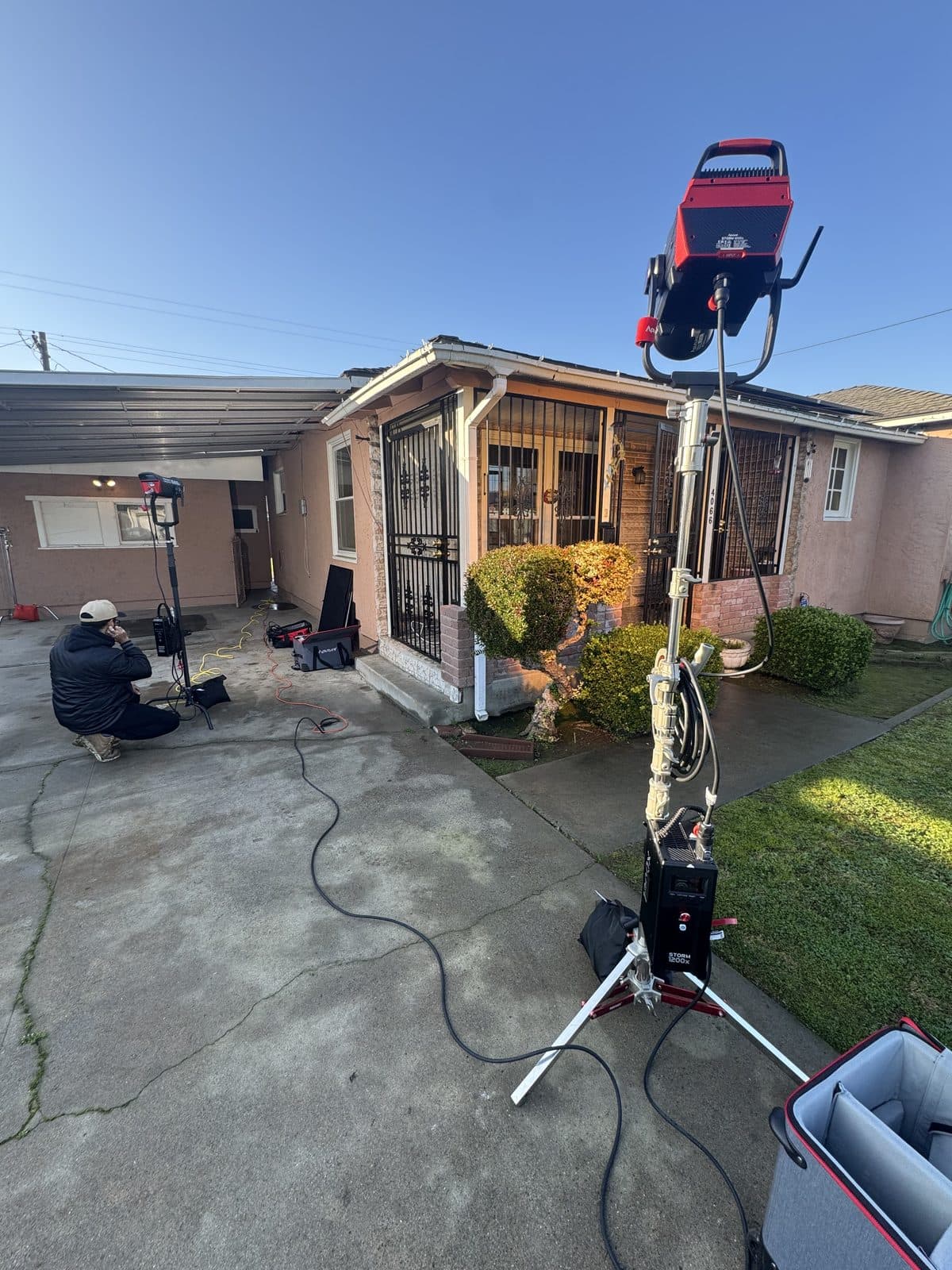
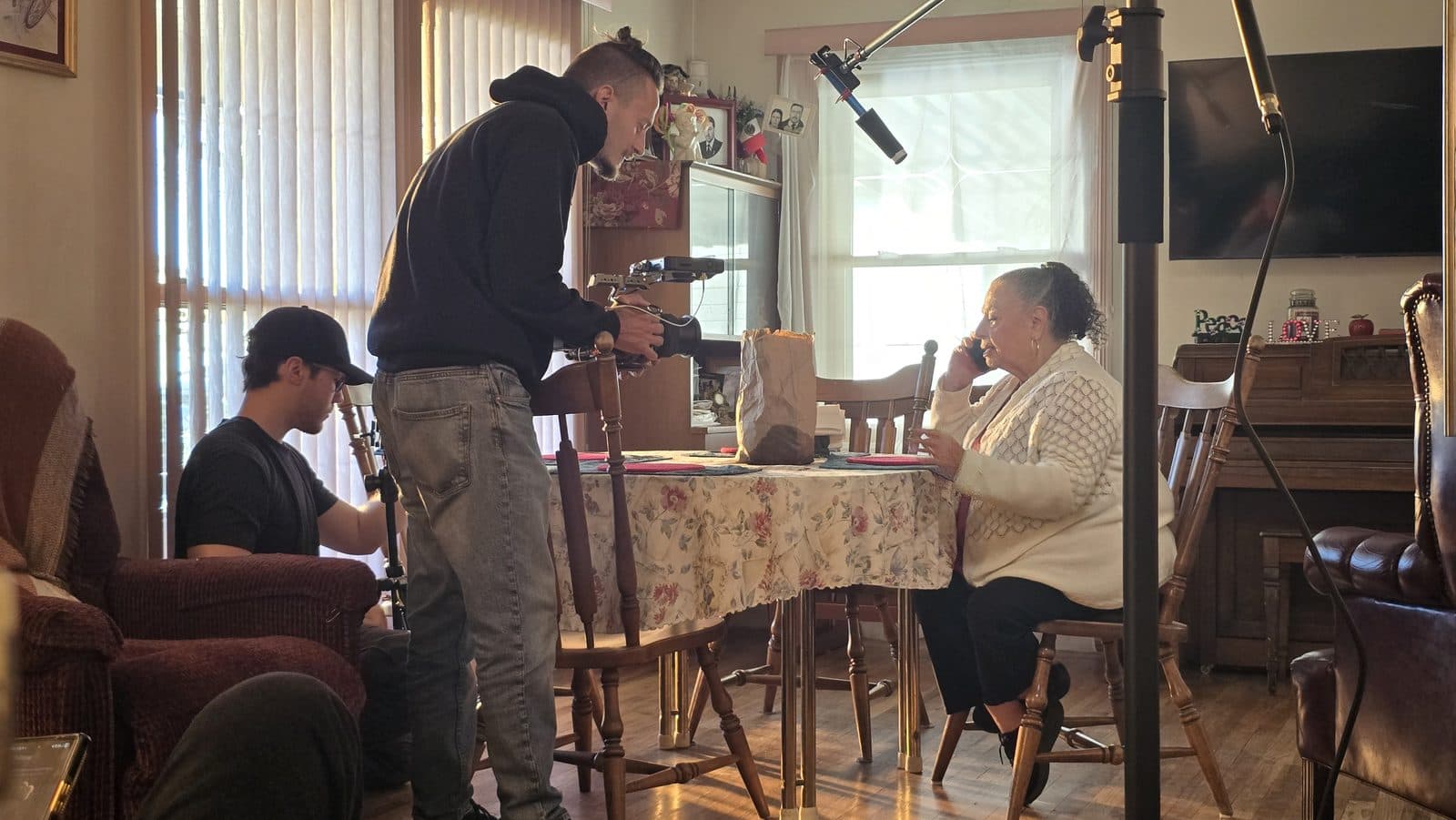
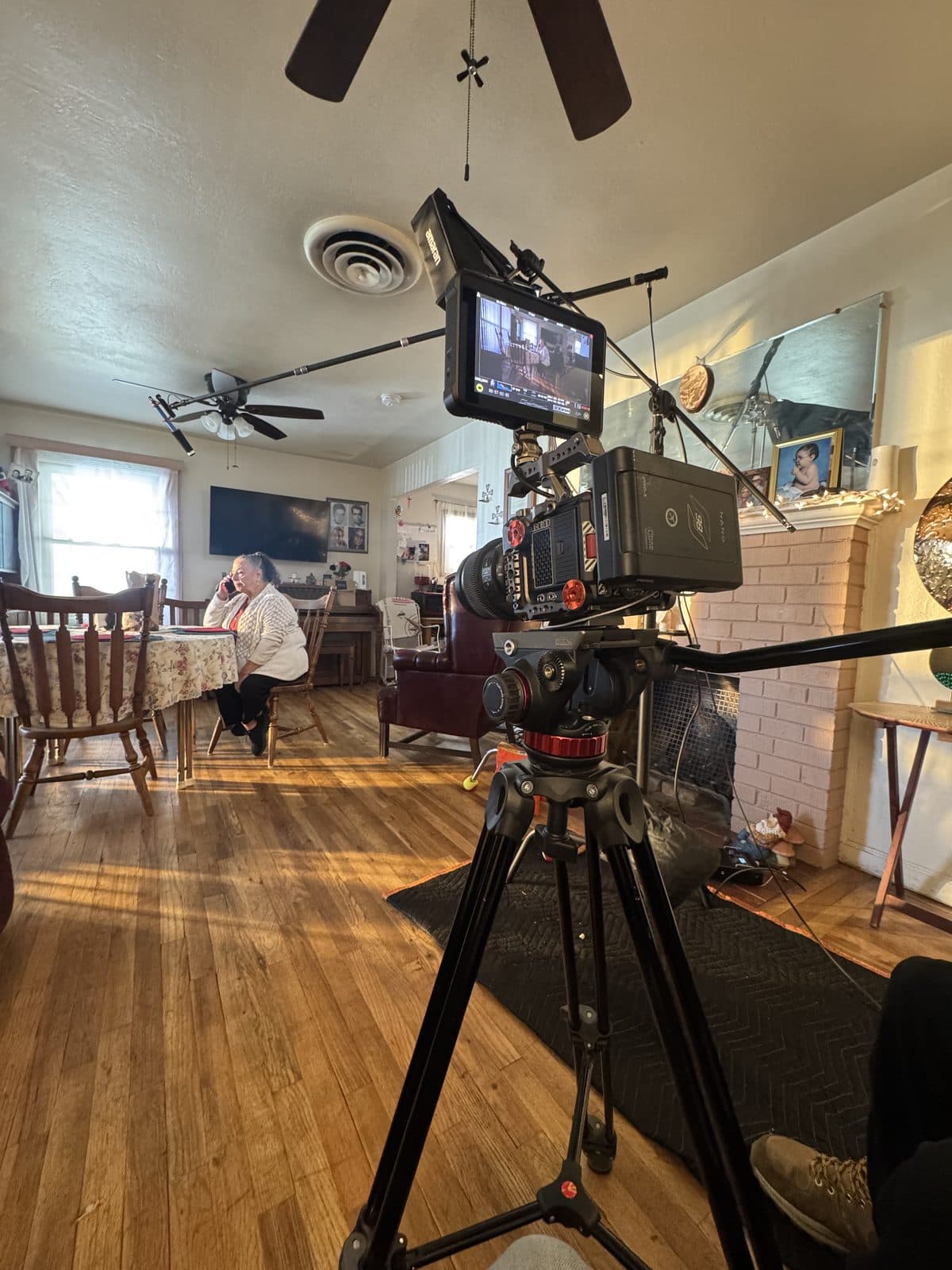
Field production still, robotics launch
vi.

Hold up when it gets shared

A launch film travels further than any other asset you make, and it travels without you. It has to be defensible to an engineer who pauses on a frame and asks whether that shot is real.

Recent work

The launch film, and the field work behind it.

Cosmic Robotics
Cosmic RoboticsLaunch Film · Cosmic-1
Cosmic Robotics
Cosmic RoboticsField Production · Arvin

From the client

What clients say.

From pre-production logistics to on-site shoots, editing, and delivery — he's consistently organized, prepared, and ready to execute. Reliable, talented, and low-drama. A combination that's hard to find and extremely valuable.
James Emerick
Founder & CEO, Cosmic Robotics

Process

How a launch film gets made on a deadline.

  1. 01

    Lock the date, work backward

    The embargo or announcement date is the fixed point. Every other date — shoot, first cut, final delivery, press-kit handoff — is scheduled backward from it with buffer built in, not squeezed at the end.

  2. 02

    Decide what the film has to prove

    One session to name the thesis, the single capability the film must demonstrate, and the four audiences it serves. This is where most launch videos are won or lost, before any camera is booked.

  3. 03

    Shoot the hardware doing the job

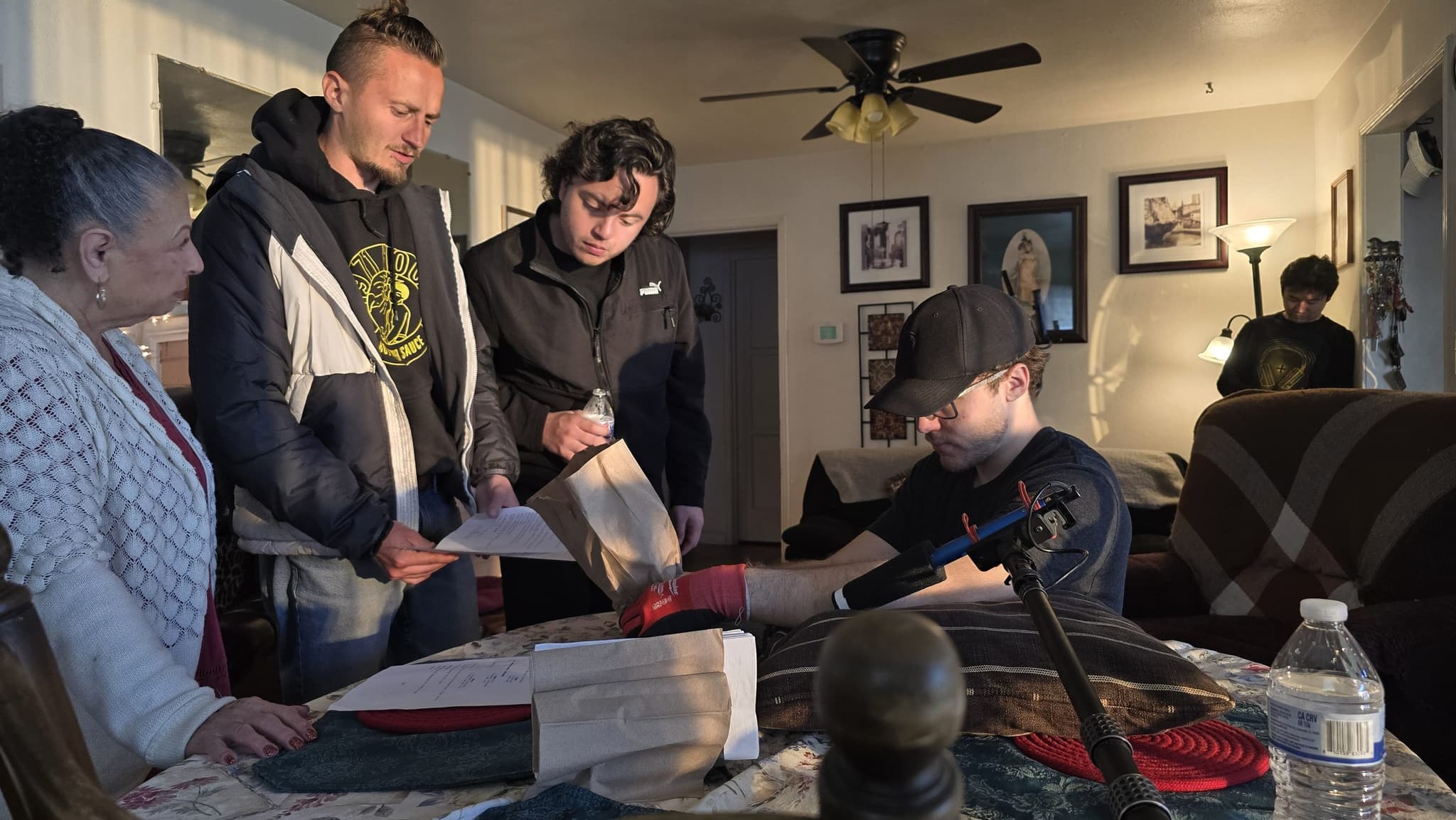
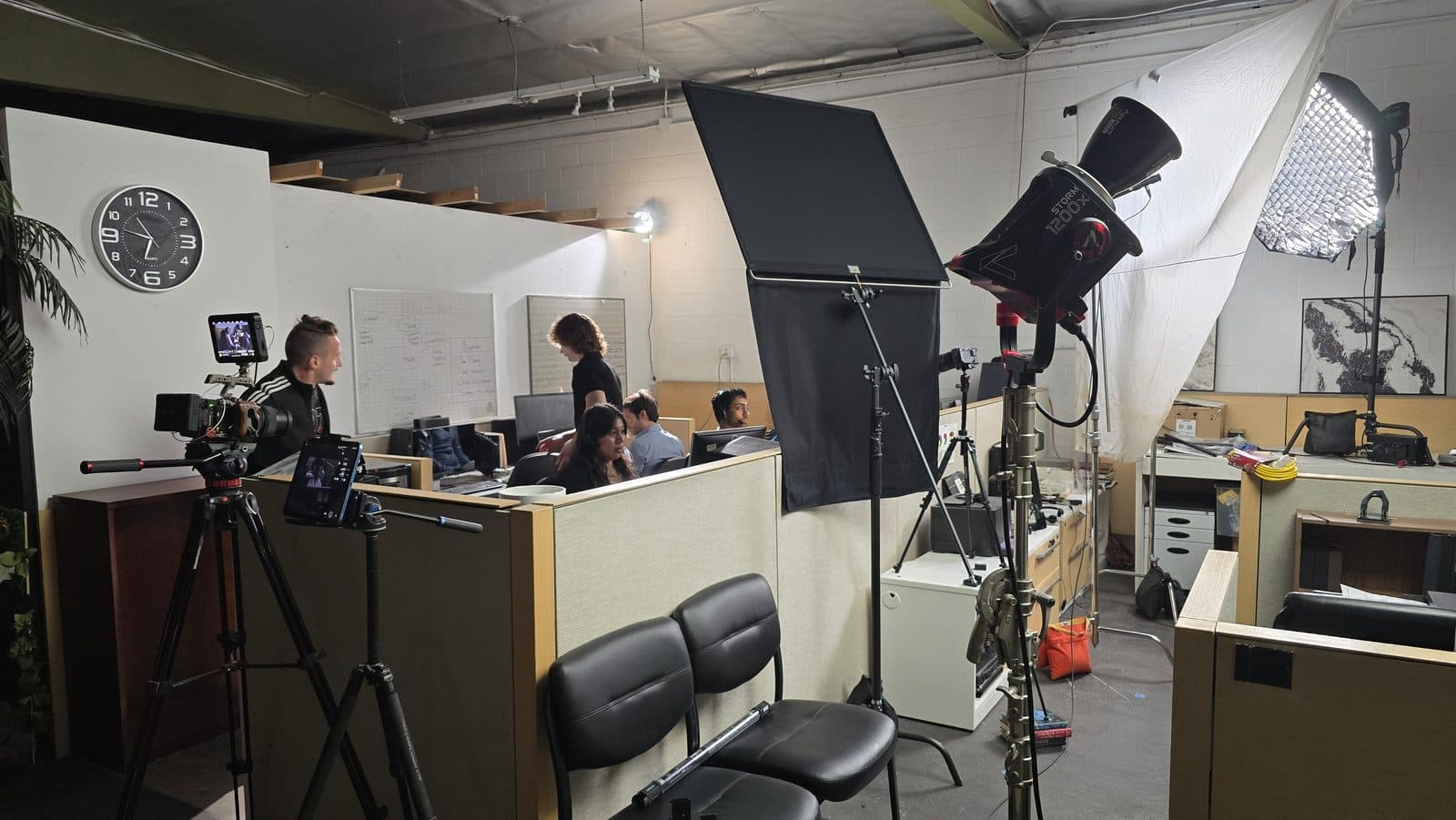
    Field production on the real site, with the real machine, at real speed. Full crew, cinema-grade bodies, and Part 107 aerial where the scale of the site is part of the story.

  4. 04

    Cut, grade, and build the kit

    Hero cut first, then the vertical, the silent-autoplay version, press stills, and a clean no-text master. Named review rounds on named dates so post never becomes the thing that slips.

When companies call us

The four launches we produce most.

Product launch

First hardware or first GA release. The film has to prove the thing exists and works, not describe a roadmap. This is the Cosmic-1 case exactly.

Funding announcement

Seed, Series A, or a raise that comes with a story. The film runs alongside the round announcement and gets forwarded far past the people who were pitched.

Market or category entry

An existing company moving into a new category needs a film that repositions, not one that re-introduces. Different problem, same launch-day constraints.

Demo Day and accelerator launches

Accelerator timelines are unforgiving and the audience is the most sophisticated one you will ever present to. Everything is scoped to the batch calendar.

From the field

More launch and field work.

Cosmic-1 — launch film
Cosmic-1 — launch filmCosmic Robotics
Patterson — exterior
Patterson — exteriorCosmic Robotics
Arvin — install
Arvin — installCosmic Robotics
Patterson — wide
Patterson — wideCosmic Robotics

FAQ

Common questions.

What is a launch video?

A launch video is the film a company publishes on announcement day — for a product, a funding round, or a market entry. Unlike a brand film, it is pinned to a fixed date and has to serve press, investors, customers, and recruiters simultaneously. It is usually 45–90 seconds, with a press kit and social cutdowns delivered alongside it.

How far in advance should we book a launch video?

Six to eight weeks before the announcement date is comfortable; four is workable. Production itself runs about 4-6 weeks, but launch dates do not move, so the buffer matters more than on other projects. If you already have a date, tell us the date first — everything else gets scheduled backward from it.

Can you work under an embargo or NDA?

Yes. We sign NDAs before scoping, keep unreleased footage off public review links, and hold delivery until your announcement window. For hardware launches we also handle on-site restrictions — what can be shown, what stays out of frame, and which shots need approval before they leave the edit.

What do you deliver besides the main film?

A standard launch package is the hero cut, a 9:16 vertical, a silent-autoplay social version, a clean no-text master for press, selected stills from the shoot, and b-roll. Deck frames and a careers-page cut are common additions. The list is agreed before the shoot, not after.

Do you produce launch videos for hardware and robotics companies?

That is most of this work. Hardware launches need crews who can shoot a machine doing a real job on a real site — jobsite safety, weather, aerial permissions, and the patience to wait for the shot that proves the thing works. We hold FAA Part 107 for site-scale aerial and have produced repeatedly in solar, robotics, and climate tech.

What happens if our launch date moves?

Dates slip; it is normal. Because the schedule is built backward from the announcement with named review rounds, a moved date usually shifts delivery rather than breaking the plan. We would rather re-plan once with you than discover the change in the final week.

How long does a typical engagement take?

Discovery and strategy run 1–2 weeks; production and build run 3–8 weeks depending on scope; launch and iteration kicks off after delivery. Marketing programs are ongoing with measurable milestones at month one, month three, and month six.

Can you accommodate a tight deadline?

Yes, when the scope and approval lanes are tight. Rush projects work best when the team can lock decisions quickly and accept fewer revision rounds. We will tell you upfront if a deadline is unrealistic for the scope.

What happens after the project ships?

Every engagement includes a 30-day post-launch window for fixes, polish, and analytics review. From there we can move into a retainer for ongoing content, optimization, or campaign management.

How does WERZ price video, web, or marketing work?

Pricing is scope-based, not template-based. We define deliverables, audience, locations, crew, and revisions before quoting — so the budget reflects actual production needs rather than a pre-set tier.

Get started

Got a date on the calendar?

Tell us the announcement date and what has to be proven by then. We will scope backward from it.

Have one specific question? Email hello@werz.ai