Robotics & autonomy
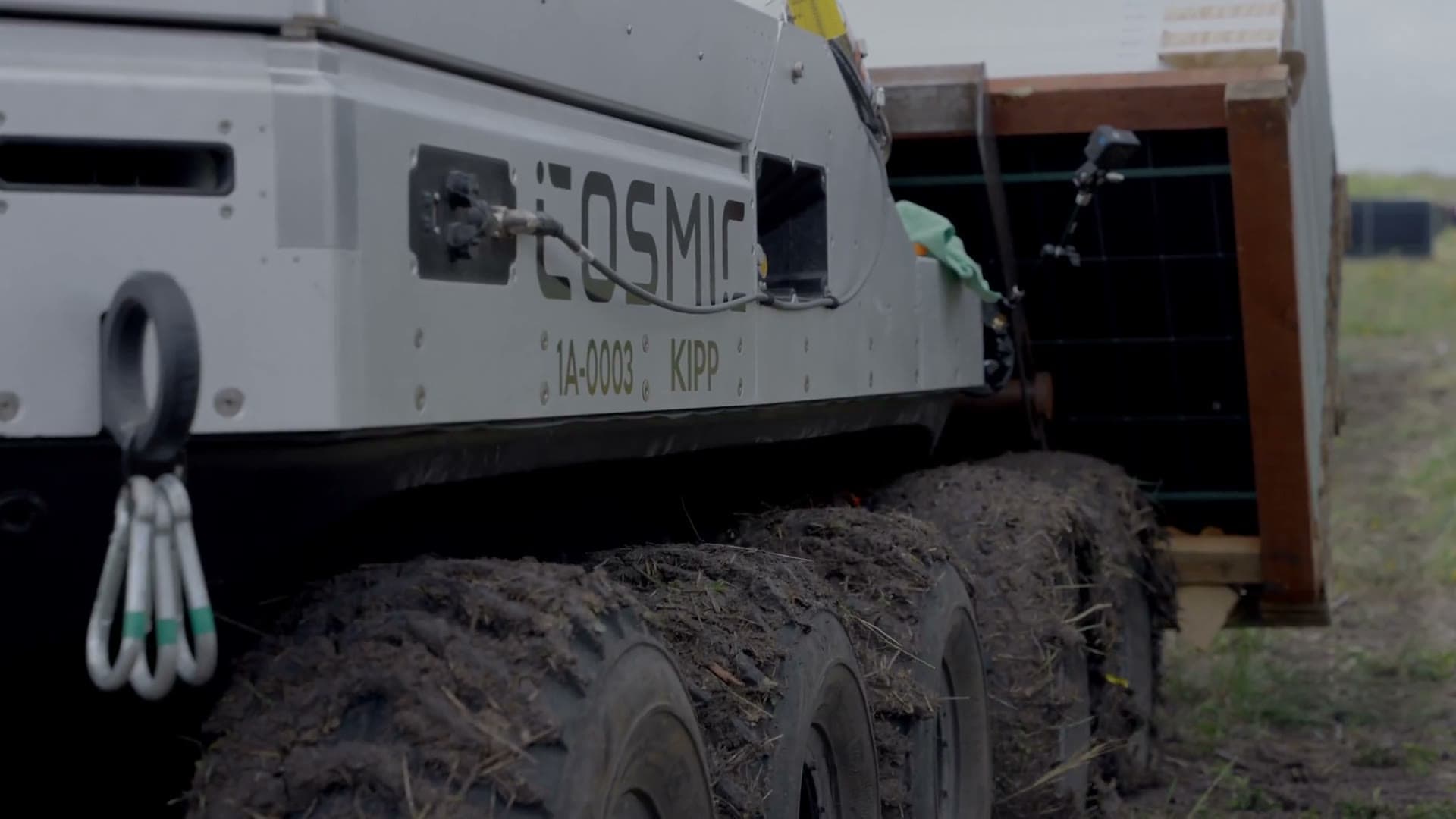
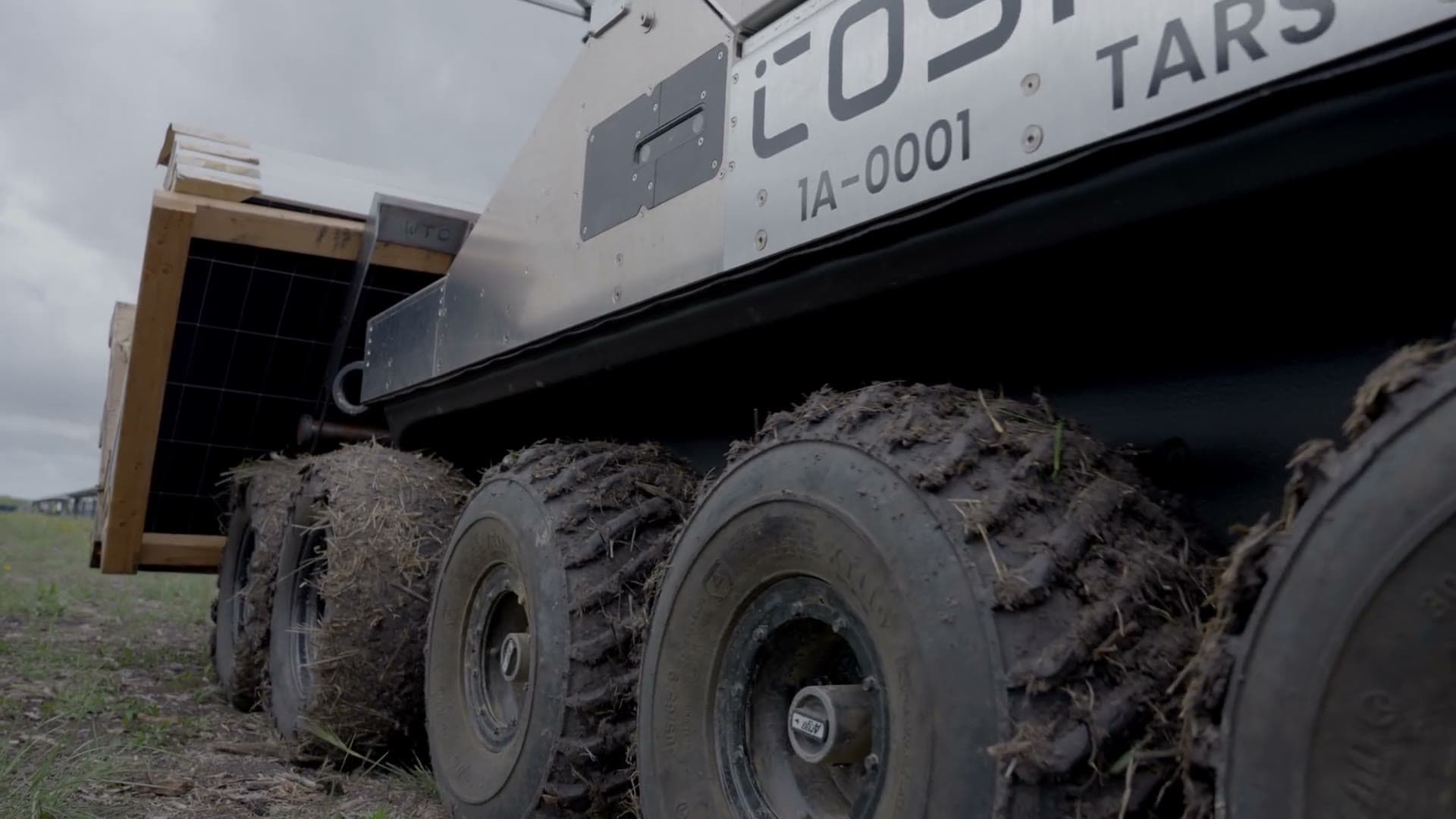
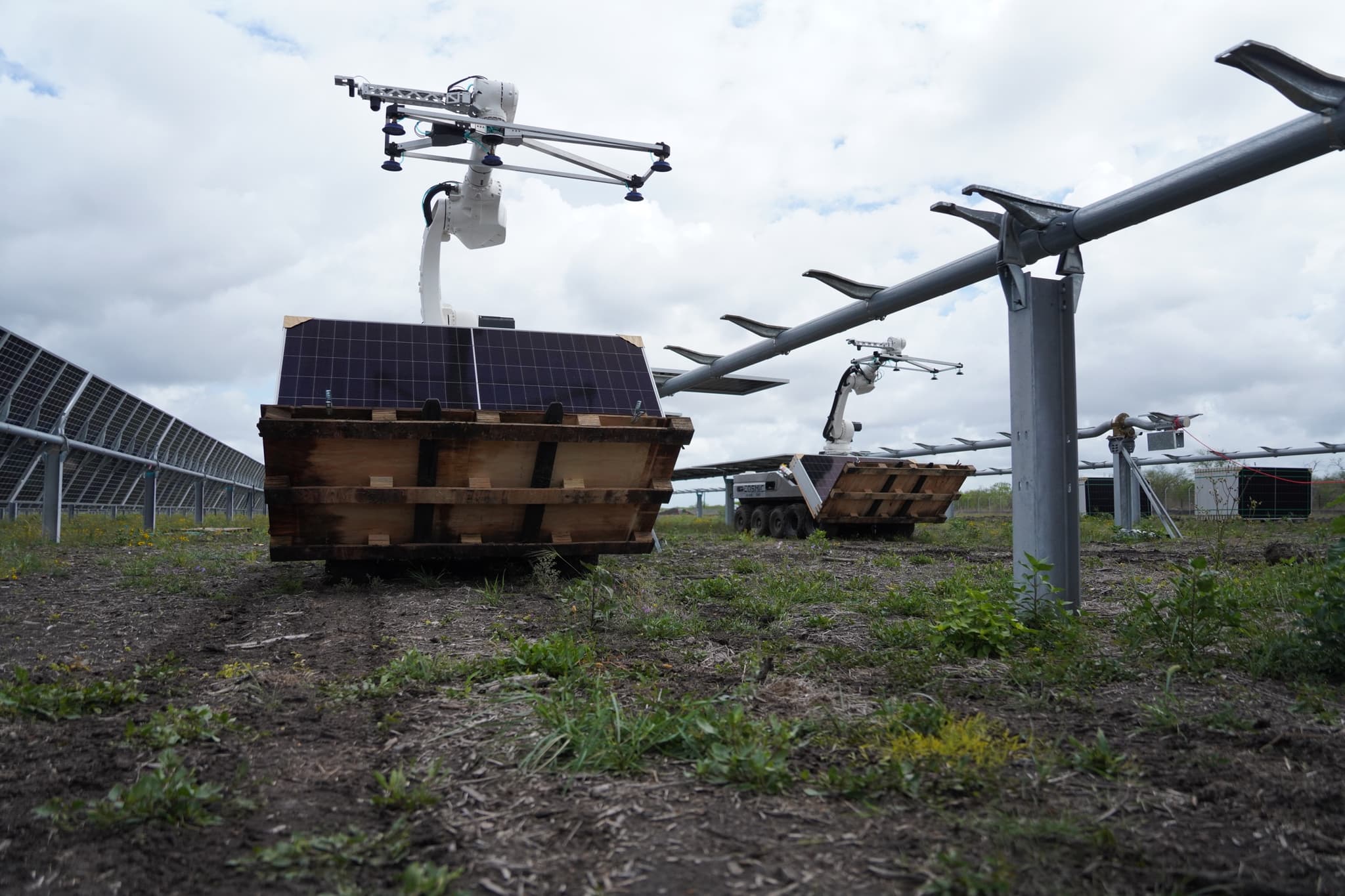
Manipulation arms, mobile platforms, agricultural robots, warehouse autonomy, construction robotics. Factory floors, deployment sites, manipulation demos, founder-led narrative. Built for Cosmic Robotics.
Hard tech is physical. The product lives in factories, labs, fields, fabs, and test stands. Generic agencies make office-stock content; we make the field-grade film, the investor-deck cut, and the founder narrative that hardware buyers and Series B investors actually believe. Built around Cosmic Robotics' robotic solar construction — same approach for robotics, defense, semiconductors, aerospace, and energy founders.
Quick answer
Deep tech films need an accurate explanation of the product, its physical environment, and its buyer. WERZ's public reference is Cosmic Robotics: founder context, field documentation, and FAA Part 107 aerial for robotic solar construction. Other regulated or access-controlled environments are evaluated project by project with the client.
By the numbers
Deep tech — sometimes called hard tech, frontier tech, or tough tech — is its own discipline. The product is physical, the buyers are technical, the timelines are long, and the deck has to convince a Stanford-trained CTO and a Founders Fund partner in the same meeting. Generic brand-film agencies produce spec-style ads with office b-roll and abstract motion graphics. That signals to hardware buyers exactly what the agency does not understand.
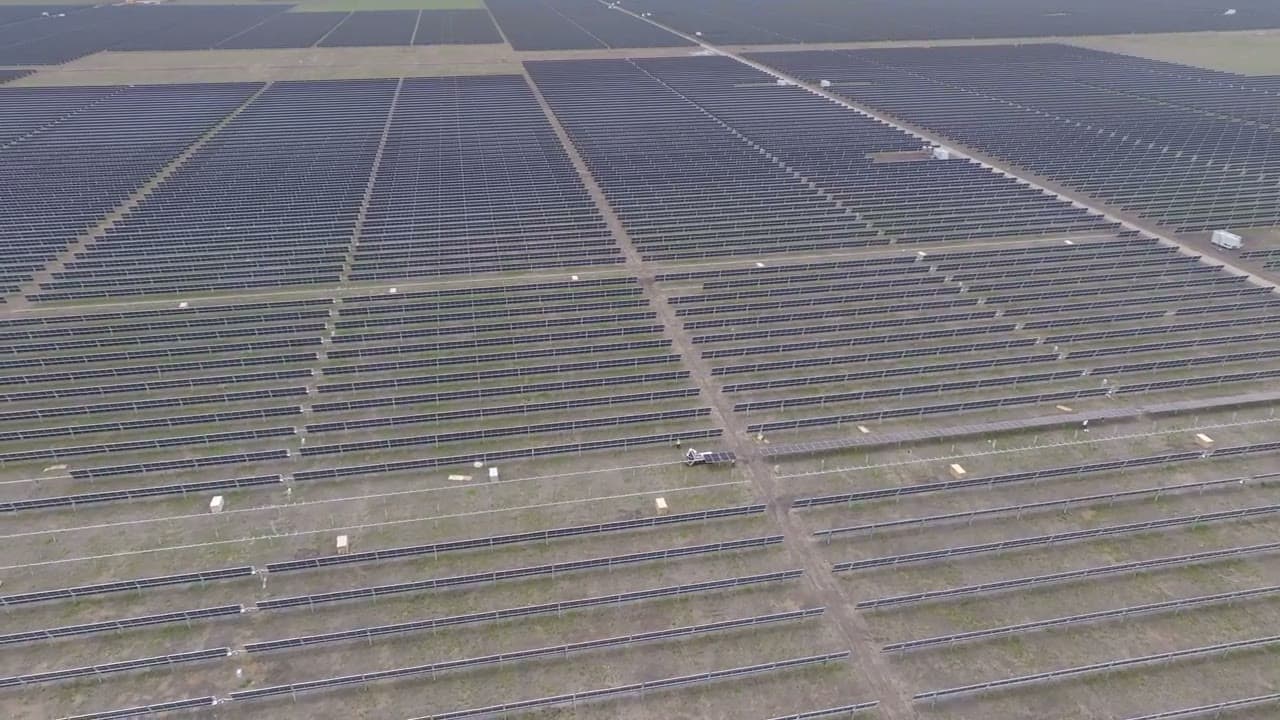
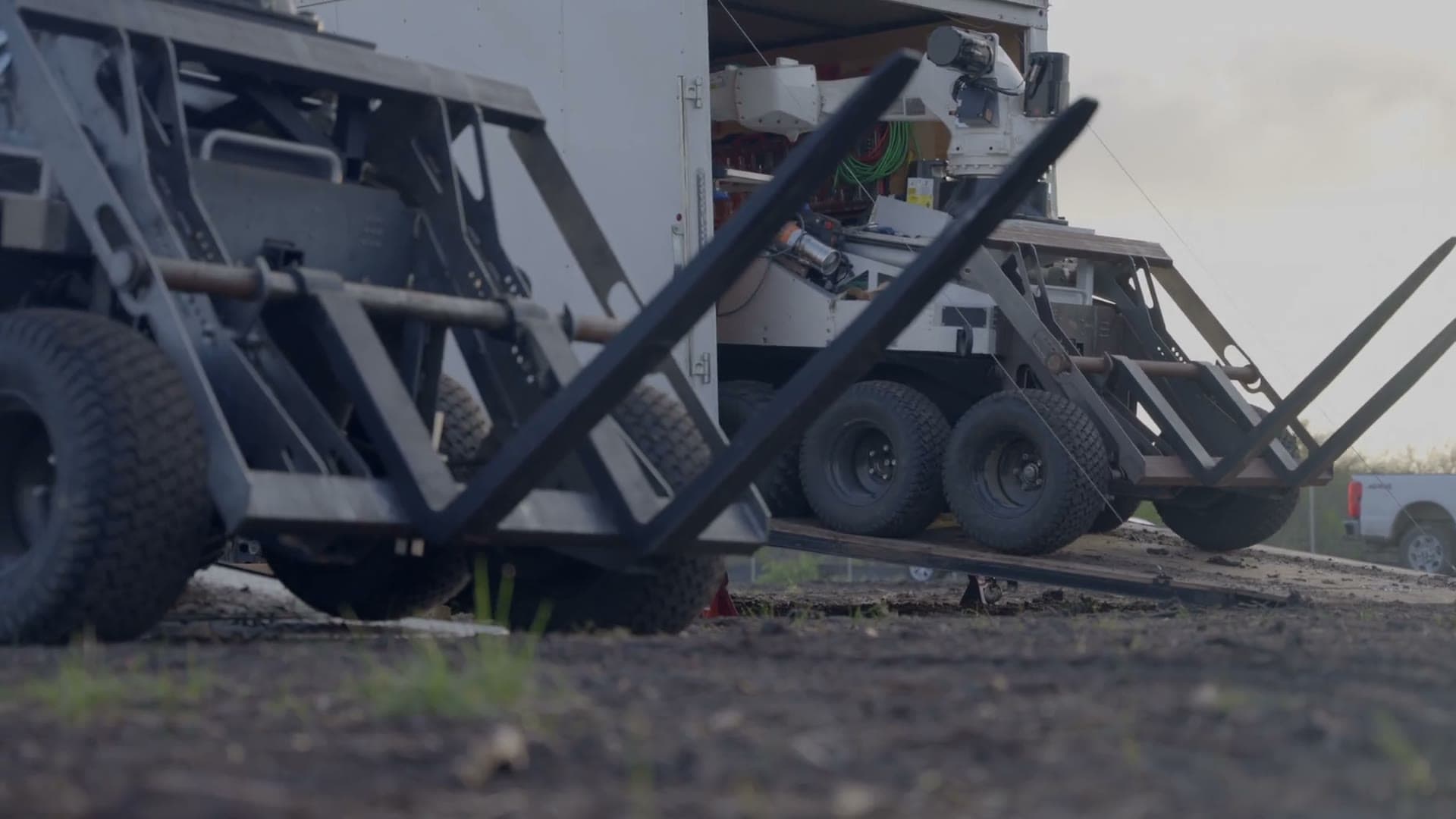
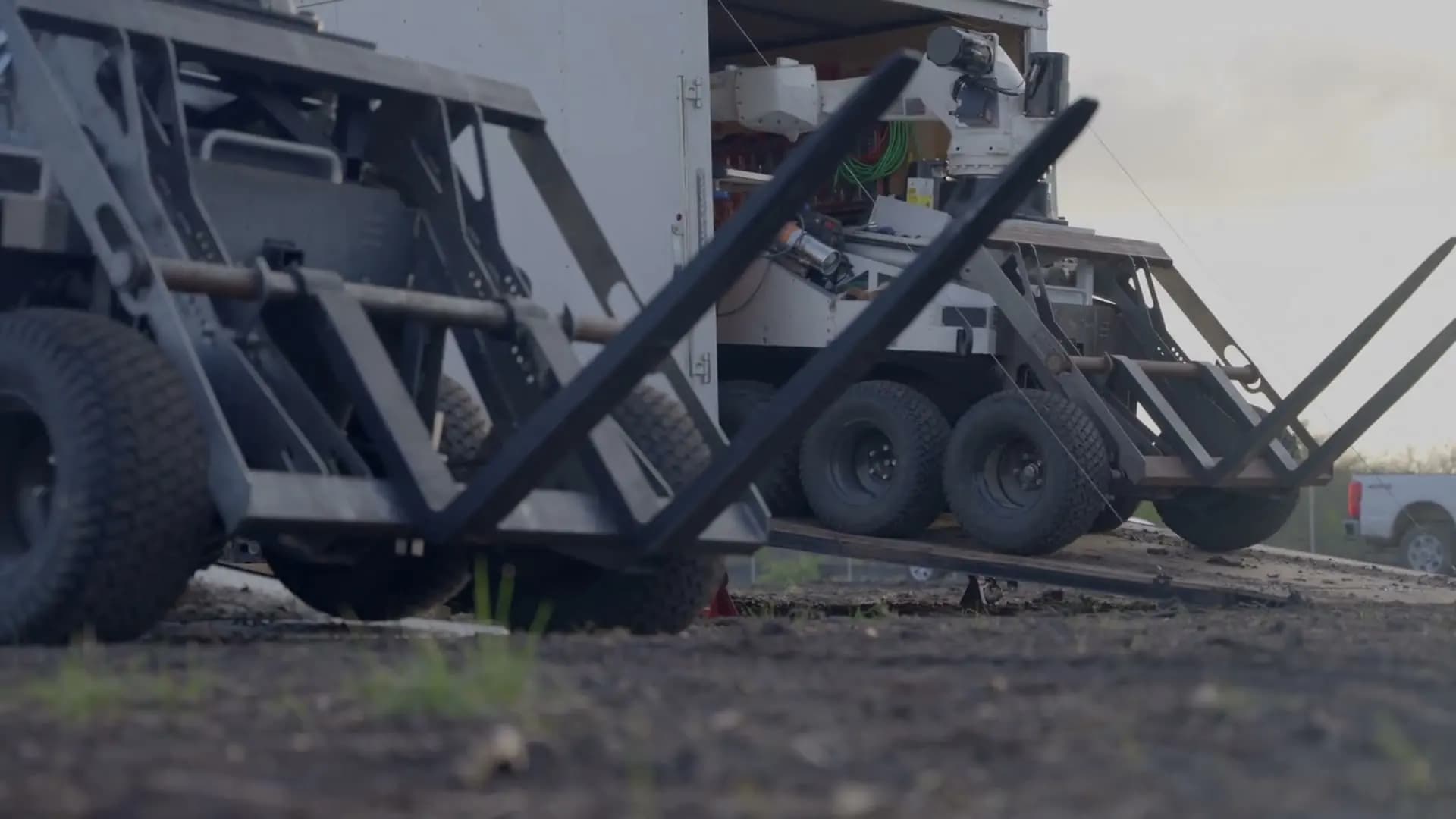
WERZ built this approach around documented work for Cosmic Robotics: factory and deployment footage, founder context, and site-scale aerial across California. That is the public hardware reference shown throughout this page; the other verticals listed here describe the kinds of projects we can scope, not a claim of completed work in each category.
For access-controlled work, the client identifies the disclosure, legal, export-control, safety, and site requirements. WERZ then evaluates the requested crew, capture, storage, review, and delivery process before accepting the scope. WERZ does not determine a project's export-control or regulatory status.
Sub-verticals

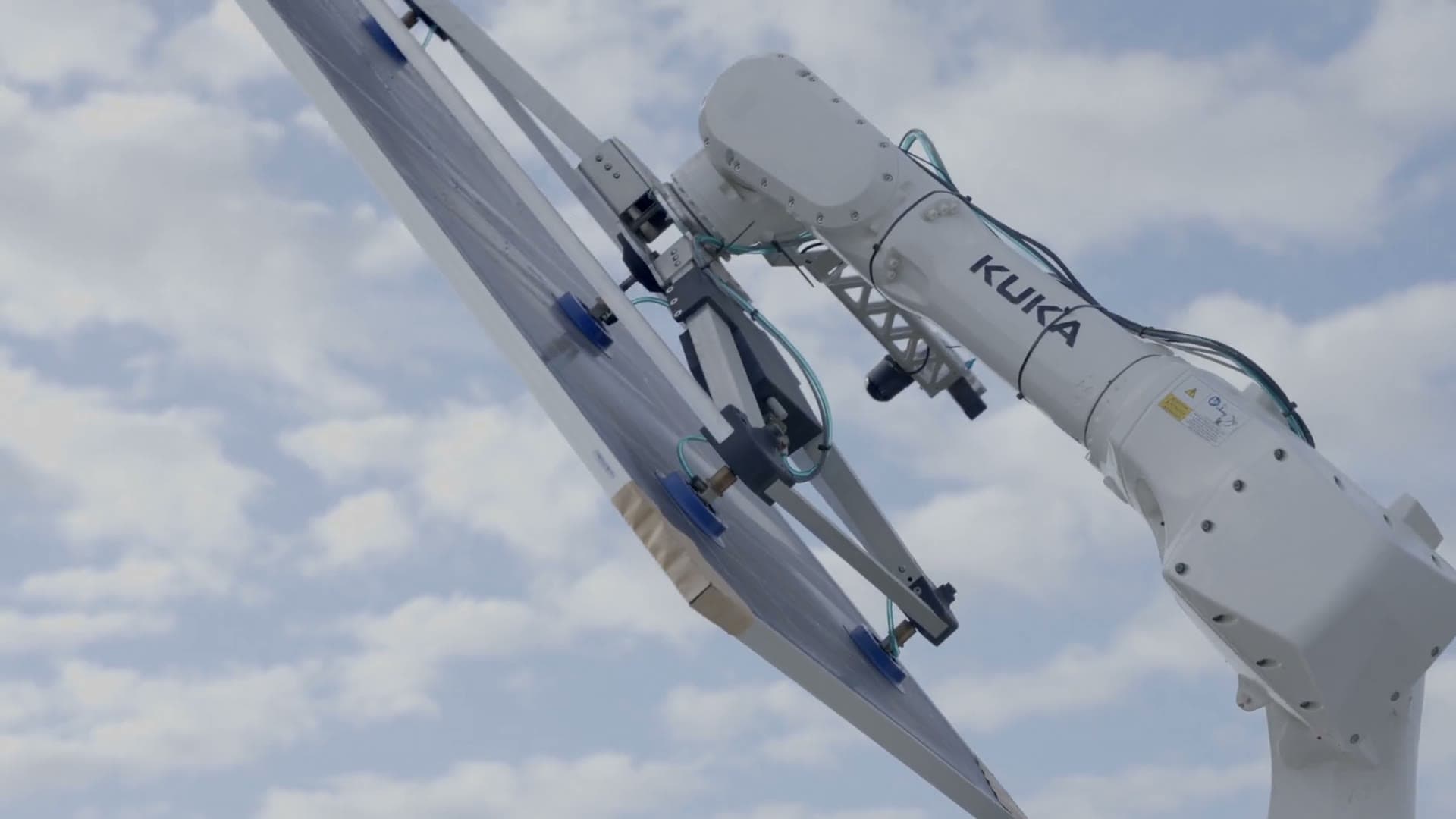
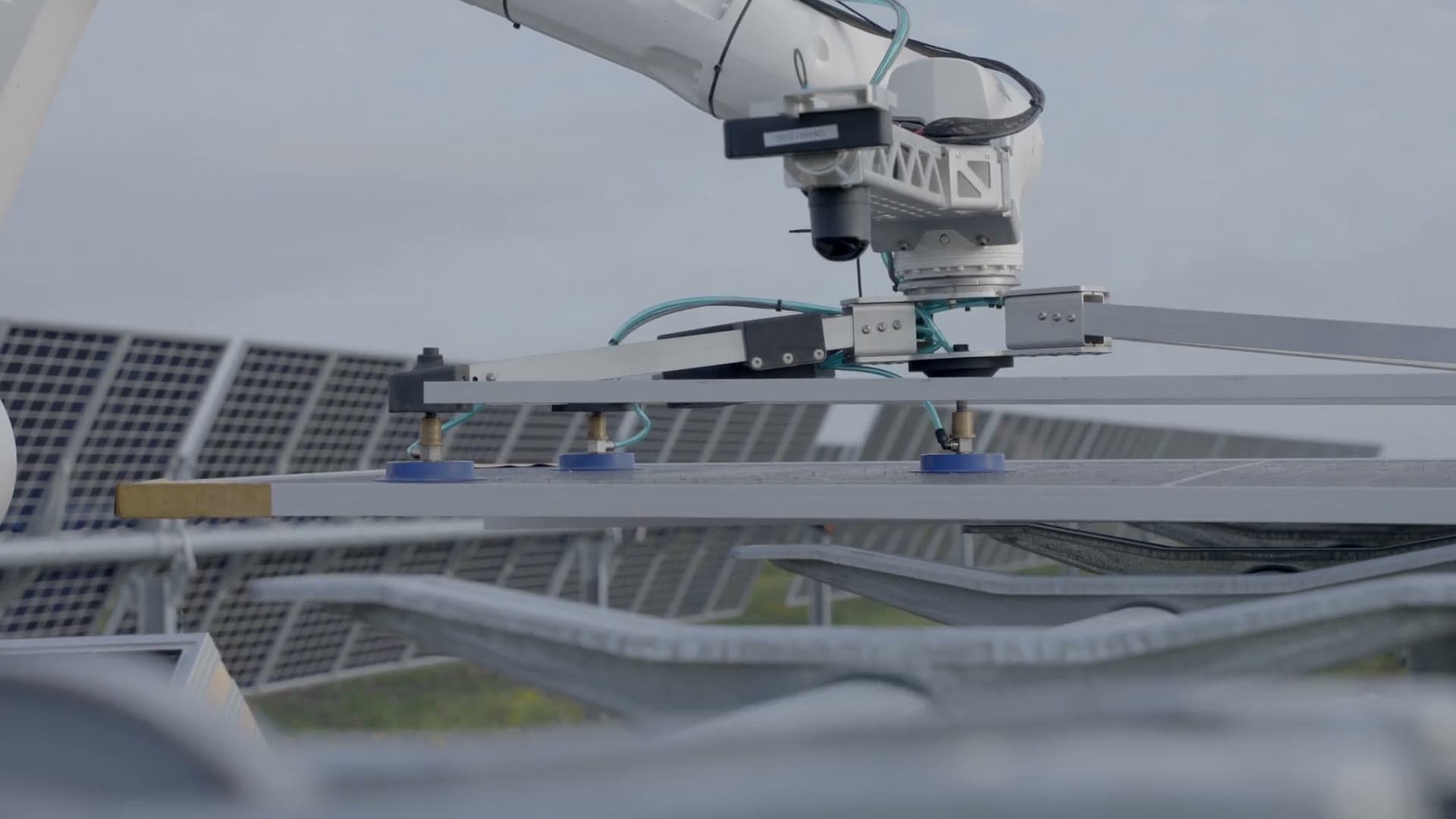
Manipulation arms, mobile platforms, agricultural robots, warehouse autonomy, construction robotics. Factory floors, deployment sites, manipulation demos, founder-led narrative. Built for Cosmic Robotics.

Potential capability, recruiting, and public-facing films for dual-use hardware and autonomous systems. The client and its counsel define what may be filmed or published; WERZ accepts only scopes it can support.

Potential founder profiles, packaging stories, and approved facility capture. Fab or cleanroom work requires a client-provided site protocol and a separate feasibility review before booking.

Launch vehicles, satellites, propulsion, eVTOL, and orbital infrastructure. Test stand documentation, integration site shoots, founder narrative, and FAA Part 107 aerial for non-launch facility work.

Grid, fusion, nuclear, storage, EV charging, solar at scale, geothermal. Field documentation for the install side, lab and factory production for the engineering side. Our climate tech page covers the sustainability-led version of this work.

Potential founder, product, and facility stories for physical life-science tools. Lab, patient, or regulated work is accepted only after client-led access and compliance requirements are reviewed.
Flagship hardware work


Client voice
“From pre-production logistics to on-site shoots, editing, and delivery — he's consistently organized, prepared, and ready to execute. Reliable, talented, and low-drama. A combination that's hard to find and extremely valuable.”
Process
Before any production date is locked, we spend a session on what the technology actually does, what is shippable today, what is on the roadmap, and what the buyer or investor needs to understand. Hard tech briefs that skip this produce generic content that founders cannot use.
The client identifies confidentiality, export-control, safety, site-access, and footage-review requirements. WERZ confirms whether the requested workflow is supportable before a production date is booked.
Multi-day shoots across factories, labs, deployment sites, test stands, and founder interviews. Ground plus aerial paired where it adds, scoped to install schedules, lab access timing, and weather windows.
Hero film, social cutdowns, deck-embed loops, customer-story versions, and recruiting cuts — all from the same shoot package. Scoped before production so the day produces a year of usable assets.
Use cases
60-90 second cinematic founder + product brand films that anchor the investor pitch. Replaces the slide that says 'demo video here' with something that actually moves the meeting room.
Capability films, customer-deployment narratives, and partner stories that move long enterprise hardware sales cycles. Recruiting-grade quality without revealing constrained capability.
Hard tech recruits PhDs, mission-aligned engineers, and operators who could go anywhere. Founder and team films that explain the work convert engineering candidates better than job-post content ever does.
The visual evidence buyers and investors need to believe the company can actually ship physical product — factories, deployment sites, test stands, fabrication floors, install crews.
Loops, hero reels, on-stand video, and demo-day pitch films for CES, Bosch Rexroth conferences, AUSA, SAE, SPIE Photonics, and category-specific deep tech industry events.
Potential customer and partner narratives for approved public deployments. Regulated, defense, utility, or foundry stories require the relevant client's access and release approval before they are scoped.
FAQ
Deep tech (also called hard tech, frontier tech, or tough tech) describes scientifically or engineering-intensive products such as robotics, semiconductors, aerospace hardware, energy infrastructure, and advanced materials. Production often requires technical review and client-defined access rules. WERZ's named public reference is Cosmic Robotics; other environments are scoped individually.
Functionally yes, with different audiences using different terms. 'Hard tech' is the US/VC vernacular (Founders Fund, a16z, Lux Capital). 'Deep tech' is the more established global term (BCG, Hello Tomorrow, the EU's Innovation Council). 'Frontier tech' and 'tough tech' (MIT's The Engine) describe the same companies. We use 'deep tech' on this page because it covers both audiences; we cover hard tech, frontier tech, and tough tech under the same approach.
Potentially, after review. The client and its counsel must identify the legal, export-control, access, storage, and approval requirements. WERZ does not determine ITAR or other regulatory status and does not represent a workflow as compliant until the exact scope and required controls have been reviewed and accepted in writing.
WERZ prices deep-tech work after the team confirms locations, access and safety requirements, shoot days, crew, aerial needs, confidentiality and review constraints, and deliverables. A focused field film and a multi-site launch campaign are different scopes; this page does not present an unsupported market average.
Yes, when scope and budget align. An early-stage hard-tech team may need one founder profile or a focused product film rather than a full campaign. WERZ recommends the smallest scope that supports the team's stated launch, sales, recruiting, or fundraising use case.
Robotics and autonomy, defense tech and dual-use hardware, semiconductors and advanced manufacturing, aerospace and space tech, energy tech (grid, fusion, nuclear, storage, EV charging, geothermal), climate hardware, and biotech hardware. We do not specialize in pure-software AI or SaaS (those are SaaS shoots) — for those, see our SaaS industry page.
Pricing is scope-based, not template-based. We define deliverables, audience, locations, crew, and revisions before quoting — so the budget reflects actual production needs rather than a pre-set tier.
Yes. A fixed budget works best when deliverables, locations, revision rounds, and timeline are clear before production starts. We will tell you what is achievable inside the budget rather than promise more than the scope supports.
Both. Most marketing and web programs run as monthly retainers (strategy, content, optimization). Video and brand projects are typically scoped per engagement, with optional content retainers for ongoing assets.
Discovery and strategy run 1–2 weeks; production and build run 3–8 weeks depending on scope; launch and iteration kicks off after delivery. Marketing programs are ongoing with measurable milestones at month one, month three, and month six.
Get started
Tell us the company, the sub-vertical, the stage, and the security envelope. We will scope crew, sites, NDA gates, and the deliverable package before any production date is locked.
Have one specific question? Email hello@werz.ai