Video ProductionRobotics Demo

Robotics demo video, without the hand-waving.

Show the complete task, operating conditions, operator role, and result clearly enough for an engineer to trust—and concisely enough for a buyer to keep watching.

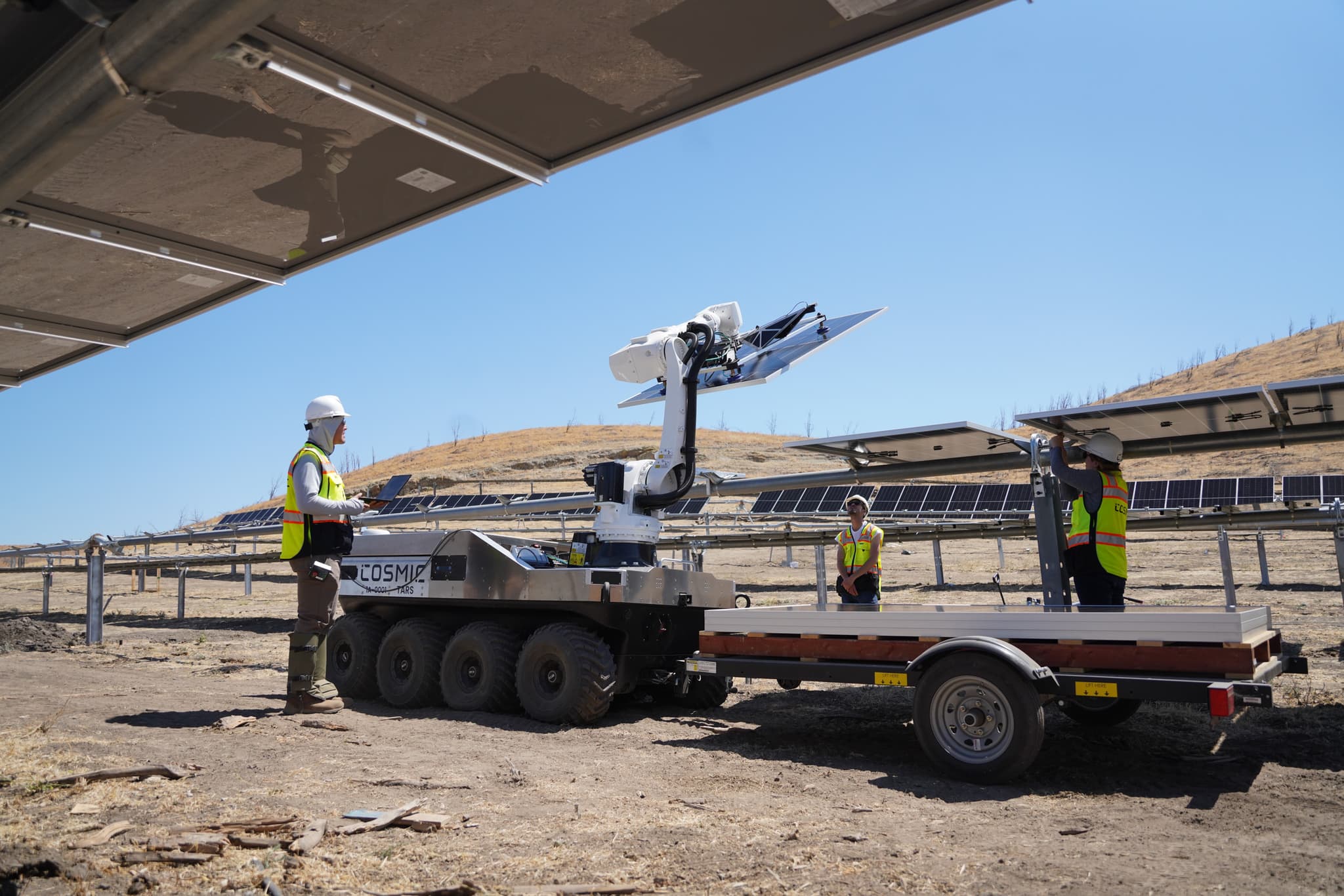
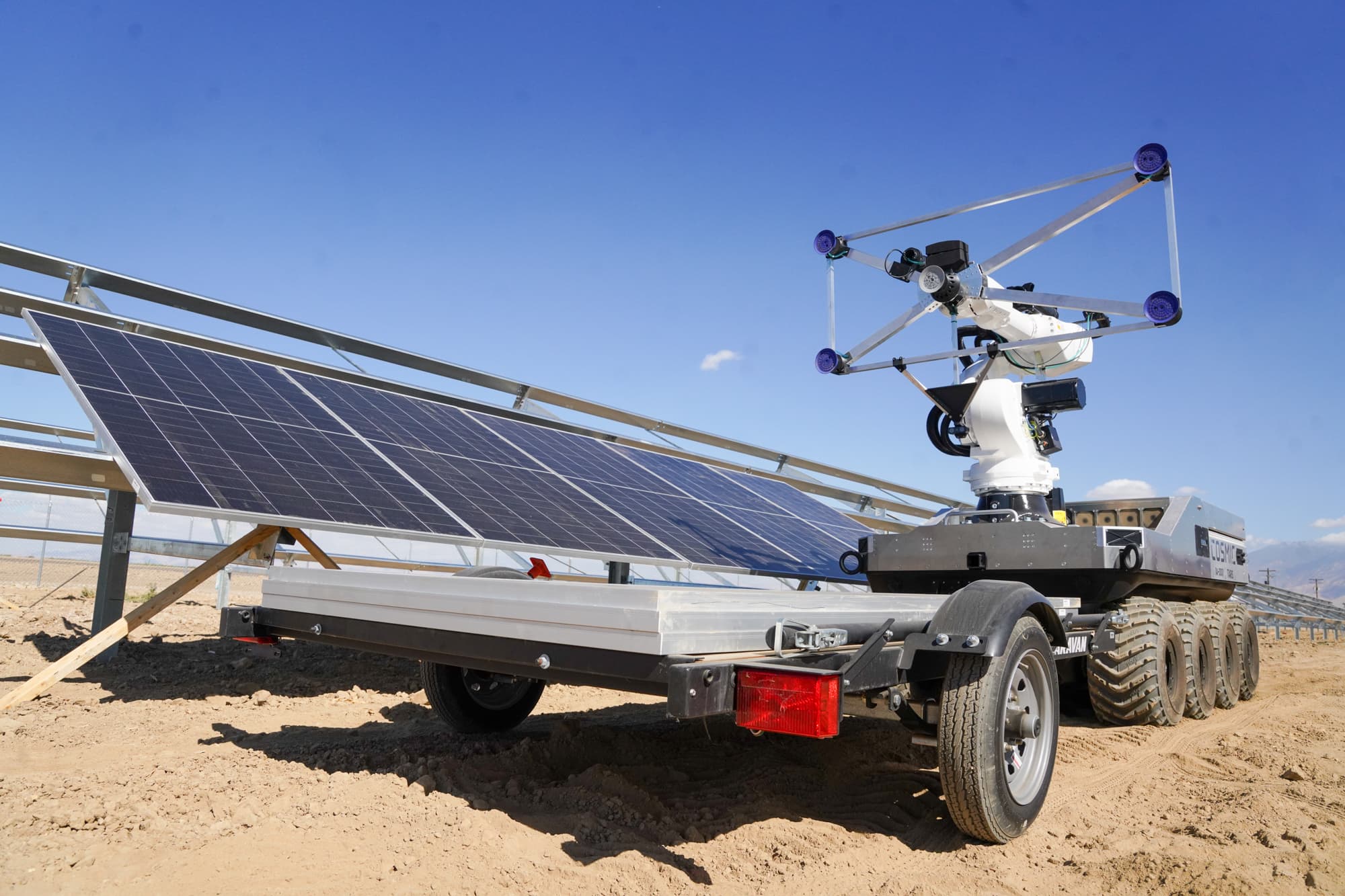
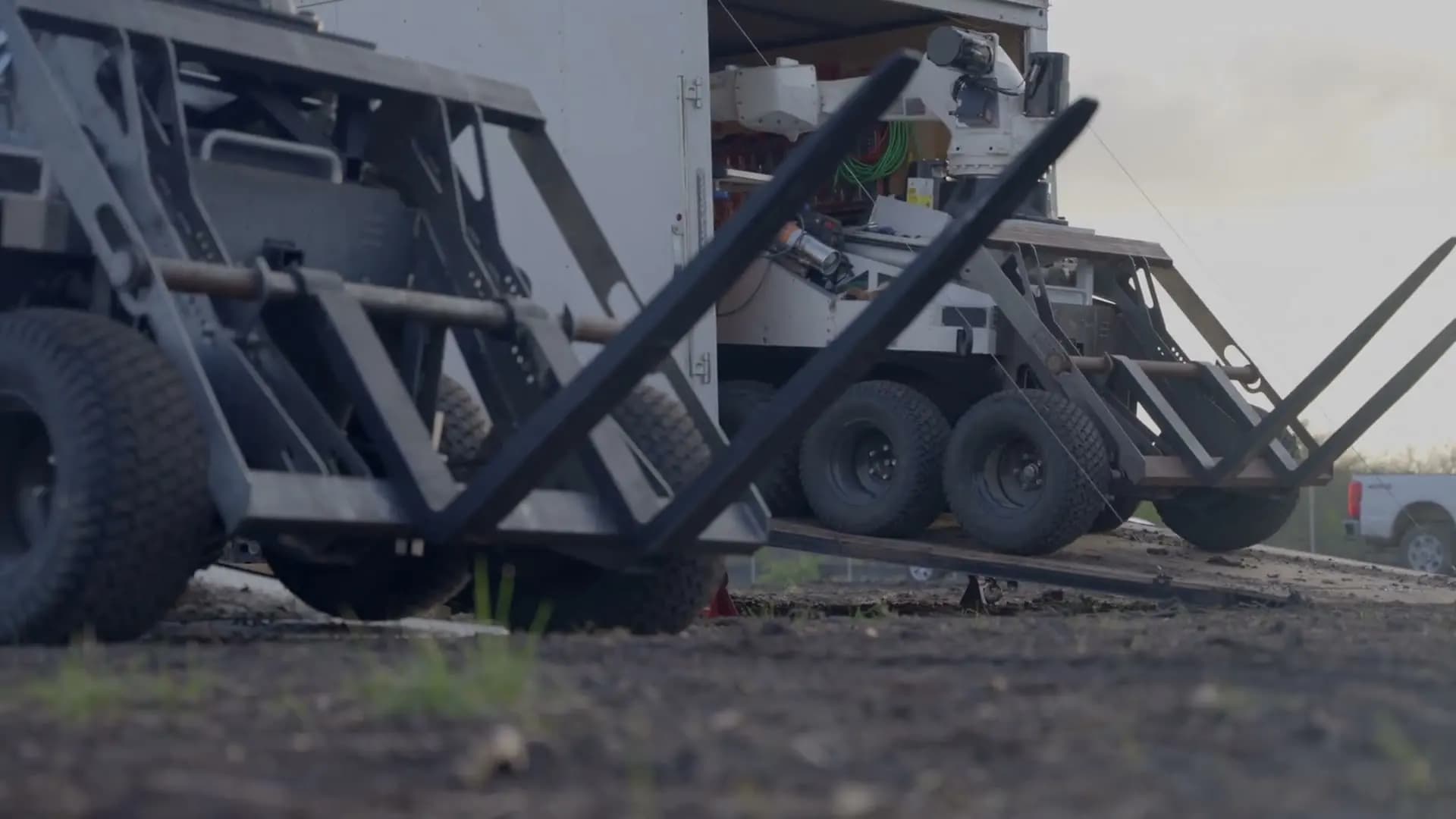
Cosmic-1 autonomous solar installation robot working a Southern Texas site — Cosmic Robotics.
Cosmic-1 autonomous solar installation robot working a Southern Texas site — Cosmic Robotics.2026 Slate
Documented hardware proofFAA Part 107Field + founder productionClient-approved claimsCalifornia + travel

Quick answer

What makes a robotics demo video credible?

A credible robotics demo establishes the task and operating conditions, shows the system completing a full cycle, distinguishes autonomous behavior from operator input, and avoids edits that could hide a reset or failure. WERZ builds the shot plan around the client's approved, repeatable demonstration.

Updated 4 min read

A robotics demo is evidence before it is advertising. The viewer needs to understand what the robot was asked to do, where it operated, what assistance it received, and what successful completion looks like. Beauty footage matters, but it cannot substitute for a legible full-cycle demonstration.

WERZ's public robotics reference is Cosmic Robotics: autonomous solar-construction hardware documented across three deployments and a 67-second launch film. That work informs our approach to task coverage, resets, field conditions, ground and aerial context, and the review path between engineering and marketing.

Before filming, the client confirms the repeatable task, operating envelope, safety zones, reset time, known failure states, and approved claims. We prioritize the proof take first, then capture the detail, movement, founder context, and short-form material needed to turn the same demonstration into a useful campaign.

Deliverables

Every angle the demo needs, planned before the shoot.

Full-cycle demonstration
1.

Full-cycle demonstration

A clear beginning, task, and completion state captured in longer takes so technical viewers can follow what the machine actually did.

Robotics Demo Video Production production reference
2.

Mechanism and end-effector detail

Close coverage of manipulation, sensing, grasping, mobility, controls, and physical interaction—chosen around the product's real differentiator.

Operating-environment context
3.

Operating-environment context

Factory, warehouse, lab, field, construction, or customer-site footage that makes scale, terrain, constraints, and human interaction understandable.

Robotics Demo Video Production production reference
4.

Demo cutdowns and loops

Short capability cuts, silent conference loops, deck embeds, website clips, and press b-roll derived from the approved demonstration.

Client voice

Trusted by technical founders.

From pre-production logistics to on-site shoots, editing, and delivery — he's consistently organized, prepared, and ready to execute. Reliable, talented, and low-drama. A combination that's hard to find and extremely valuable.
James Emerick
Founder & CEO, Cosmic Robotics

Process

A production plan that protects the claim.

  1. 01

    Define the claim

    Engineering and marketing agree on the exact capability, conditions, and audience before we write the visual sequence.

  2. 02

    Plan success and resets

    We schedule task cycles, reset windows, batteries, consumables, operators, safety zones, camera positions, and fallback coverage.

  3. 03

    Capture proof before polish

    The complete demonstration is secured first. Beauty shots, interviews, aerial, and campaign variants follow once the proof exists.

  4. 04

    Technical review

    Named client reviewers confirm accuracy and approved disclosure before the final versions are released.

Best fit

Built for a specific business moment.

Launch and funding announcements

A defensible product moment for the launch page, press story, investor thread, and founder post.

Enterprise sales

A concise demonstration buyers can share internally before a deeper technical evaluation.

Trade shows

Silent booth loops and short capability cuts that remain understandable without a live operator.

Recruiting

Show candidates the actual technical problem, hardware, team, and operating environment.

FAQ

Common questions.

Can you film a demo without making it look staged?

Yes. We plan around a real, repeatable task and preserve enough of the operating context for viewers to understand what happened. Lighting and camera placement improve legibility without changing the demonstrated capability.

How do you handle failed takes or long reset times?

Reset time, failure modes, consumables, batteries, and operator availability are part of the schedule. We capture the highest-risk proof early and avoid promising a shot count that ignores the system's real operating rhythm.

Can engineers review the edit?

Yes. The scope names a technical review point so the client can verify labels, conditions, interface states, and claims before release.

Can one demo become several videos?

Yes. A planned session can yield a primary demo, capability-specific cuts, social clips, deck loops, conference assets, press b-roll, and stills.

How does WERZ price video, web, or marketing work?

Pricing is scope-based, not template-based. We define deliverables, audience, locations, crew, and revisions before quoting — so the budget reflects actual production needs rather than a pre-set tier.

Can WERZ work from a fixed budget?

Yes. A fixed budget works best when deliverables, locations, revision rounds, and timeline are clear before production starts. We will tell you what is achievable inside the budget rather than promise more than the scope supports.

Are there ongoing retainers, or only project work?

Both. Most marketing and web programs run as monthly retainers (strategy, content, optimization). Video and brand projects are typically scoped per engagement, with optional content retainers for ongoing assets.

How long does a typical engagement take?

Discovery and strategy run 1–2 weeks; production and build run 3–8 weeks depending on scope; launch and iteration kicks off after delivery. Marketing programs are ongoing with measurable milestones at month one, month three, and month six.

Can you accommodate a tight deadline?

Yes, when the scope and approval lanes are tight. Rush projects work best when the team can lock decisions quickly and accept fewer revision rounds. We will tell you upfront if a deadline is unrealistic for the scope.

What happens after the project ships?

Every engagement includes a 30-day post-launch window for fixes, polish, and analytics review. From there we can move into a retainer for ongoing content, optimization, or campaign management.

Get started

Put the real system on camera.

Send the task, operating environment, reset time, approved claims, and launch or sales date. We will map the smallest credible production plan.

Have one specific question? Email hello@werz.ai