Announcement-day hero film
A concise founder-and-product narrative built around the one capability and one company thesis the launch needs to land.
One announcement-day story that makes the ambition understandable and proves the physical product is real—then supplies the press, deck, recruiting, and social assets around it.

Quick answer
A hardware launch film should state the company thesis, show the real product performing an approved task, establish the operating environment, and give the audience a clear reason the launch matters now. Supporting deliverables should be scoped before production so launch day is not dependent on one file.
Hardware launch videos carry a different burden than software announcements. The audience cannot try the product instantly, so the film has to establish physical reality, scale, readiness, and the relationship between the machine and the problem it solves.
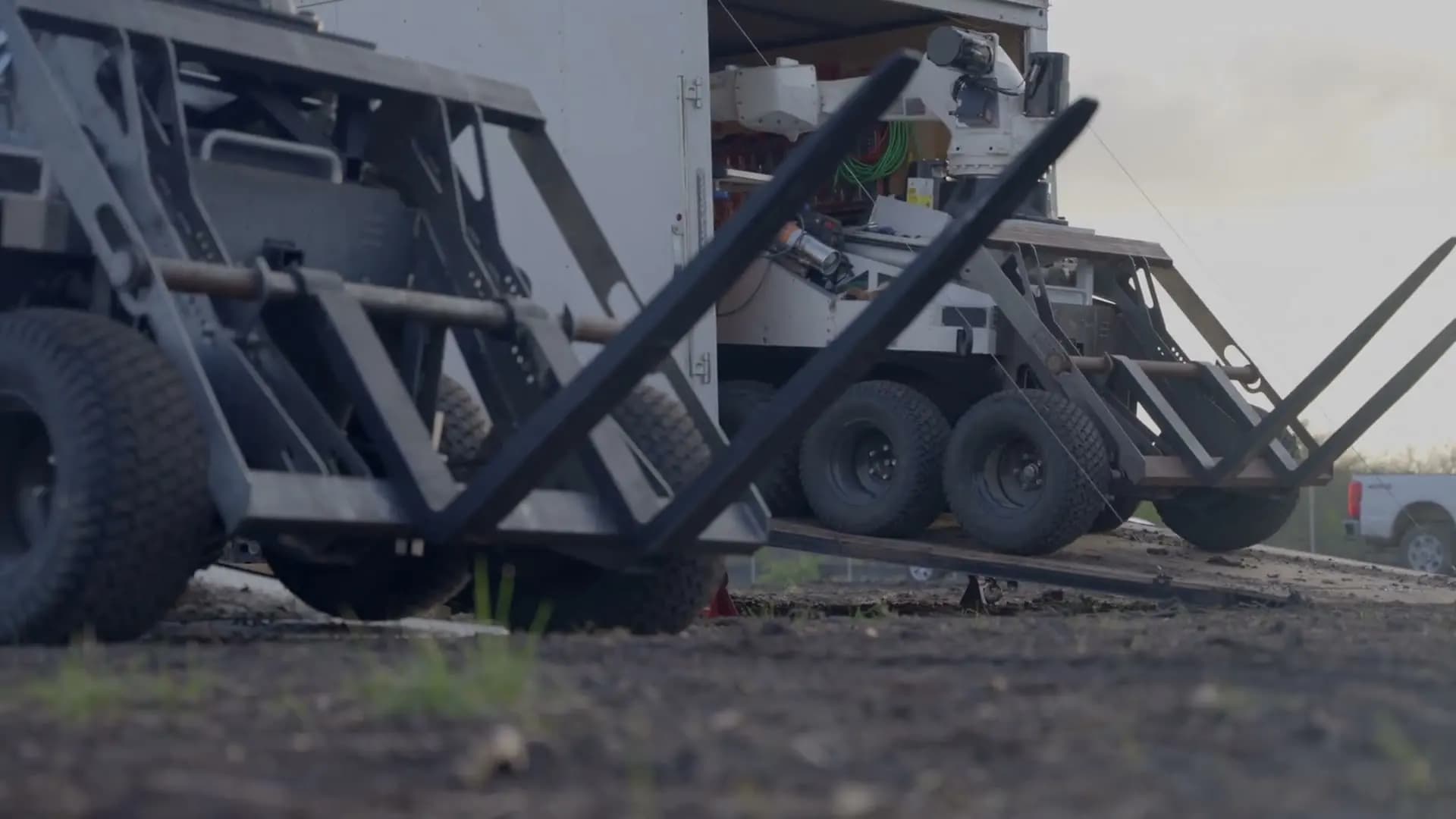
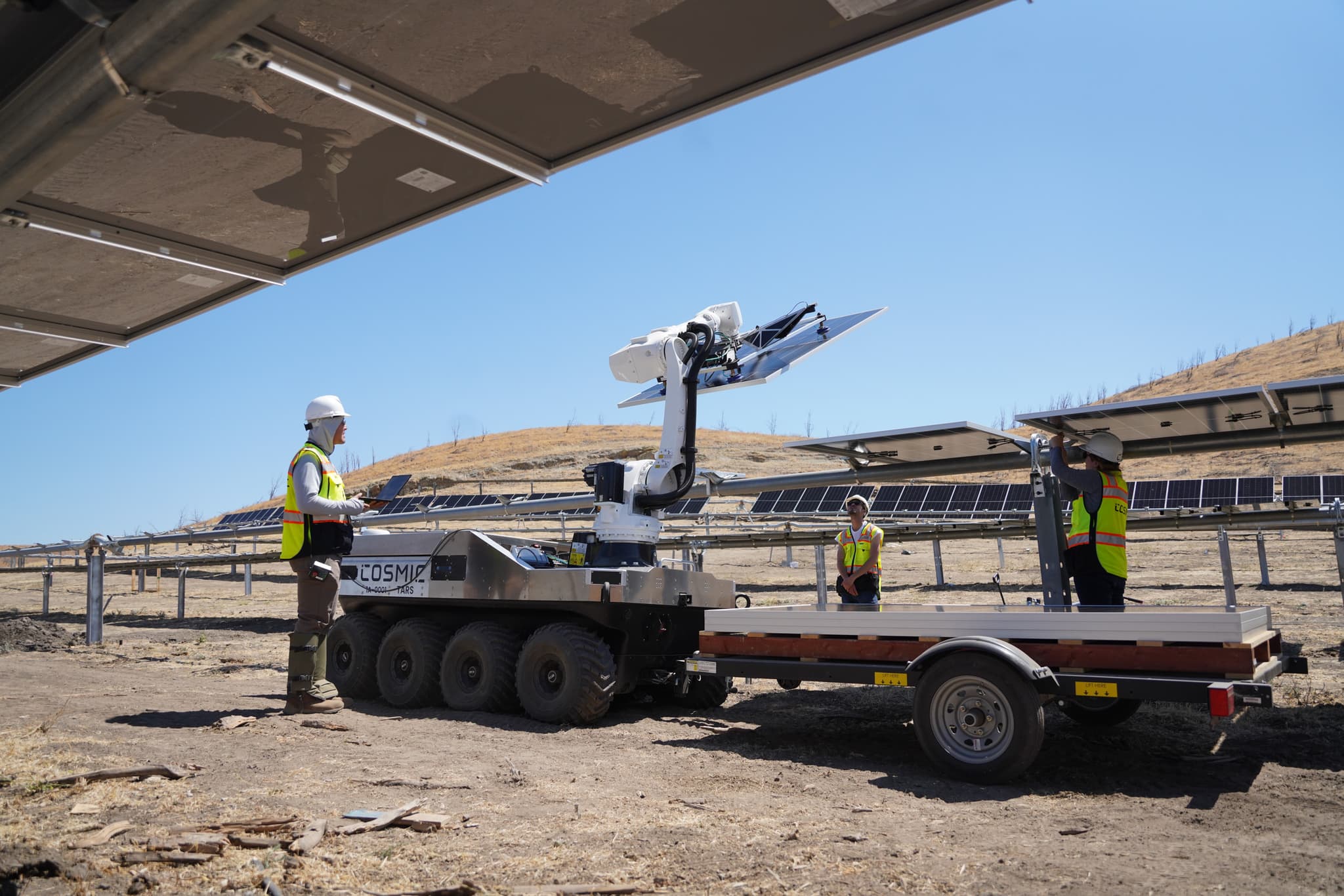
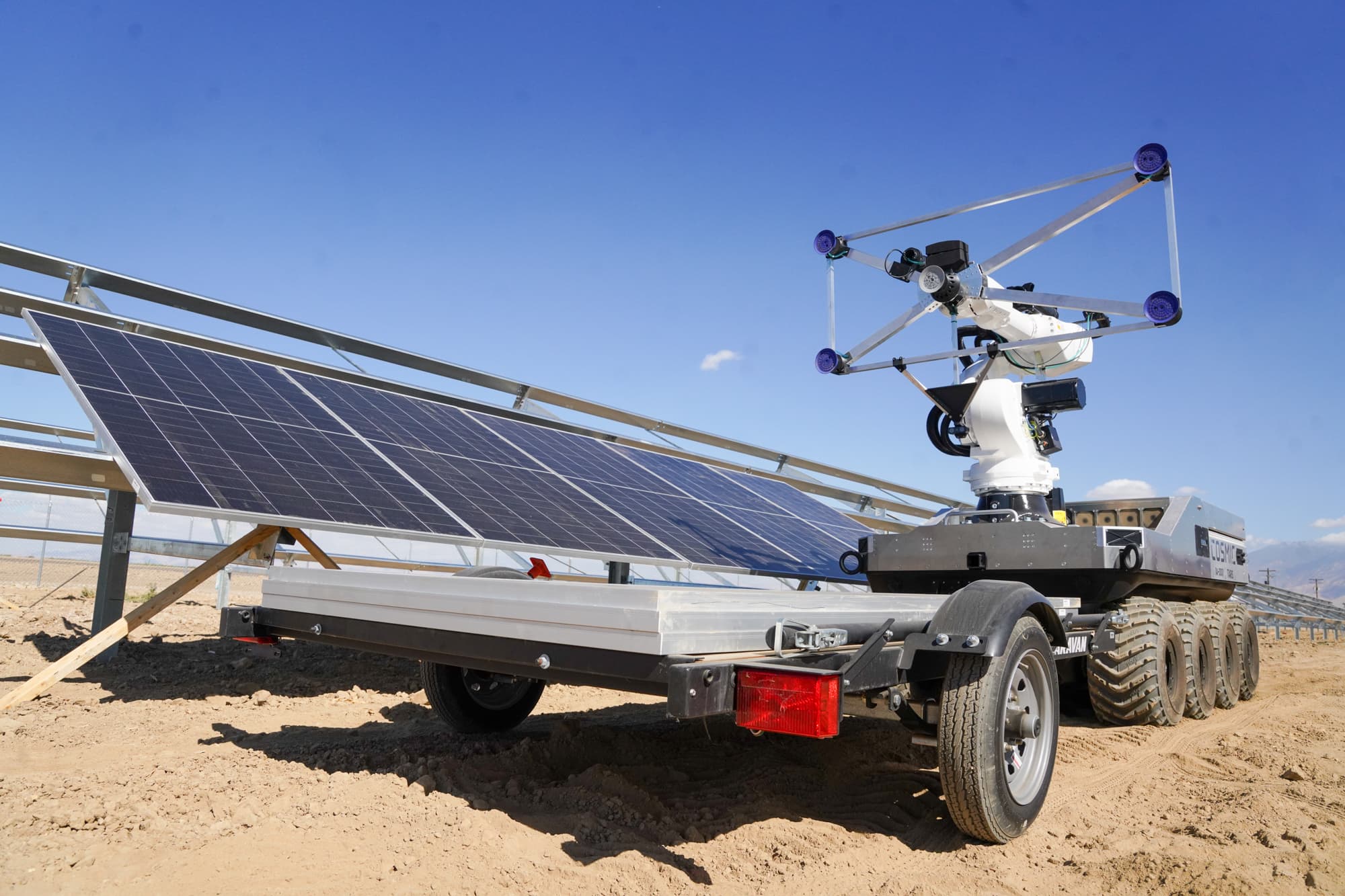
WERZ produced the 67-second Cosmic-1 launch film after documenting Cosmic Robotics across multiple field deployments. Y Combinator published the finished film as the company's launch announcement. That public work is the reference for the production method here: build from real operating footage, connect it to the founder's thesis, and schedule every review backward from the announcement date.
The launch package can include the hero film, vertical and square versions, silent-autoplay cuts, press b-roll, stills, deck loops, founder clips, and a clean no-text master. Existing footage is audited first; a new shoot is recommended only when the approved story cannot be supported by what already exists.
Deliverables

A concise founder-and-product narrative built around the one capability and one company thesis the launch needs to land.

Factory, field, lab, test, customer-site, or controlled demonstration footage that establishes physical credibility.

Approved b-roll, stills, deck loops, short descriptions, and clean masters organized for journalists and internal teams.

Silent-autoplay edits, founder moments, technical highlights, and hiring versions sized for the channels named in the brief.
Client voice
“From pre-production logistics to on-site shoots, editing, and delivery — he's consistently organized, prepared, and ready to execute. Reliable, talented, and low-drama. A combination that's hard to find and extremely valuable.”
Process
The announcement date sets the shoot, edit, review, delivery, press-kit, and contingency dates.
Founder, product, and marketing stakeholders agree on the approved task and the evidence the audience must see.
We identify reusable material, missing shots, quality gaps, and the smallest new capture plan required.
The hero cut is followed by the pre-scoped channel versions, b-roll, stills, loops, captions, and clean masters.
Best fit
Introduce a new machine, platform, component, or technical capability with visible product proof.
Give the round announcement a clear company thesis and a credible view of what has already been built.
Turn an approved real-world milestone into a launch story for buyers, partners, and future sites.
Prepare the main film, booth loop, founder cut, and press assets for a fixed public date.
FAQ
Potentially. The client defines confidentiality, access, storage, reviewer, and release requirements. WERZ confirms a supportable workflow before the project is booked.
Not always. We audit existing footage against the approved story, technical accuracy, resolution, continuity, and channel needs, then recommend only the missing capture.
Begin as soon as the announcement date and repeatable product state are known. Site access, demonstration resets, travel, technical review, and press deliverables usually require more planning than a simple office shoot.
Yes. Those versions work best when their required interview answers and product moments are identified before production rather than extracted after the hero film is finished.
Pricing is scope-based, not template-based. We define deliverables, audience, locations, crew, and revisions before quoting — so the budget reflects actual production needs rather than a pre-set tier.
Yes. A fixed budget works best when deliverables, locations, revision rounds, and timeline are clear before production starts. We will tell you what is achievable inside the budget rather than promise more than the scope supports.
Both. Most marketing and web programs run as monthly retainers (strategy, content, optimization). Video and brand projects are typically scoped per engagement, with optional content retainers for ongoing assets.
Discovery and strategy run 1–2 weeks; production and build run 3–8 weeks depending on scope; launch and iteration kicks off after delivery. Marketing programs are ongoing with measurable milestones at month one, month three, and month six.
Yes, when the scope and approval lanes are tight. Rush projects work best when the team can lock decisions quickly and accept fewer revision rounds. We will tell you upfront if a deadline is unrealistic for the scope.
Every engagement includes a 30-day post-launch window for fixes, polish, and analytics review. From there we can move into a retainer for ongoing content, optimization, or campaign management.
Get started
Send the announcement date, product state, available footage, approved claim, and required channels. We will work backward into a practical scope.
Have one specific question? Email hello@werz.ai