Video ProductionMulti-Location Field Documentation

Field documentation, built to compound.

Repeatable production across pilots, installations, customer sites, and deployments—with consistent coverage, technical review, and a media library people can actually reuse.

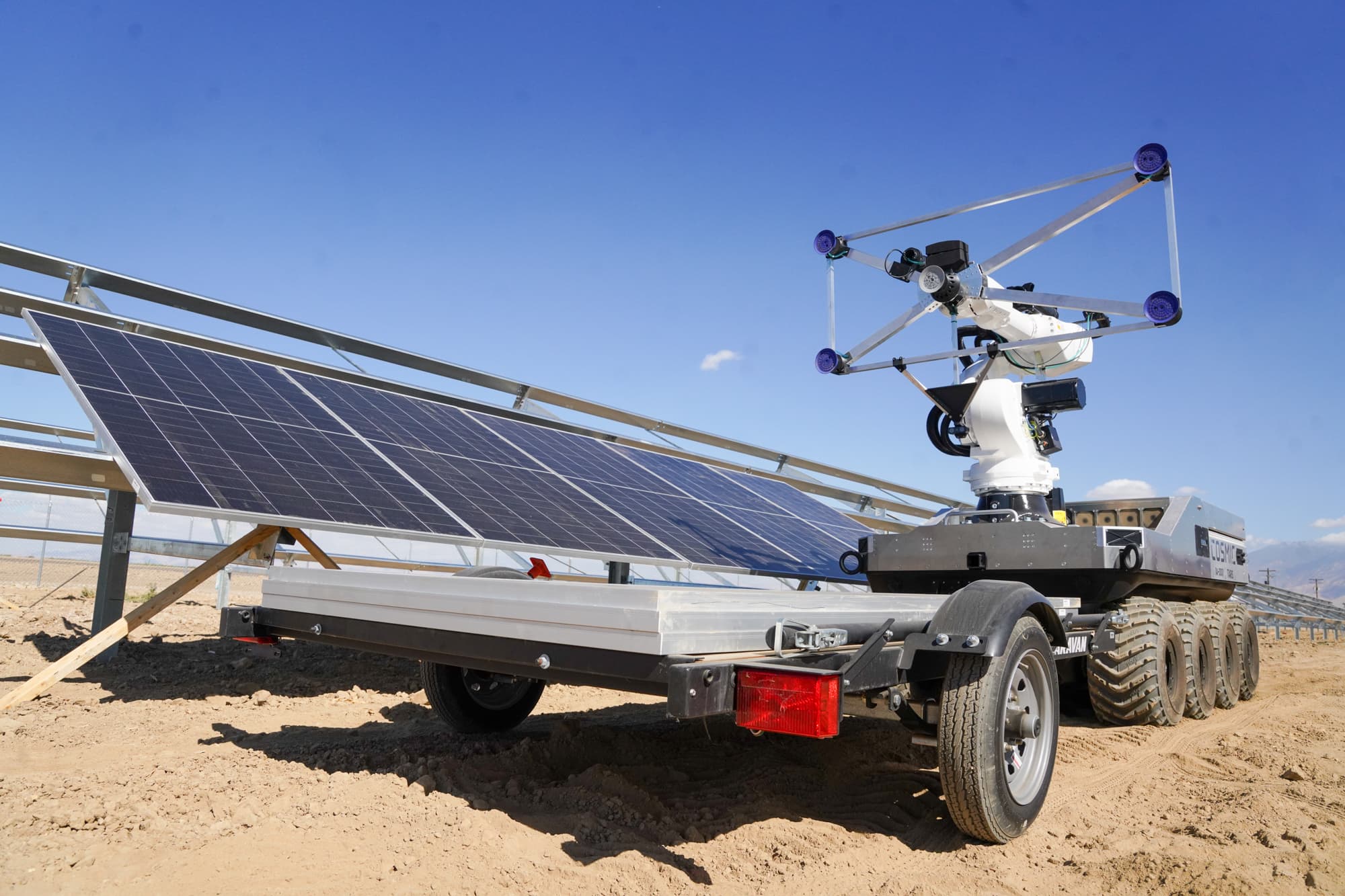
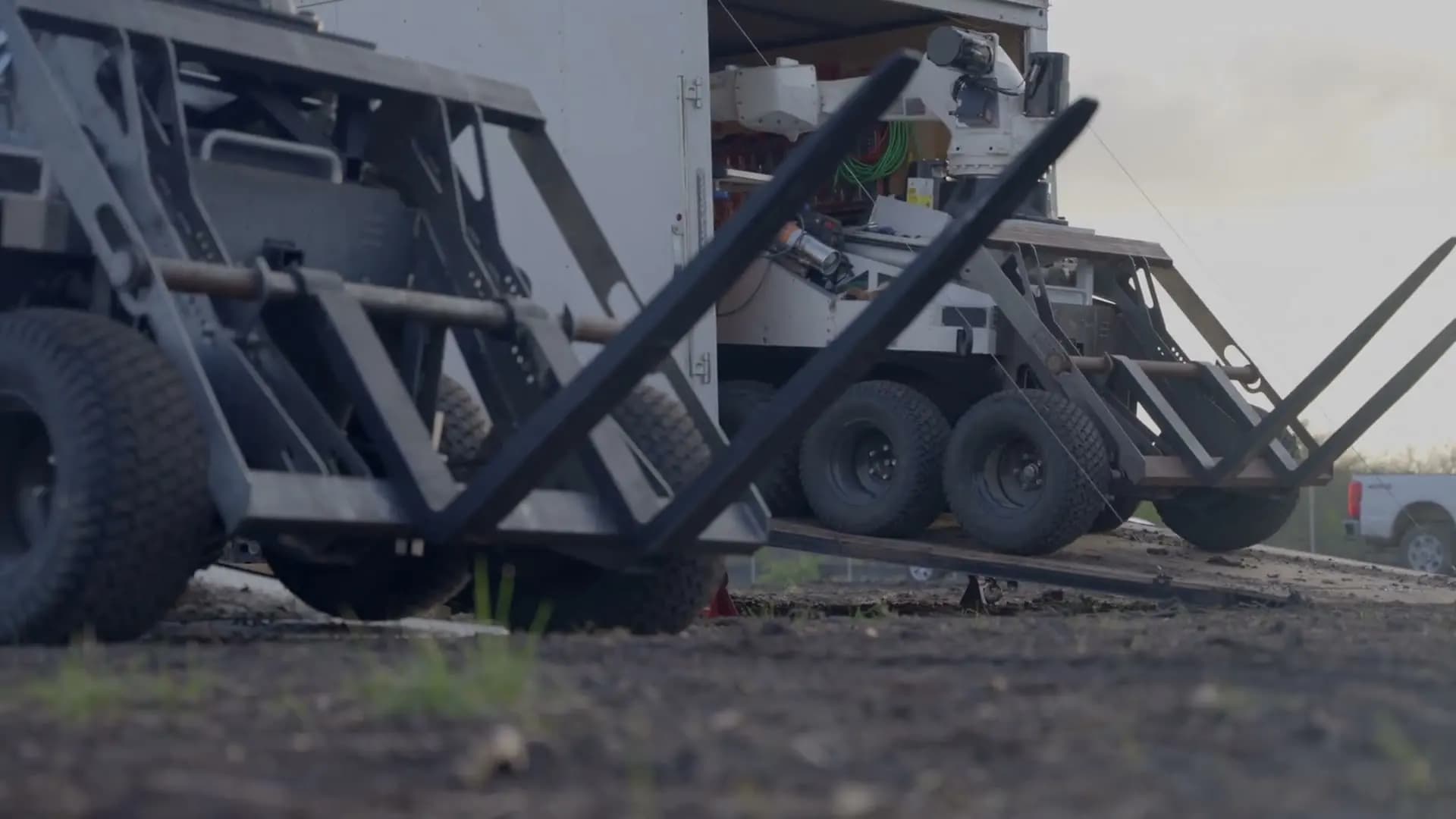
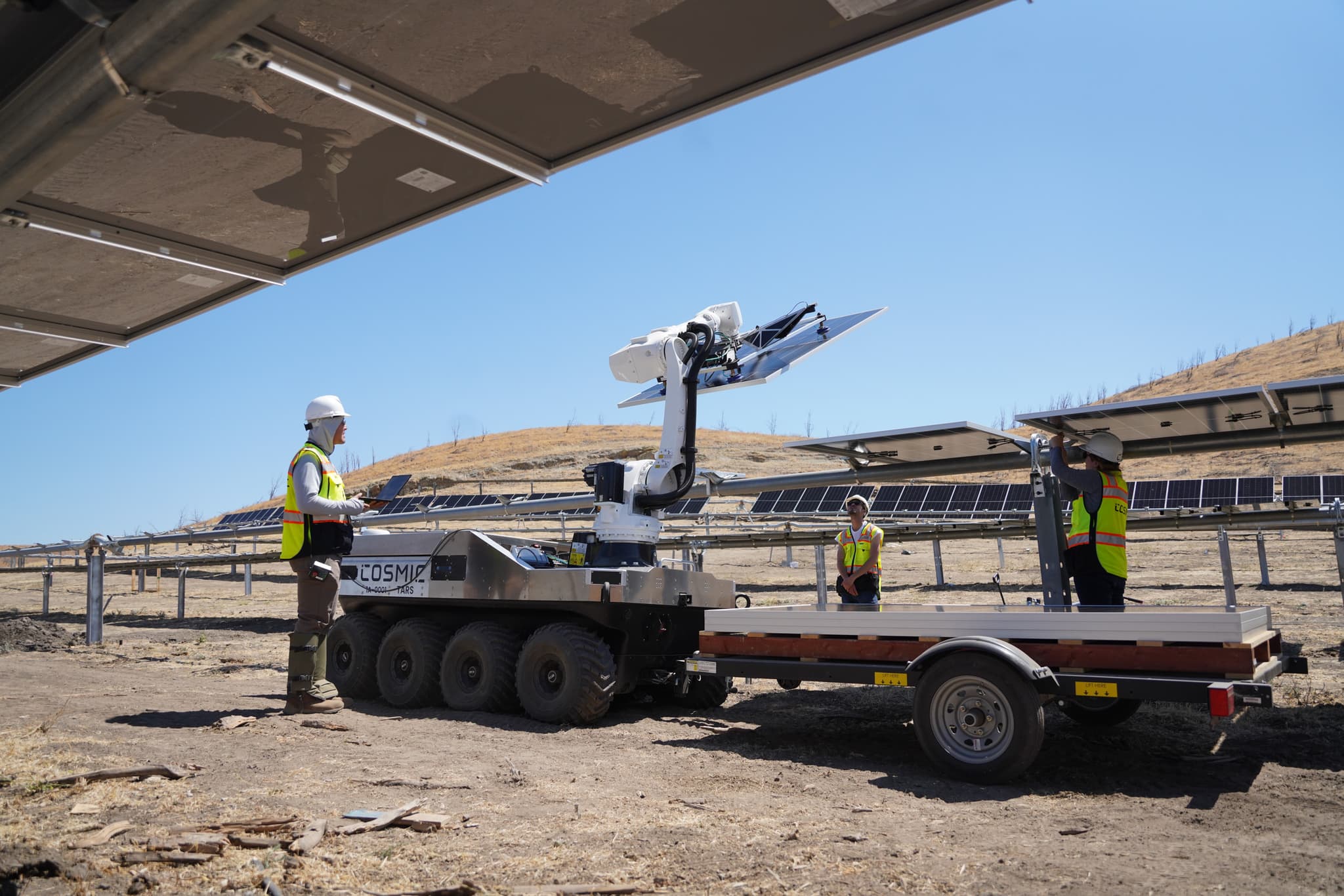
Aerial and ground production for Cosmic Robotics in California.
Aerial and ground production for Cosmic Robotics in California.Field production
Documented hardware proofFAA Part 107Field + founder productionClient-approved claimsCalifornia + travel

Quick answer

How does multi-location field documentation stay consistent?

Consistency comes from a reusable shot taxonomy, site intake, naming and metadata rules, technical review, and a minimum coverage standard that survives different crews, weather, schedules, and operating environments. Each trip adds to the same system instead of creating another disconnected folder.

Updated 4 min read

Physical companies rarely have one launch moment. Products move from prototype to pilot, customer deployment, construction milestone, commissioning, and scaled operations. If every site is filmed as a standalone project, the footage becomes difficult to compare, search, approve, and reuse.

WERZ documented Cosmic Robotics across Arvin, Patterson, and Southern Texas between 2024 and 2026, then used that field record across brand, launch, web, social, aerial, clip-library, and still-image deliverables. That documented relationship is the public basis for this service.

A multi-location program defines what must be captured everywhere, what changes by site, how files and releases are organized, who approves technical claims, and which deliverables are produced after each visit. The result can support project updates immediately while preserving a coherent archive for a future launch or company film.

Deliverables

Every site contributes to planned before the shoot.

Reusable site intake
1.

Reusable site intake

A consistent brief for location, access, schedule, operations, weather, safety, releases, airspace, interviews, and approved claims.

Multi-Location Field Documentation Video Production production reference
2.

Minimum coverage standard

Repeatable establishing, process, product, people, detail, scale, and completion views that make sites comparable over time.

Ground, aerial, and stills
3.

Ground, aerial, and stills

Coordinated capture formats chosen around the site and final asset plan, including Part 107 aerial where feasible and permitted.

Multi-Location Field Documentation Video Production production reference
4.

Searchable delivery library

Organized masters, selects, labels, dates, locations, releases, captions, and approved-use notes designed for future editors and teams.

Client voice

Trusted by technical founders.

From pre-production logistics to on-site shoots, editing, and delivery — he's consistently organized, prepared, and ready to execute. Reliable, talented, and low-drama. A combination that's hard to find and extremely valuable.
James Emerick
Founder & CEO, Cosmic Robotics

Process

A production plan that protects the claim.

  1. 01

    Design the program

    We define the recurring coverage standard, variable modules, file taxonomy, review path, and deliverables before the first site.

  2. 02

    Intake each location

    Site owners confirm access, operations, safety, schedules, contacts, releases, airspace, and the milestone worth documenting.

  3. 03

    Capture for today and later

    Each visit serves immediate communications while preserving consistent material for future company-level stories.

  4. 04

    Review and organize

    Technical approvals, selects, metadata, location labels, and usage notes travel with the media rather than living in separate inboxes.

Best fit

Built for a specific business moment.

Pilot-to-scale narratives

Show product progress across early trials, customer deployments, and scaled operations without recreating the past.

Construction and commissioning

Document approved milestones, teams, equipment, site context, and completion across a portfolio of projects.

Investor and board updates

Maintain current, credible visual evidence of field progress across regions and operating environments.

Launch and campaign libraries

Build the footage base for a later launch film, brand story, recruiting campaign, press package, or website refresh.

FAQ

Common questions.

Does the same crew need to travel to every site?

Not always. A small traveling core can be paired with local support when appropriate, but the shot standard, camera requirements, color approach, data handling, and review process stay consistent.

Can you work around changing installation schedules?

Yes, within the scope's rescheduling and travel terms. We identify the milestone, decision owner, weather window, access dependencies, and go/no-go time for each location.

How are files organized across sites?

The delivery structure can include location, date, project stage, product, shot type, approval status, and usage notes, with masters and selects separated from working exports.

Can earlier footage be included?

Yes. We can audit and normalize existing material, preserve provenance, identify missing coverage, and incorporate approved footage into the new library.

How does WERZ price video, web, or marketing work?

Pricing is scope-based, not template-based. We define deliverables, audience, locations, crew, and revisions before quoting — so the budget reflects actual production needs rather than a pre-set tier.

Can WERZ work from a fixed budget?

Yes. A fixed budget works best when deliverables, locations, revision rounds, and timeline are clear before production starts. We will tell you what is achievable inside the budget rather than promise more than the scope supports.

Are there ongoing retainers, or only project work?

Both. Most marketing and web programs run as monthly retainers (strategy, content, optimization). Video and brand projects are typically scoped per engagement, with optional content retainers for ongoing assets.

How long does a typical engagement take?

Discovery and strategy run 1–2 weeks; production and build run 3–8 weeks depending on scope; launch and iteration kicks off after delivery. Marketing programs are ongoing with measurable milestones at month one, month three, and month six.

Can you accommodate a tight deadline?

Yes, when the scope and approval lanes are tight. Rush projects work best when the team can lock decisions quickly and accept fewer revision rounds. We will tell you upfront if a deadline is unrealistic for the scope.

What happens after the project ships?

Every engagement includes a 30-day post-launch window for fixes, polish, and analytics review. From there we can move into a retainer for ongoing content, optimization, or campaign management.

Get started

Make every deployment part of the same story.

Send the expected sites, schedule uncertainty, milestone types, access constraints, and near-term deliverables. We will design the repeatable capture and library plan.

Have one specific question? Email hello@werz.ai