Founder thesis film
A clear statement of the problem, insight, product, milestone, and why this team is positioned to build it.
A founder thesis backed by visible technical progress—built for the deck, partner meeting, follow-up email, data room, and the audiences that see the company after the raise.

Quick answer
It should help an investor understand the problem, the founder's differentiated insight, what has been built, the conditions under which it works, and why the current milestone matters. The film supports diligence; it should never imply metrics, customers, readiness, or capabilities the company has not approved.
A fundraising video cannot replace the deck, technical diligence, or customer evidence. Its job is to compress the founder's argument and the product's physical reality into a form that travels inside a partnership—especially when the machine, facility, or deployment cannot enter the meeting room.
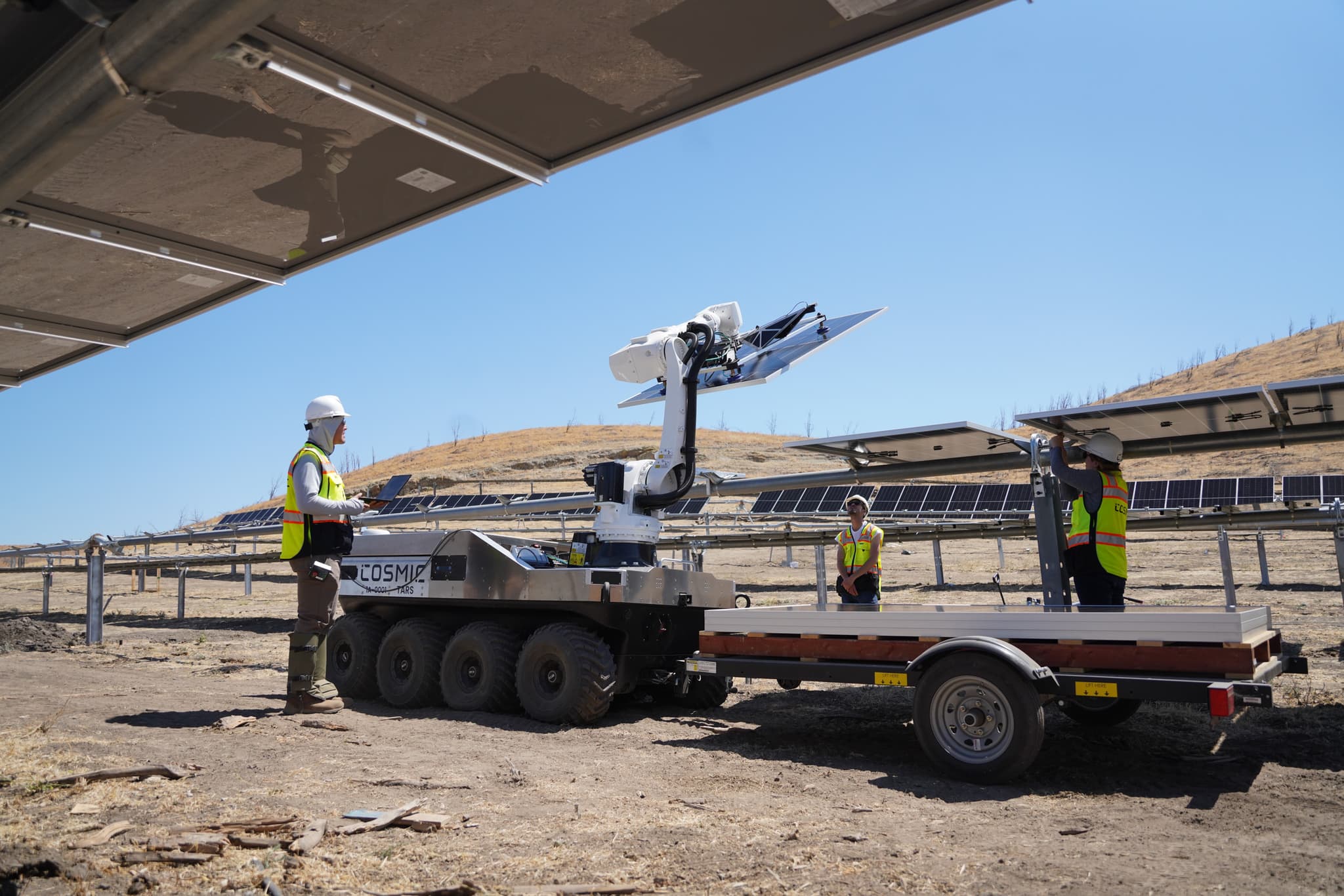
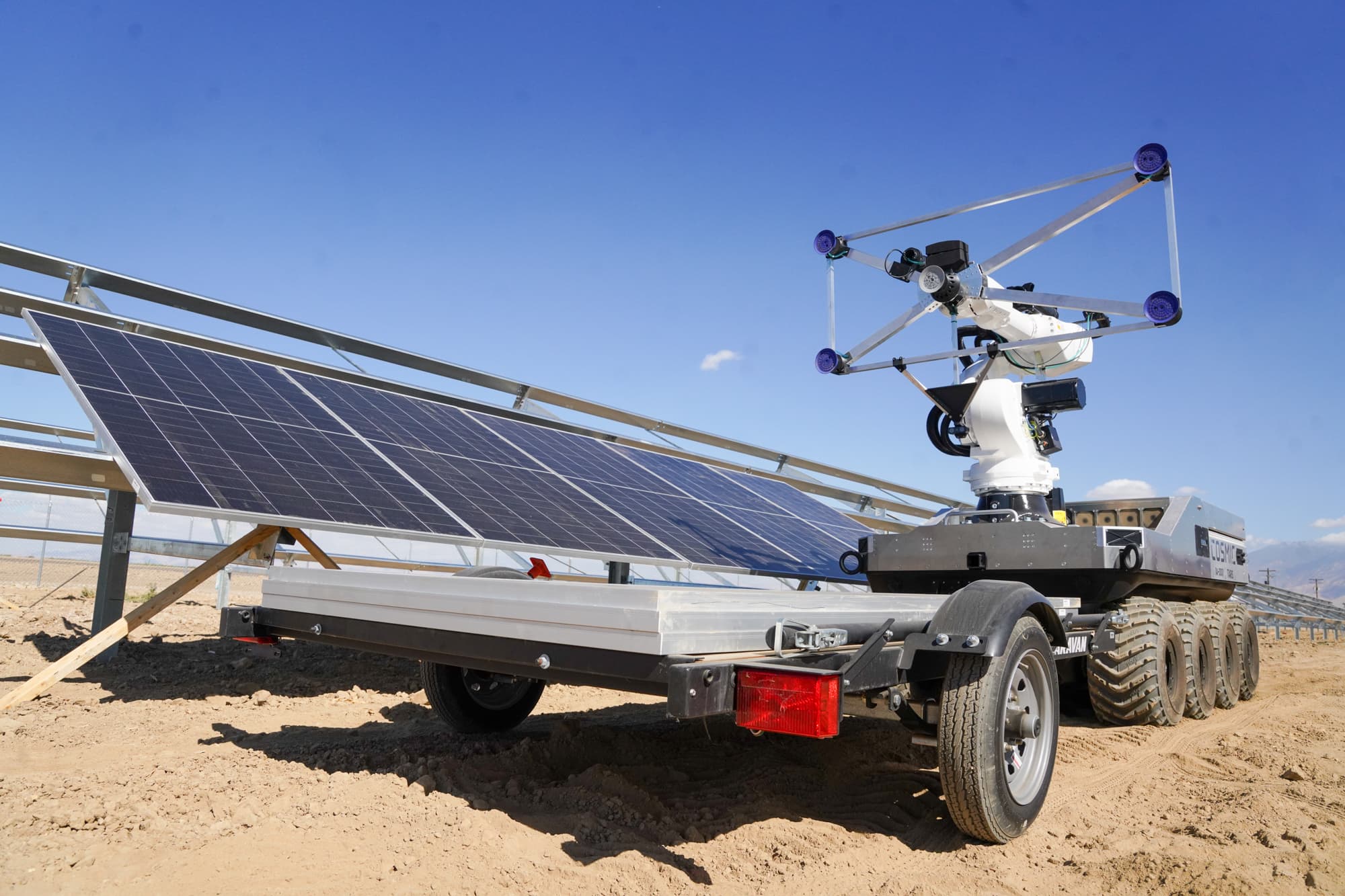
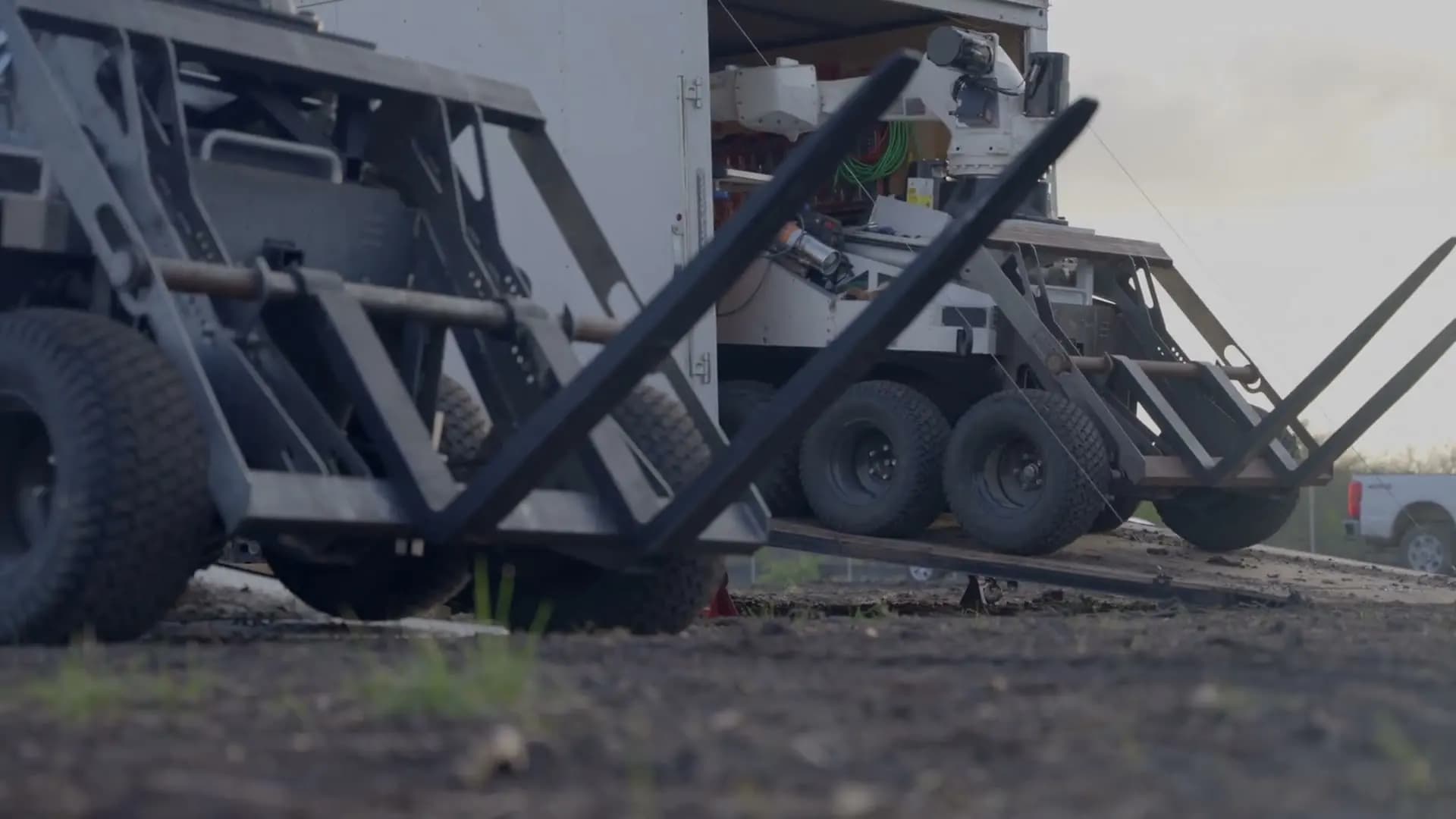
The strongest material combines a precise founder narrative with proof: the product completing an approved task, the team working in the real environment, the factory or field context, and the milestone the round will accelerate. WERZ's public example is Cosmic Robotics, documented across multiple deployments and a launch film carried by Y Combinator.
We plan the main film and the smaller investor touchpoints together: a deck loop, no-sound product proof, founder answer clips, data-room context, portfolio-announcement assets, stills, and recruiting versions. Claims, metrics, customer names, future timelines, and confidential details remain client-approved inputs.
Deliverables

A clear statement of the problem, insight, product, milestone, and why this team is positioned to build it.

Approved footage of the system, process, field site, factory, interface, test, or customer environment that supports the narrative.

Short loops, silent demonstrations, founder answers, stills, and contextual footage designed for investor follow-up.

Launch, recruiting, press, website, and social assets derived from the same approved material when the announcement becomes public.
Client voice
“From pre-production logistics to on-site shoots, editing, and delivery — he's consistently organized, prepared, and ready to execute. Reliable, talented, and low-drama. A combination that's hard to find and extremely valuable.”
Process
We identify what the viewer must believe, what evidence exists, and what remains confidential or unproven.
Founder topics, product tasks, locations, screens, archival media, and approved metrics are mapped into one argument.
The shoot prioritizes the most defensible product or operating evidence before secondary campaign material.
The client confirms the intended audience and clearance of each version before private or public delivery.
Best fit
Introduce the company and product with the depth appropriate to the current technical and commercial milestone.
Give investors a concise asset they can forward internally after the founder leaves the room.
Create an approved, audience-specific product or facility view for controlled sharing when the public site cannot show enough.
Reuse cleared material across the company site, founder post, press kit, recruiting, and portfolio announcement.
FAQ
Potentially, in a separately scoped private version. The client defines the audience, access, storage, watermarking, review, and sharing requirements, and WERZ confirms whether it can support them.
Only when the client approves the exact language and source. We do not independently validate investment claims and do not add unsupported metrics to make a film sound more persuasive.
Yes. Public and private versions should be planned with separate disclosure boundaries from the start so the approved public material can move quickly when the raise is announced.
The craft may overlap, but the investor version is structured around a financing conversation: thesis, evidence, current milestone, and the questions that arise in partner discussion or diligence.
Pricing is scope-based, not template-based. We define deliverables, audience, locations, crew, and revisions before quoting — so the budget reflects actual production needs rather than a pre-set tier.
Yes. A fixed budget works best when deliverables, locations, revision rounds, and timeline are clear before production starts. We will tell you what is achievable inside the budget rather than promise more than the scope supports.
Both. Most marketing and web programs run as monthly retainers (strategy, content, optimization). Video and brand projects are typically scoped per engagement, with optional content retainers for ongoing assets.
Discovery and strategy run 1–2 weeks; production and build run 3–8 weeks depending on scope; launch and iteration kicks off after delivery. Marketing programs are ongoing with measurable milestones at month one, month three, and month six.
Yes, when the scope and approval lanes are tight. Rush projects work best when the team can lock decisions quickly and accept fewer revision rounds. We will tell you upfront if a deadline is unrealistic for the scope.
Every engagement includes a 30-day post-launch window for fixes, polish, and analytics review. From there we can move into a retainer for ongoing content, optimization, or campaign management.
Get started
Tell us the round, investor audience, current milestone, product access, disclosure boundary, and meeting timeline. We will scope the smallest useful film system.
Have one specific question? Email hello@werz.ai