
Fab + cleanroom production
Potential approved facility capture, subject to client-provided gowning, particle, vibration, safety, escort, confidentiality, storage, and review requirements. No public WERZ fab case study is claimed.
Planning for founder stories, public product content, packaging narratives, and approved facility capture.
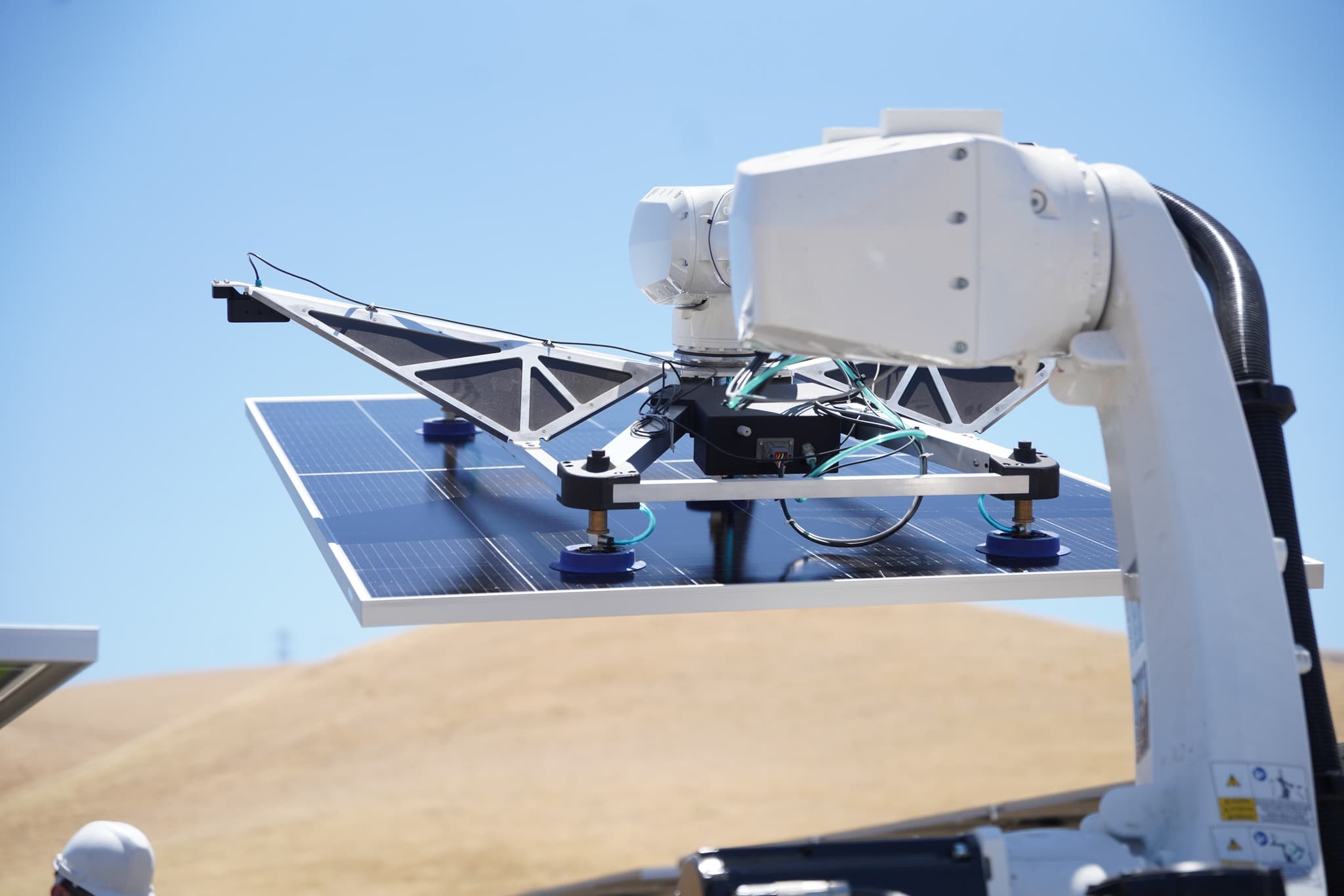
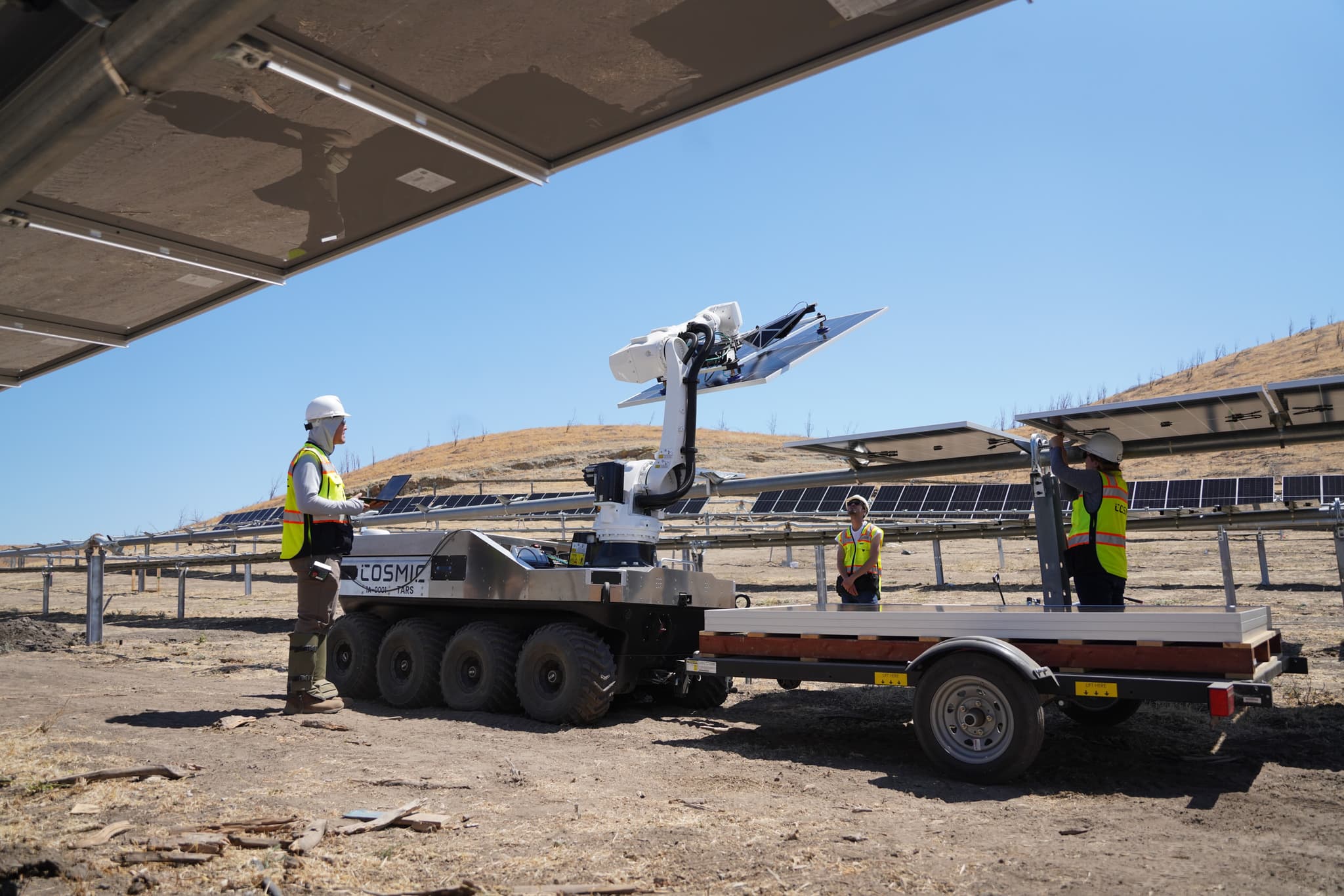
Our documented hardware reference — a 10,000 lb autonomous construction robot shot working a live jobsite at 1x speed. Not fab work; the same environment-first field discipline travels.
 ▶ Play with sound · 01:07
Potential approved facility capture, subject to client-provided gowning, particle, vibration, safety, escort, confidentiality, storage, and review requirements. No public WERZ fab case study is claimed.
Cinematic 60-90 second founder + product films built for Series A/B/C/D semiconductor decks. The asset that anchors the pitch and survives partner-meeting scrutiny.
Foundry-partner narratives, packaging-partner stories, and customer-deployment films. The trust assets that move multi-million-dollar wafer commitments.
Founder, principal engineer, and senior-architect films that convert PhD-level chip-design talent. Mission and day-to-day content that outperforms job-post outreach.
Funding, capability, and tape-out announcements sized for press kits and industry distribution. Short-form video for trade press, IR pages, and PR newsroom assets.
Booth loops, hero reels, and on-stand video for SEMICON West, Hot Chips, ISSCC, IEDM, SPIE Photonics, and category-specific semiconductor industry events.
From the Cosmic Robotics reference package: a title-card-free hero cut plus supporting field clips — the shape of deliverable a semiconductor team can expect from approved-scope capture.
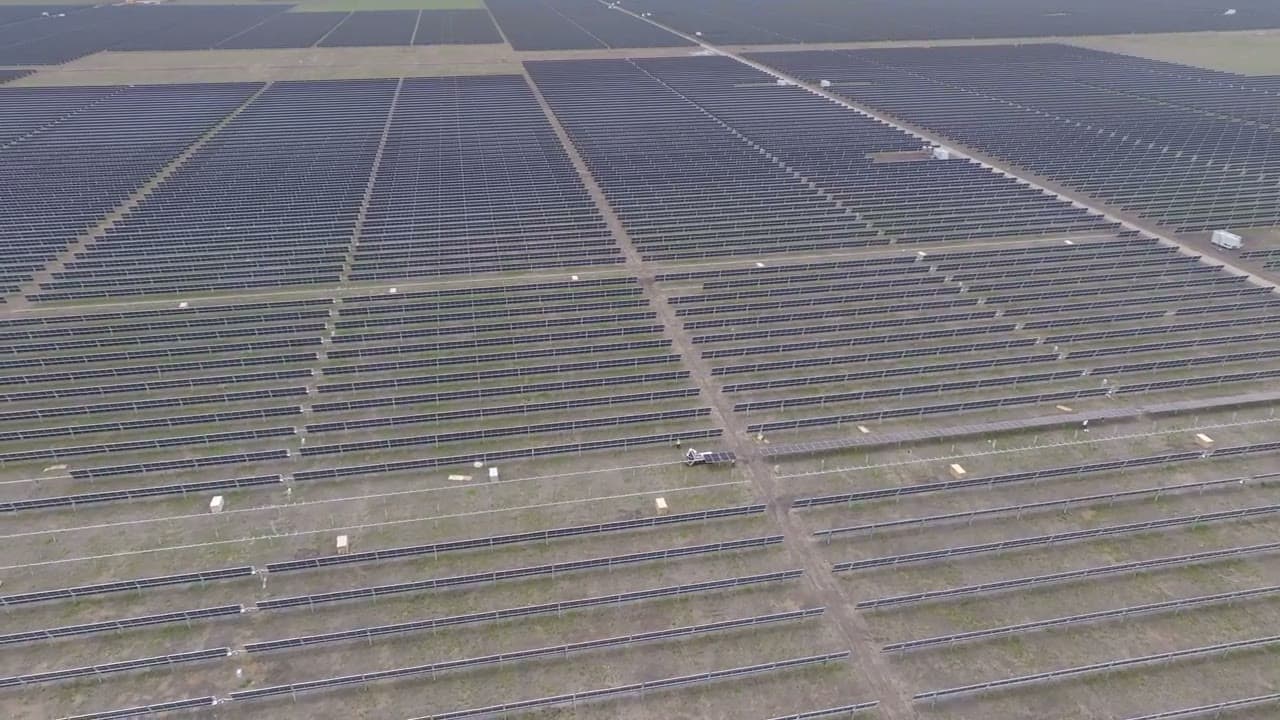 28s hero cut
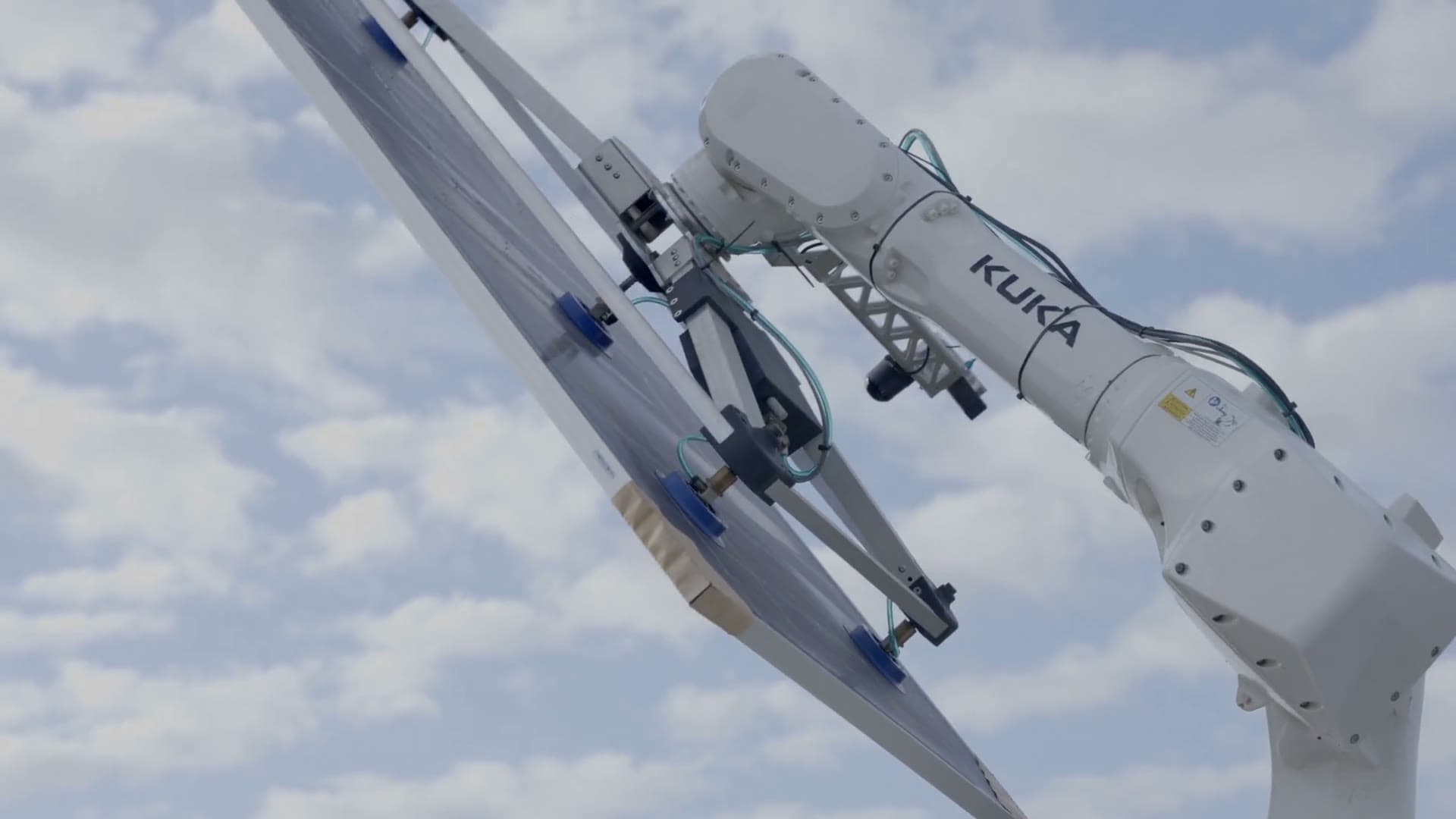 Arm + panel, sky
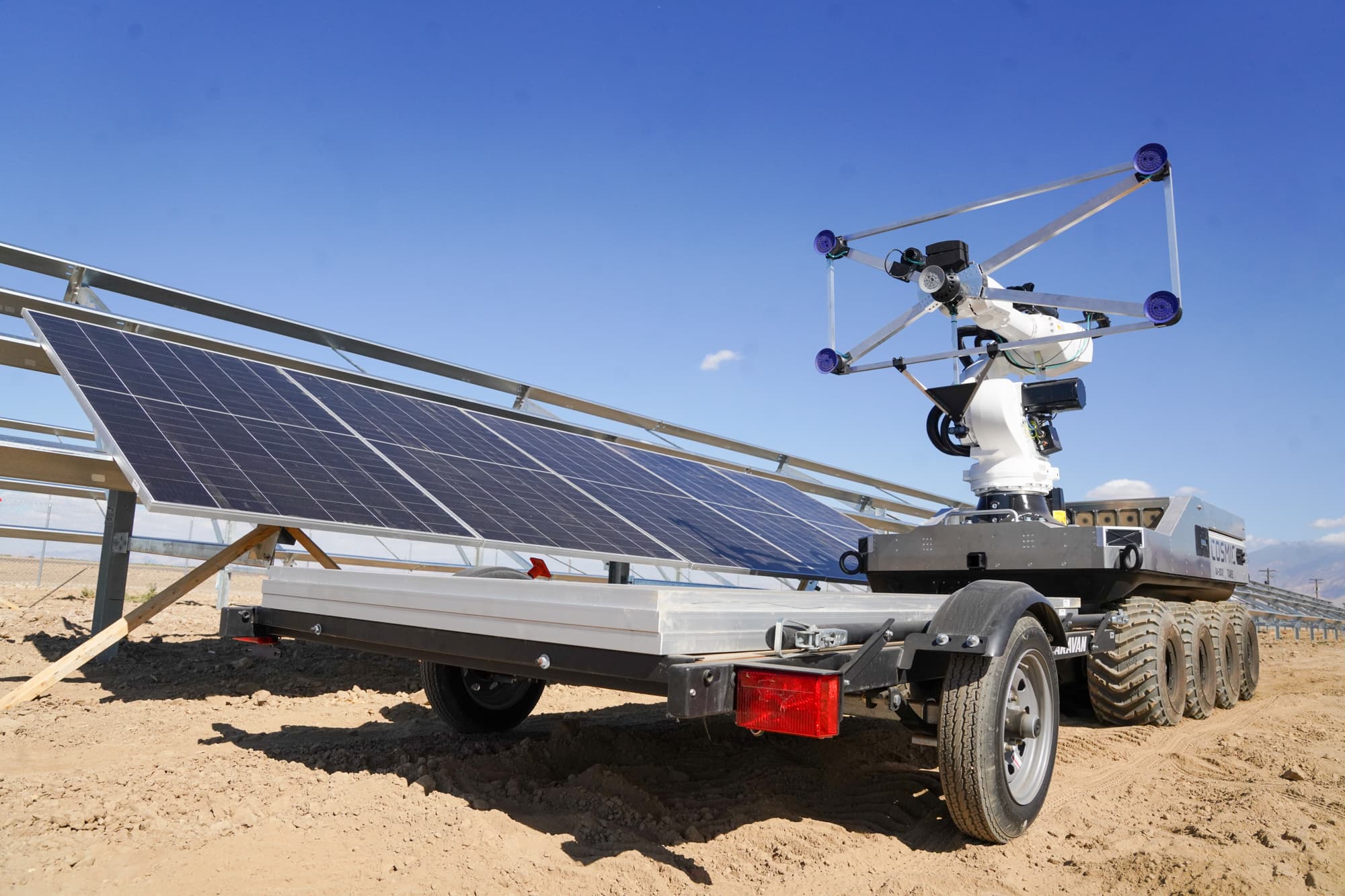
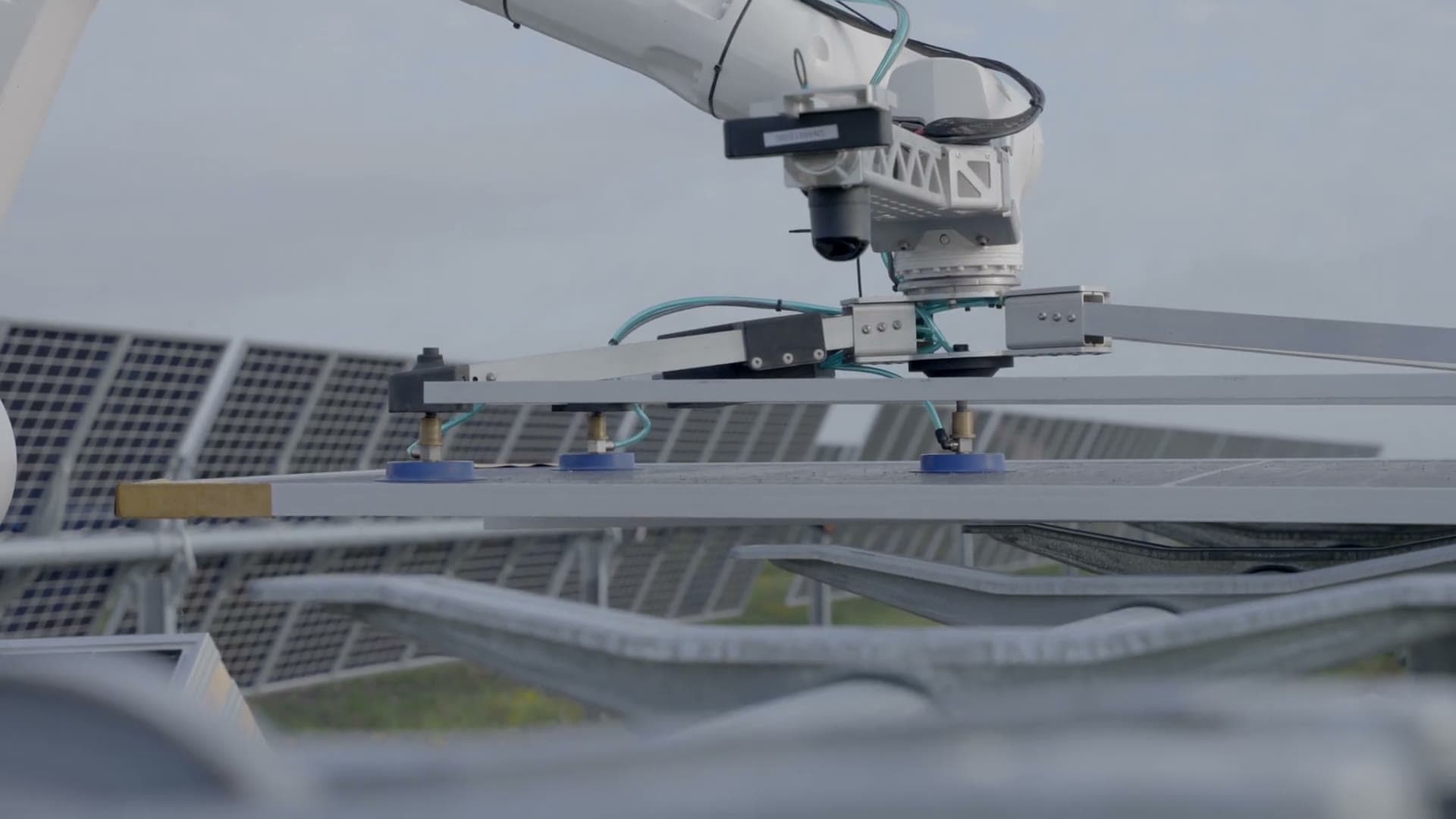 Gripper over rack
 1A-0003 KIPP
 1A-0001 TARS
Before booking, we lock the technical envelope (what the chip / process / system actually does) AND the environment envelope (gowning level, particle posture, vibration tolerance, escort requirements). The shoot is scoped against both, not either.
The client identifies confidentiality, safety, site-access, storage, and approval requirements. WERZ confirms feasibility before accepting the project.
Any facility capture is limited to the accepted written scope and the facility owner's procedures. Crew and equipment are selected only after those requirements are known.
Hero film, capability reel, social cutdowns, deck-embed loops, customer-story versions, and recruiting cuts — all from the same shoot package and all pre-cleared.
Fab or cleanroom production requires the facility owner to define gowning, particle, vibration, safety, escort, confidentiality, storage, and review requirements. WERZ has no public semiconductor-fab case study; it evaluates each proposed scope against those client-provided requirements before booking.
Fab or cleanroom work is accepted only after a client-led requirements and feasibility review. Footage on this page: Cosmic Robotics — our adjacent public hardware reference, not semiconductor-fab work.
Semiconductor video has a particular technical envelope. The product lives inside fabs, packaging facilities, and design labs — environments that do not tolerate the particle load, vibration, or lighting of a commercial film shoot. Most generic brand-film agencies cannot operate inside that envelope at all; the ones that try produce footage that the company cannot publish.
WERZ's adjacent public hardware reference is Cosmic Robotics: founder, factory, deployment, and aerial production for physical technology. It is not evidence of semiconductor-fab or cleanroom experience.
A semiconductor inquiry starts with the client's written environment requirements. WERZ then evaluates whether it can safely and accurately support the site, crew, equipment, capture, storage, review, and deliverables. A project is not represented as accepted or compliant before that review.
Fab and cleanroom shoots fail when the agency does not understand the environment. Gowning, particle posture, and low-vibration support are the first questions, not the last.WERZ — Semiconductor Approach
Potentially, after review. The facility owner must provide gowning, particle, vibration, safety, escort, confidentiality, storage, and review requirements. WERZ has no public semiconductor-fab case study and will confirm feasibility before accepting a shoot.
We quote each semiconductor project after a requirements review. As a starting point, films follow our launch and investor film tiers, $10,000-$20,000, $20,000-$40,000 or $40,000-$80,000 depending on scale; multi-site programs are scoped separately. Pricing reflects environment overhead (gowning, escort, vibration), NDA workflow, and pre-cleared edit cycles.
The client must define confidentiality, access, storage, retention, transfer, and approval requirements. WERZ reviews those controls before accepting the project and documents the workflow in the scope; it does not advertise a generic storage or compliance posture that may not fit the facility.
Chip design (analog, digital, mixed-signal), advanced packaging, photonics, MEMS, power semiconductors, RF, sensors, and semiconductor capital equipment. We do not specialize in semiconductor EDA software pure-play (those are SaaS shoots) — for those, see our SaaS industry page.
WERZ is based in Fresno, California, and can travel for an approved scope. It does not claim a Silicon Valley office or dedicated semiconductor crew base.
Pricing is scope-based, not template-based. We define deliverables, audience, locations, crew, and revisions before quoting — so the budget reflects actual production needs rather than a pre-set tier.
Yes. A fixed budget works best when deliverables, locations, revision rounds, and timeline are clear before production starts. We will tell you what is achievable inside the budget rather than promise more than the scope supports.
Both. Most marketing and web programs run as monthly retainers (strategy, content, optimization). Video and brand projects are typically scoped per engagement, with optional content retainers for ongoing assets.
Discovery and strategy run 1–2 weeks; production and build run 3–8 weeks depending on scope; launch and iteration kicks off after delivery. Marketing programs are ongoing with measurable milestones at month one, month three, and month six.
Yes, when the scope and approval lanes are tight. Rush projects work best when the team can lock decisions quickly and accept fewer revision rounds. We will tell you upfront if a deadline is unrealistic for the scope.
Tell us the company, public story, site, and client-defined environment requirements. We will confirm whether WERZ can support the scope before any production date is locked.
Not ready for a call? Send a brief — written reply within one business day — or estimate your budget in two minutes.