
Capability films
Cinematic films built from real, client-approved capability footage rather than generic stock. Structured for technical review and high-consideration buyer conversations.
Capability, recruiting, and founder narrative for defense, dual-use hardware, autonomous systems, ISR, and DoD-adjacent companies — planned around client-defined site access and release controls. Footage on this page: Cosmic Robotics — our adjacent public hardware reference, not defense-specific work.
Adjacent public reference
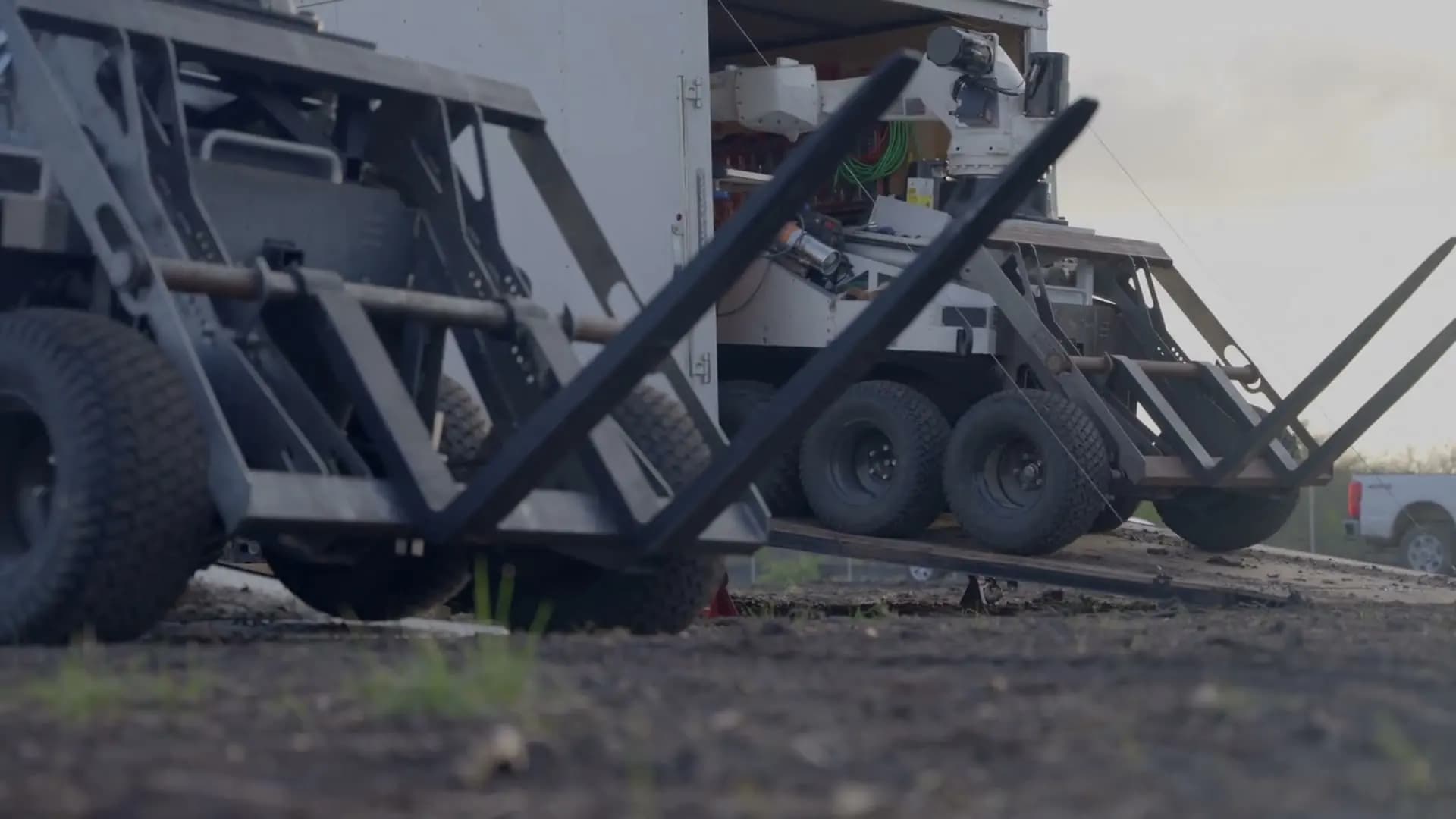
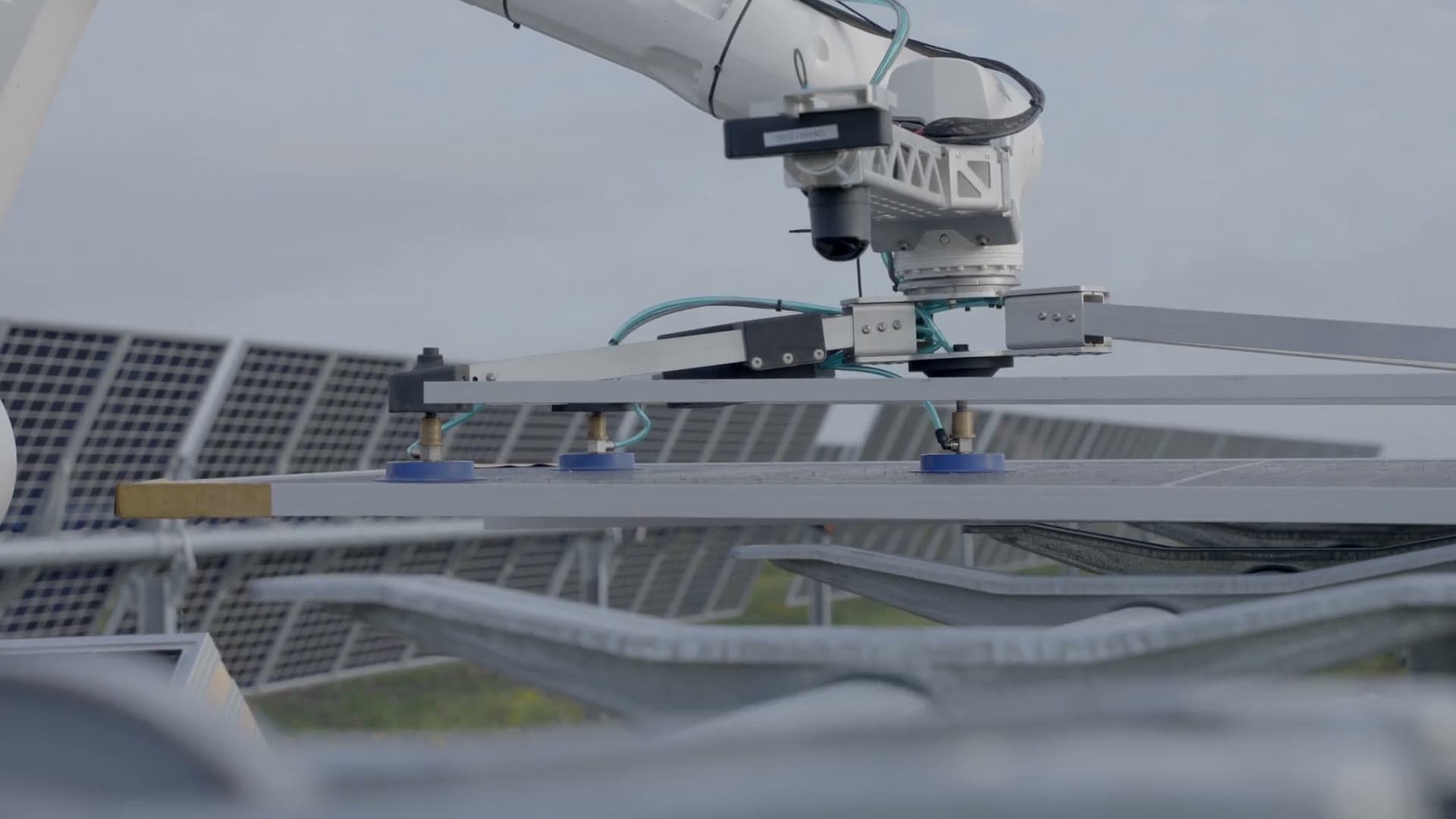
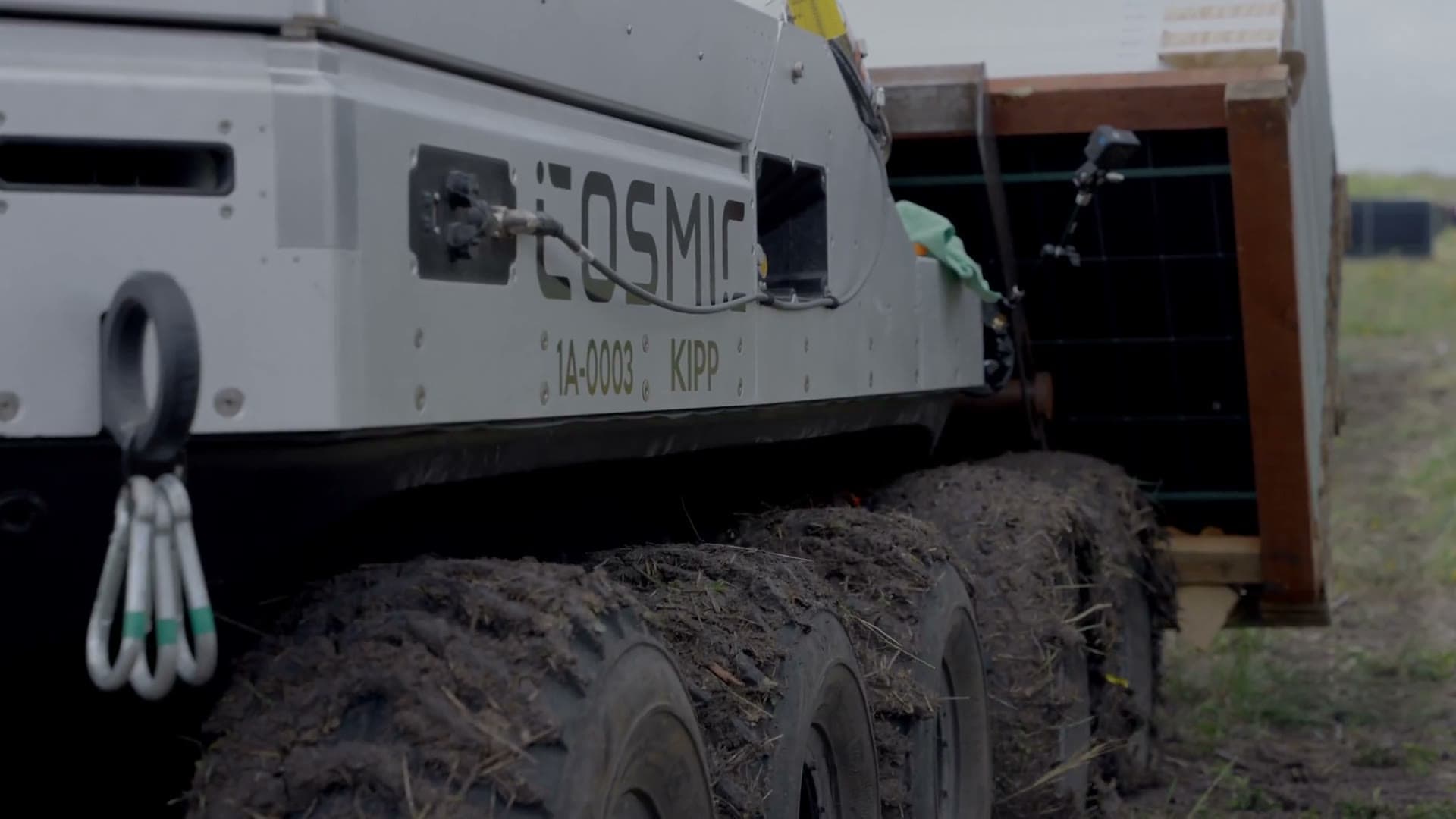
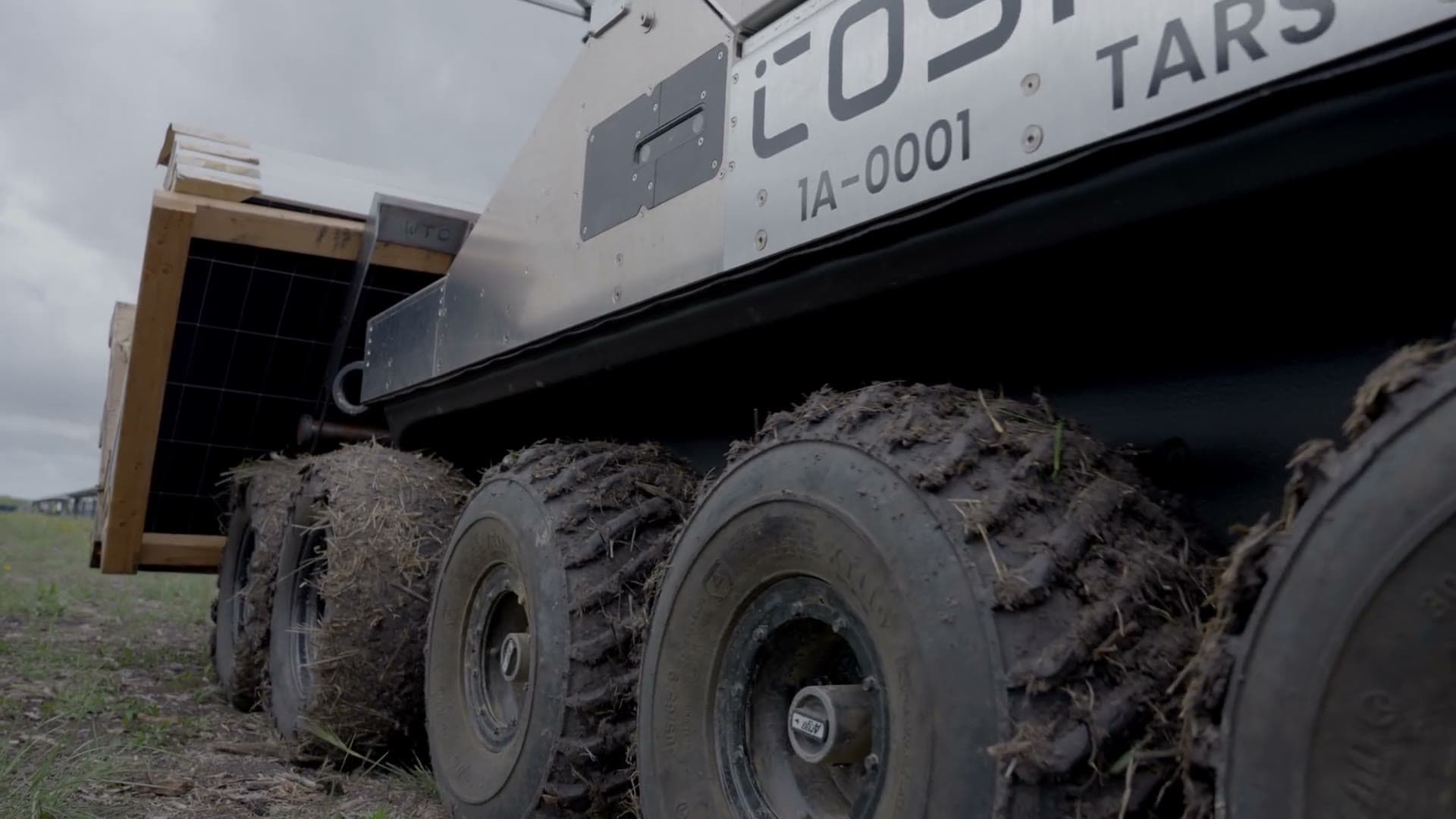
Our documented hardware reference — a 10,000 lb autonomous construction robot shot working a live jobsite at 1x speed. Not defense work; the same disclosure-first field discipline travels.

Defense tech video has a different brief than commercial brand film. The audience is split: senior engineers evaluating whether to join, DoD and prime sales teams running enterprise sales cycles, and investors evaluating whether the capability is real. The footage has to be credible to all three groups — without revealing anything that should not be revealed.
WERZ can apply its hardware-focused brand film process to an eligible controlled-access project. Before crew is booked, the client defines the site rules, restricted subjects, storage requirements, and approval chain. WERZ then confirms whether it can support those written requirements.
Deliverables are limited to what the company approves for release: capability films built from releasable footage, founder profiles for fundraising and recruiting, customer or partner stories inside the disclosure envelope, and trade-show loops for events such as AUSA and AUVSI. Our closest public reference is the multi-site Cosmic Robotics case study; defense-specific controls are agreed project by project.
Reference footage
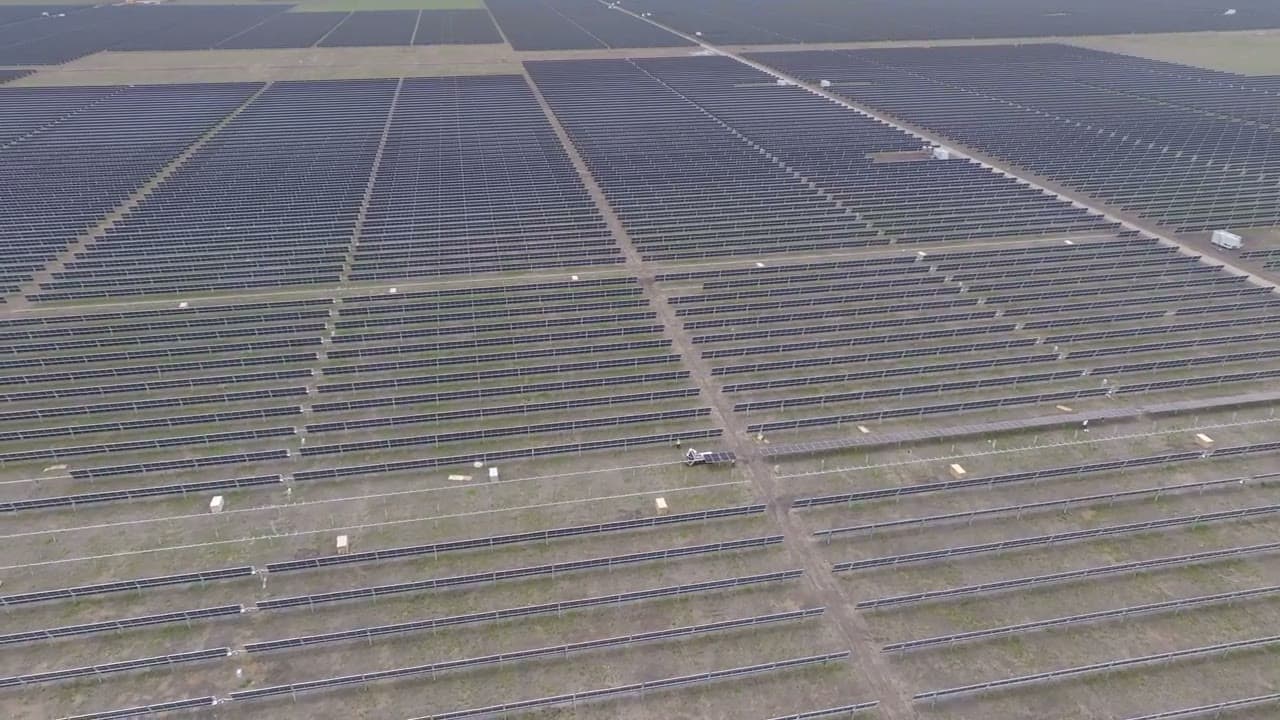
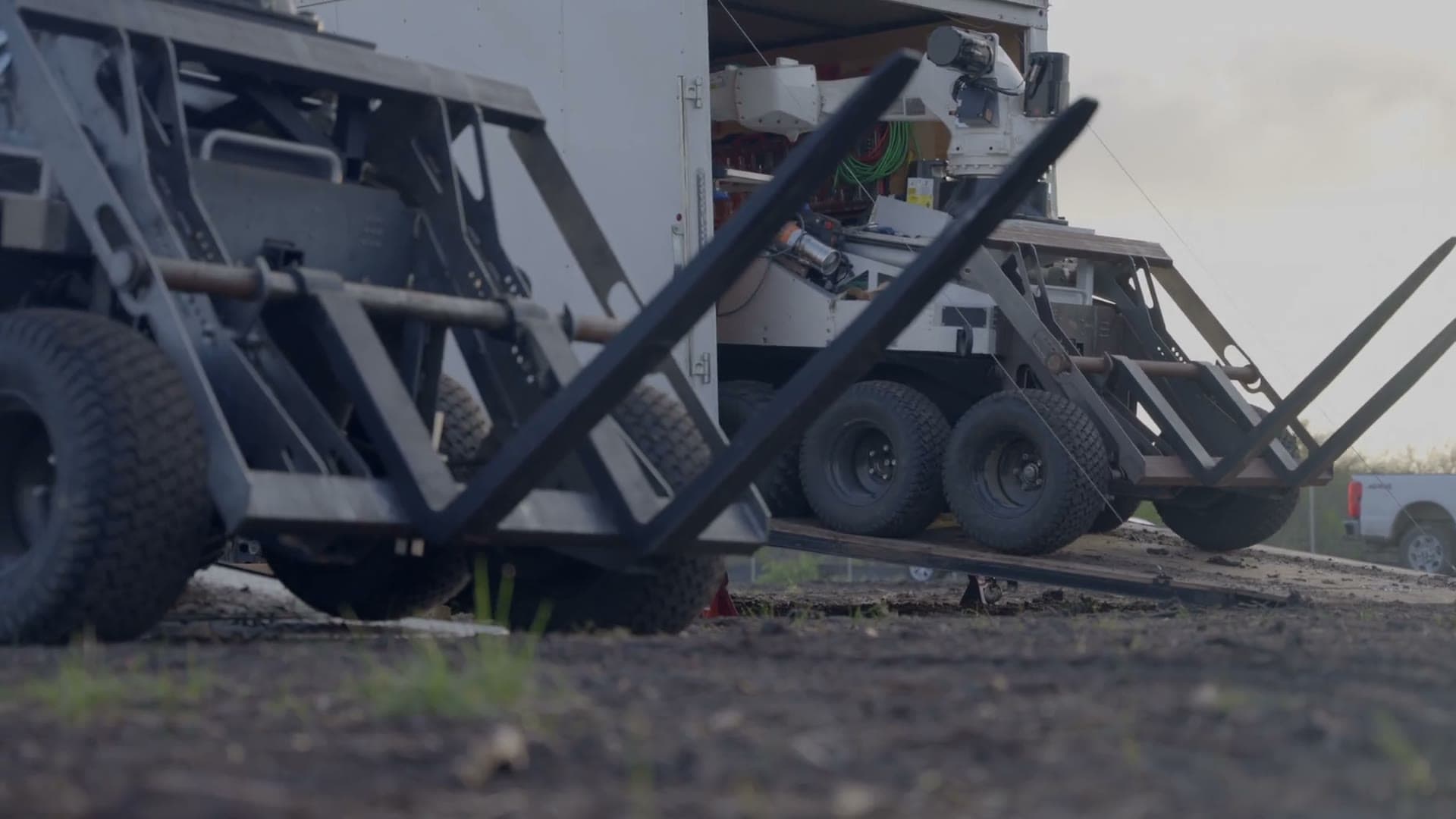
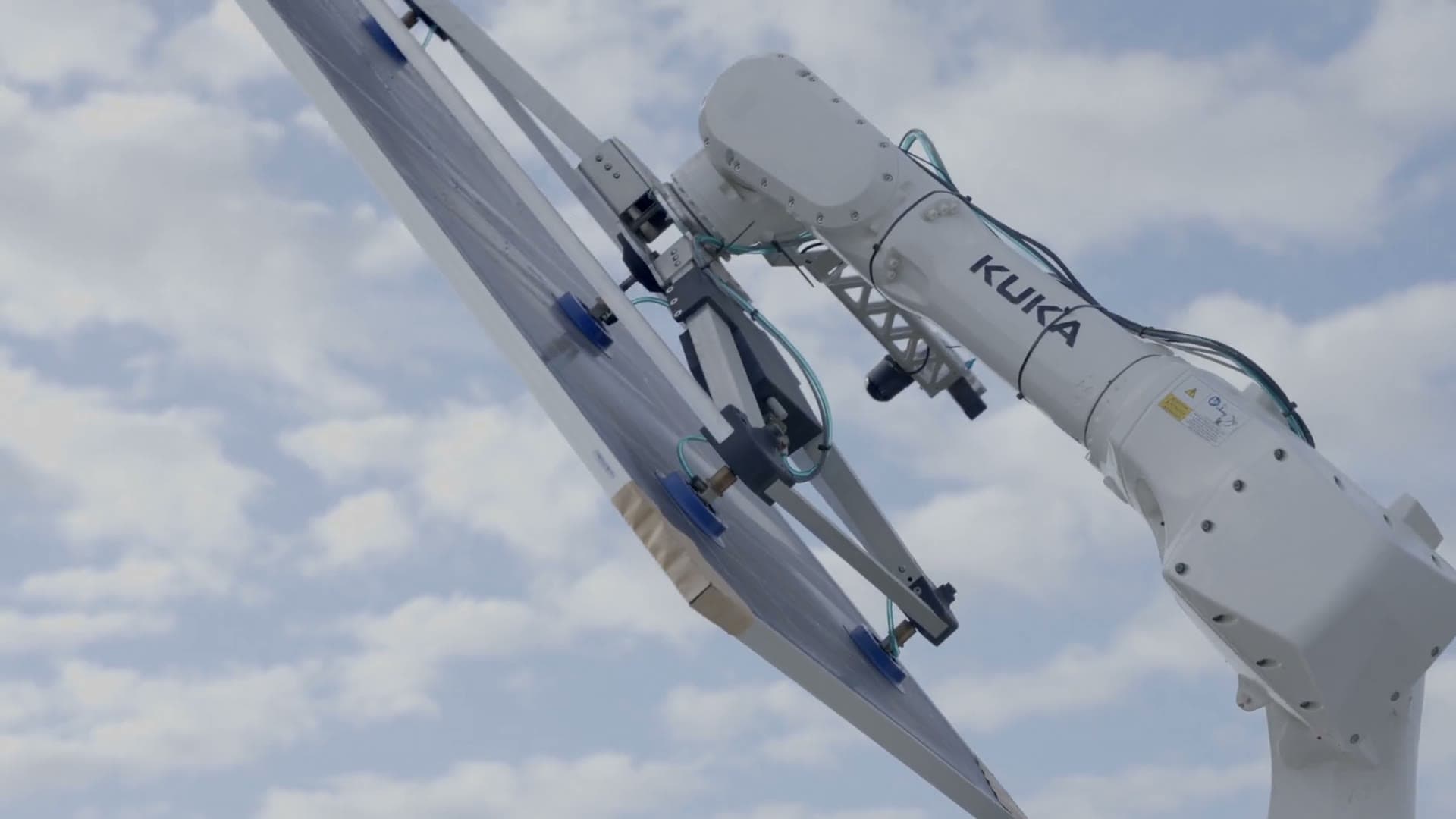
From the Cosmic Robotics reference package: a title-card-free hero cut plus supporting field clips — the shape of releasable deliverable a defense team can expect inside its envelope.
Capabilities
Cinematic films built from real, client-approved capability footage rather than generic stock. Structured for technical review and high-consideration buyer conversations.

60-90 second cinematic founder + product films built for Series A/B/C decks, board updates, and partner pitches. Built around what is shippable today, scoped to the public disclosure envelope.

Senior-engineer and mission-aligned-talent films that convert defense-grade candidates without revealing program detail. The work that explains the mission and the day-to-day without revealing the work.
Test-stand footage, integration-site shoots, factory walkthroughs, and field deployment capture under a client-defined access, storage, and release plan.
Customer-deployment narratives sized to the disclosure envelope — prime contractor stories, DoD-adjacent customer stories, and dual-use partner narratives.
Booth loops, hero reels, on-stand video, and demo-day pitch films for AUSA, AUVSI, SAE, SPIE, NDIA, and category-specific defense industry events.
Process
Before booking, the client identifies what is releasable, restricted, or subject to legal review. WERZ confirms whether it can work inside that written boundary before accepting the project.
The client identifies applicable NDA, export-control, classification, escort, citizenship, and storage requirements. WERZ confirms whether the requested production can be staffed and operated inside those requirements before booking.
Multi-day shoots across test stands, integration sites, factories, and founder interviews. Every shot framed inside the disclosure envelope — flagged at capture, not at edit.
Edits are reviewed and pre-cleared by the client (and legal where relevant) before delivery. Hero film, social cutdowns, deck-embed loops, recruiting cuts — all sized to the public envelope.
Use cases
Cinematic founder + product films built for the investor deck, scoped to the public envelope, and built to convince partners who have already seen a hundred defense tech pitches.
Mission-aligned candidates respond to films that explain the work without revealing the work. The films that convert at this level look nothing like commercial recruiting content.
Capability films and customer-deployment narratives that move long enterprise defense sales cycles. Sized to what can actually be shown.
Prime contractor, DoD-adjacent customer, and dual-use partner narratives — all inside the disclosure envelope, all pre-cleared.
Booth loops, hero reels, demo-day pitch films, and on-stand video for defense industry events.
Funding announcements, capability announcements, and partnership press — short-form video sized for press kits and constrained-channel distribution.
Quick answer
A defense tech production plan should define who may enter the site, what may be filmed, where footage may be stored, and who approves each release. WERZ can evaluate capability, founder, investor, and recruiting-film scopes; the client and its counsel remain responsible for export-control and classification decisions.
FAQ
Potentially, after a requirements review. The client and its counsel must identify the applicable export-control, classification, citizenship, site-access, and storage rules. WERZ does not determine legal status or provide compliance advice; we confirm whether the production plan and crew can operate within the client-approved controls before accepting the shoot.
A focused founder or capability film commonly starts around $20,000-$35,000. Multi-day or multi-site programs with additional reviews, customer stories, recruiting cuts, and restricted-site logistics are scoped separately. Final pricing depends on access rules, crew size, locations, deliverables, and the approval process.
Before any production date, the client documents what is releasable, restricted, or subject to review. WERZ converts that into a crew-access map, approved shot list, footage-handling plan, and release gate. Client and legal review remain part of the approval chain where required.
We can evaluate the process before accepting the project. The scope must identify vendor onboarding, site access, insurance, crew eligibility, storage, and communications-review requirements. If WERZ cannot meet a requirement, we surface that before production is booked.
Autonomous systems (air, ground, maritime, subsurface), ISR and sensors, defense electronics, dual-use hardware, additive manufacturing for defense, defense-adjacent space tech, and DoD software/AI when the team needs hardware-quality production. We do not specialize in pure-software cyber (those are SaaS shoots).
Pricing is scope-based, not template-based. We define deliverables, audience, locations, crew, and revisions before quoting — so the budget reflects actual production needs rather than a pre-set tier.
Yes. A fixed budget works best when deliverables, locations, revision rounds, and timeline are clear before production starts. We will tell you what is achievable inside the budget rather than promise more than the scope supports.
Both. Most marketing and web programs run as monthly retainers (strategy, content, optimization). Video and brand projects are typically scoped per engagement, with optional content retainers for ongoing assets.
Discovery and strategy run 1–2 weeks; production and build run 3–8 weeks depending on scope; launch and iteration kicks off after delivery. Marketing programs are ongoing with measurable milestones at month one, month three, and month six.
Yes, when the scope and approval lanes are tight. Rush projects work best when the team can lock decisions quickly and accept fewer revision rounds. We will tell you upfront if a deadline is unrealistic for the scope.
Get started
Tell us the company, sub-vertical, stage, deliverables, and client-defined disclosure requirements. We will scope crew, sites, access controls, review gates, and the deliverable package before a production date is locked.
Have one specific question? Email hello@werz.ai