
Test-stand documentation
Propulsion test stands, structural test articles, environmental chambers, and qualification campaigns. Multi-camera capture coordinated around real test schedules.
Project planning for launch, satellite, propulsion, eVTOL, and aerospace-hardware teams.
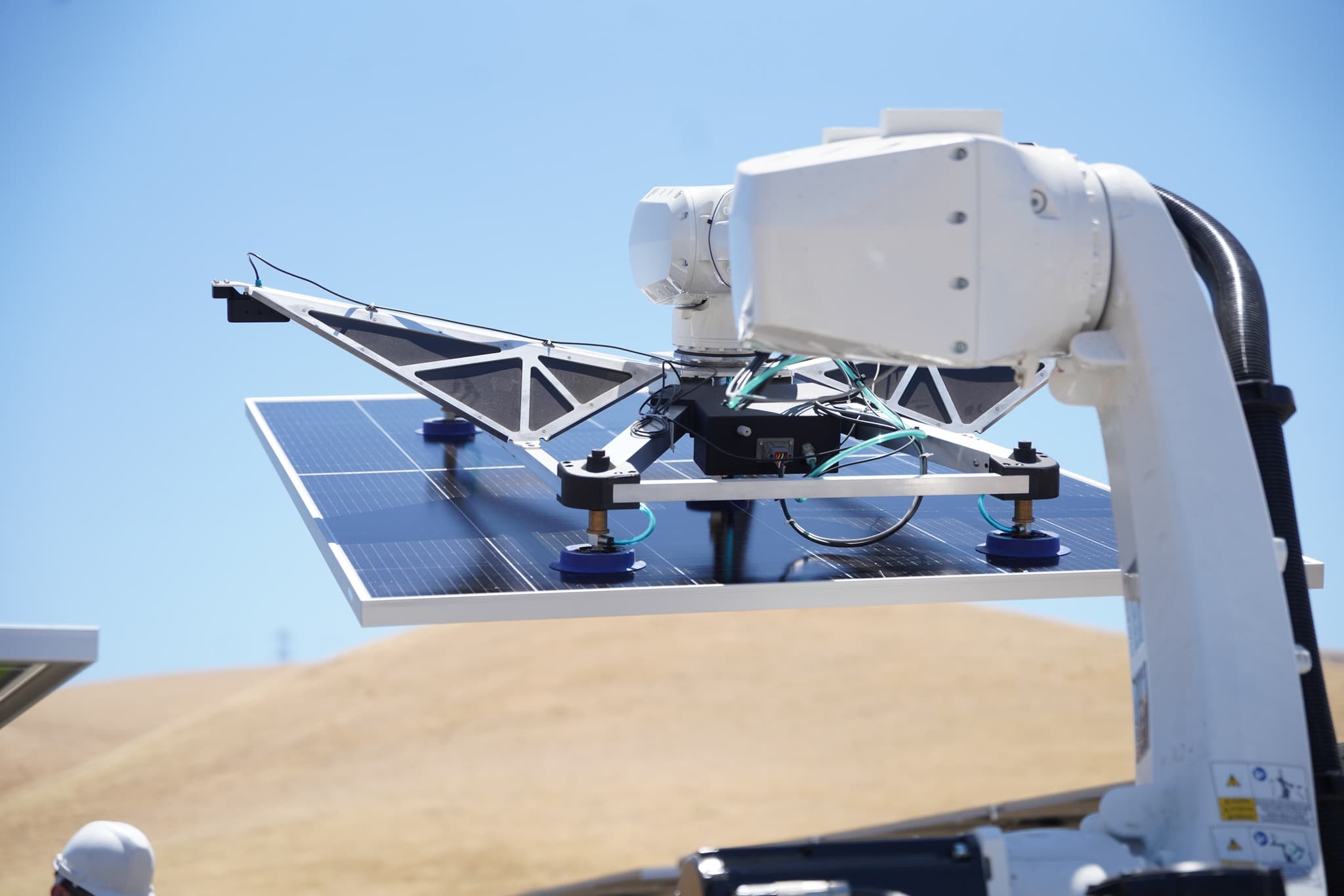
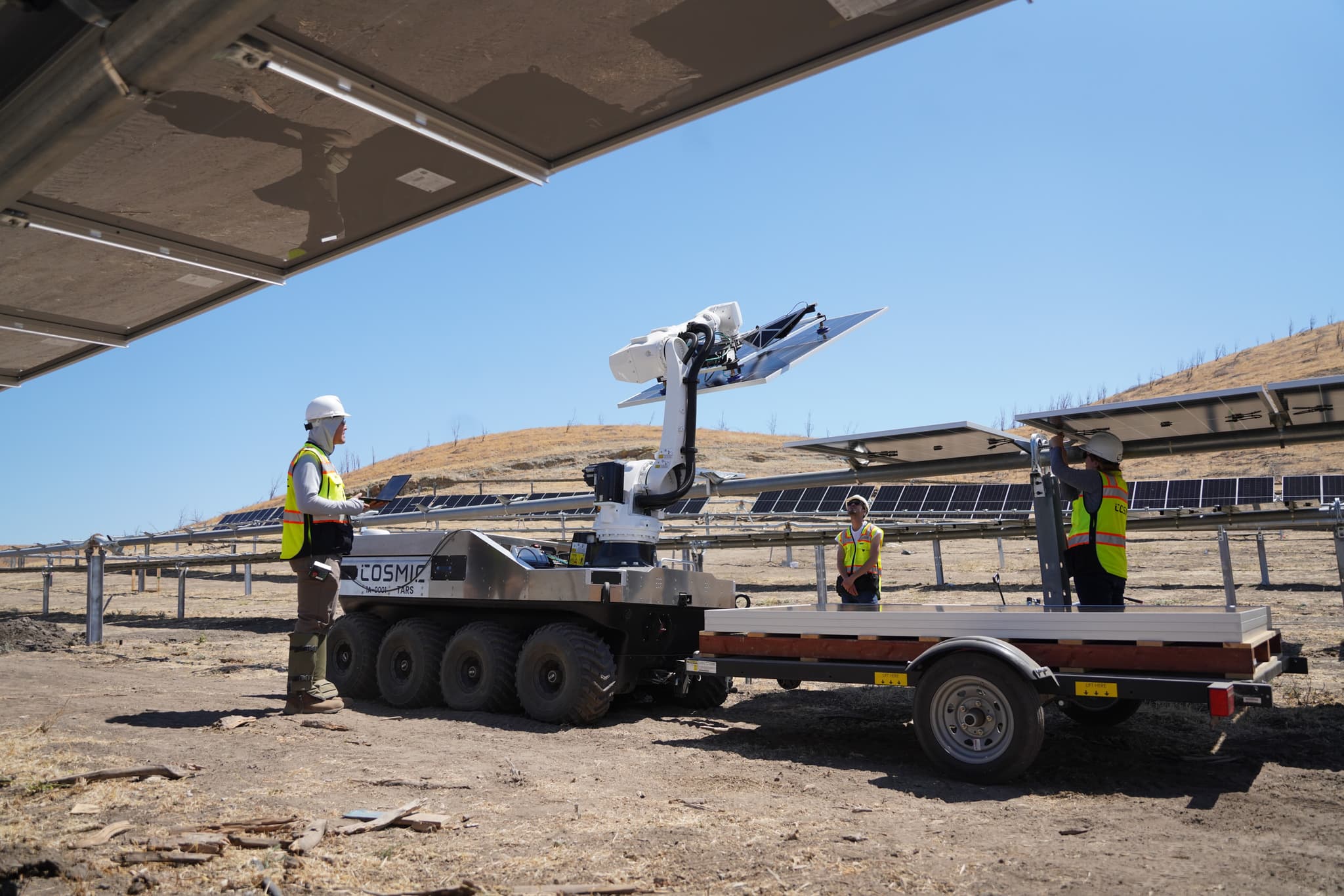
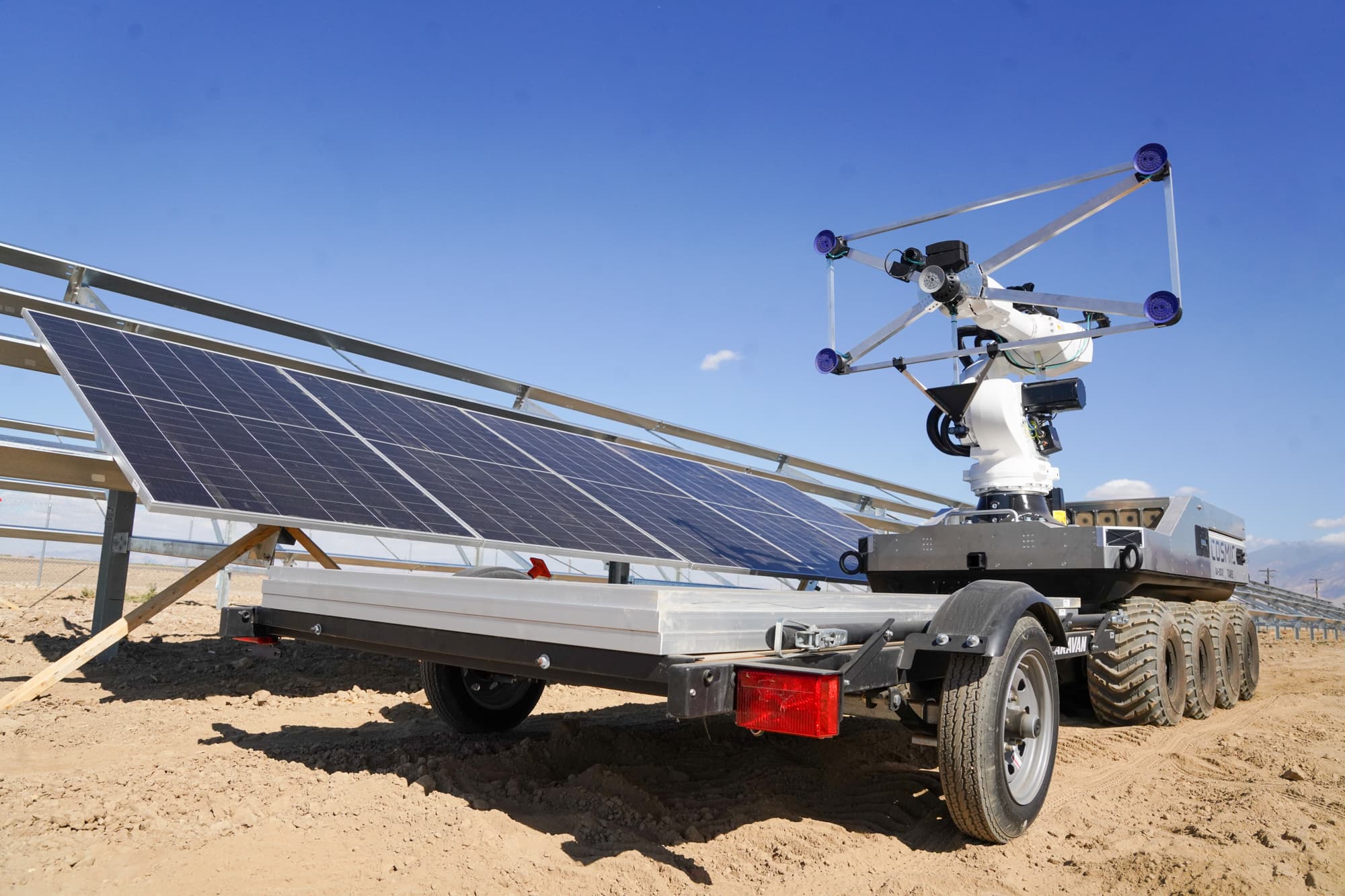
Our documented hardware reference — a 10,000 lb autonomous construction robot shot working a live jobsite at 1x speed. Not aerospace work; the same test-schedule field discipline travels.
 ▶ Play with sound · 01:07
Propulsion test stands, structural test articles, environmental chambers, and qualification campaigns. Multi-camera capture coordinated around real test schedules.
Potential approved integration, assembly, vehicle, or engine-floor capture. The client provides cleanliness, safety, access, storage, and review requirements; WERZ confirms feasibility before booking.
Cinematic 60-90 second founder + product films for Series A/B/C aerospace decks. Built around what is shippable today, scoped to the public disclosure envelope.
Site-scale aerial for aerospace factories, integration buildings, eVTOL test sites, and hangars. We coordinate Part 107 with site security and local TFRs — launch-pad aerial is FAA-restricted, captured by the operator.
Founder, chief engineer, and senior-architect films built to convert senior aerospace candidates. Mission, day-to-day, and engineering specificity that job posts cannot deliver.
Satellite operator narratives, launch-services customer stories, eVTOL fleet-operator stories, and DoD-adjacent partner films. All inside the disclosure envelope, all pre-cleared.
From the Cosmic Robotics reference package: a title-card-free hero cut plus supporting field clips — the shape of deliverable an aerospace team can expect from a shoot day.
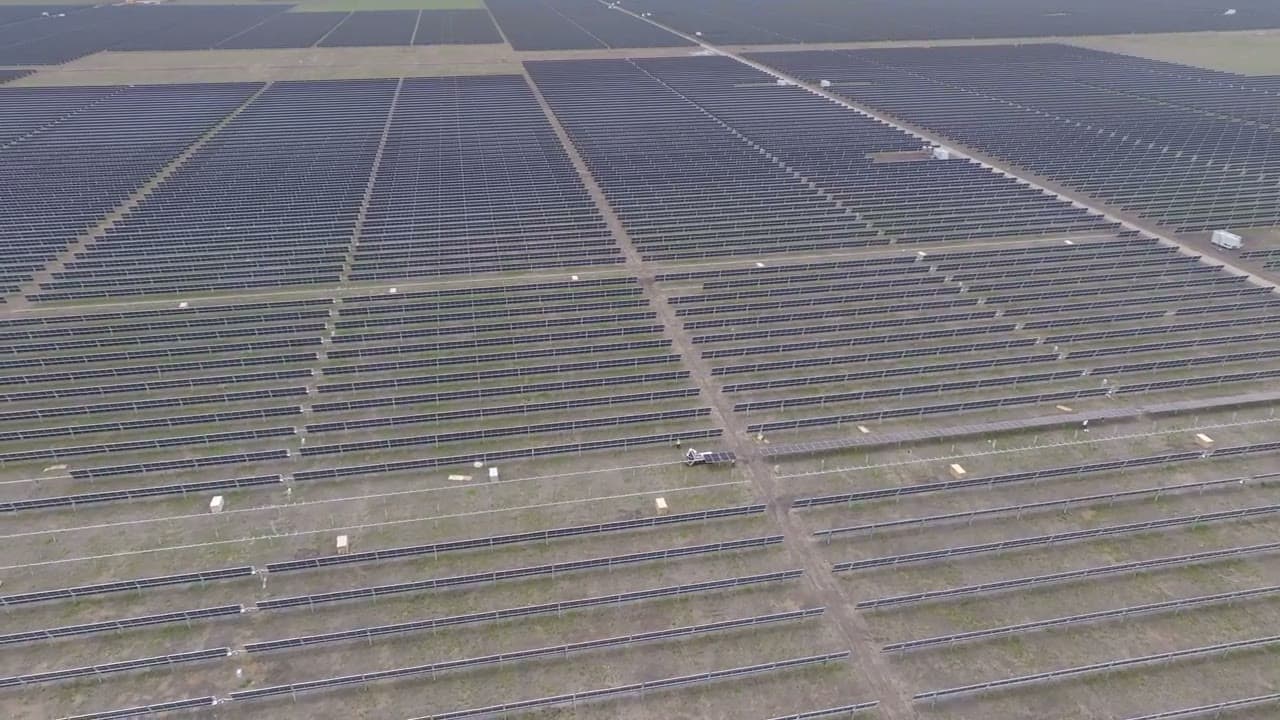 28s hero cut
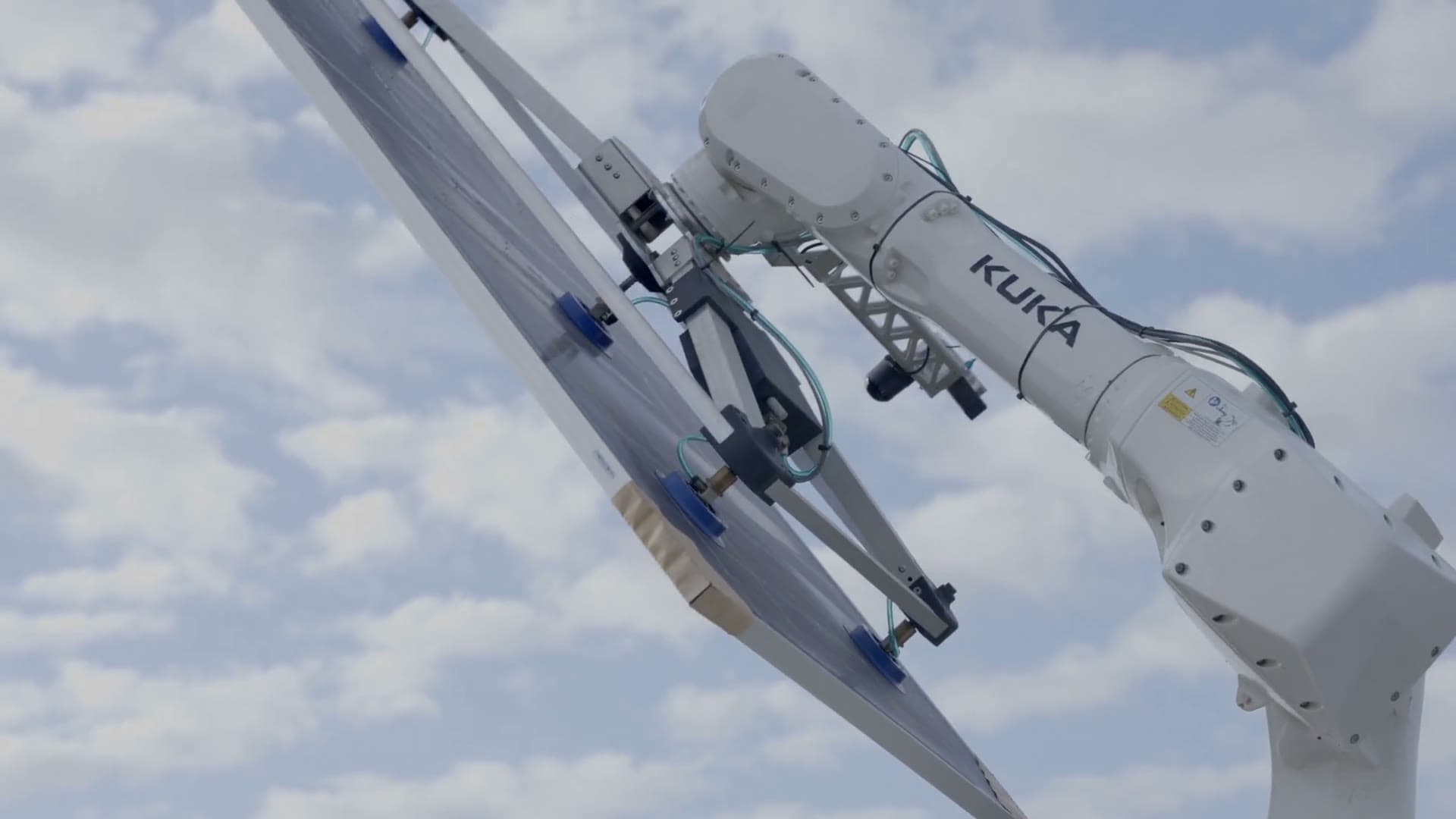 Arm + panel, sky
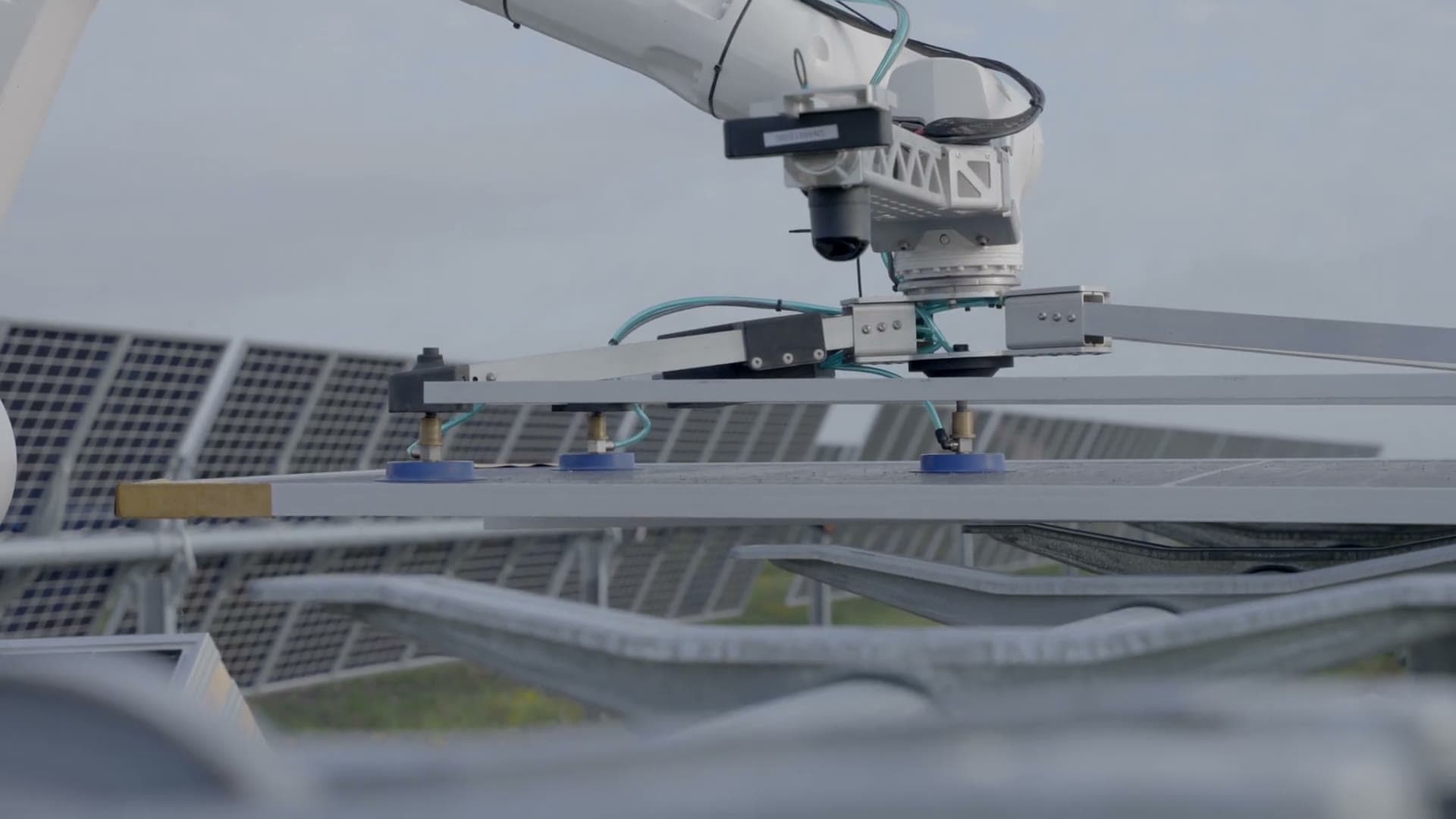 Gripper over rack
 1A-0003 KIPP
 1A-0001 TARS
Aerospace operations do not move for the production. We scope the shoot around the actual test campaign, integration window, or vehicle build calendar — not the other way around.
The client and its counsel identify confidentiality, export-control, safety, access, storage, and approval requirements. WERZ accepts or declines the scope after reviewing those controls.
Multi-day shoots across test stands, integration buildings, factories, hangars, and founder interviews. Ground + Part 107 aerial paired where the facility envelope permits.
Hero film, capability reel, social cutdowns, deck-embed loops, customer-story versions, and recruiting cuts — all from the same shoot, all pre-cleared.
Aerospace video can combine founder narrative, approved factory or test-site capture, and aerial where the site and airspace permit it. WERZ's adjacent public reference is Cosmic Robotics field production; aerospace access, safety, export-control, and disclosure requirements must be defined by the client and reviewed before booking.
Regulated or safety-critical scopes are evaluated against client-provided requirements before booking. Footage on this page: Cosmic Robotics — our adjacent public hardware reference, not aerospace-specific work.
Aerospace video has a particular gravity. The product is physical, expensive, and slow to iterate. Test campaigns happen on a schedule; integration windows are short; launch operations are airspace-constrained. Generic brand-film agencies cannot operate inside that envelope without dropping deliverables.
WERZ's adjacent public reference is Cosmic Robotics: founder, factory, deployment, and aerial footage for physical technology in the field. It demonstrates hardware storytelling, not completed aerospace production.
For an aerospace inquiry, the client identifies site access, safety, export-control, disclosure, airspace, storage, and review requirements. WERZ evaluates whether it can support those requirements and scopes only the accepted capture and deliverables. WERZ does not determine ITAR or other regulatory status.
Aerospace integration windows do not wait for the agency. The crew that shows up ready, gowned, NDA-signed, and on the test schedule is the crew that gets booked again.WERZ — Aerospace Approach
Potentially. The client must provide the site, safety, access, export-control, disclosure, storage, and review requirements. WERZ then evaluates feasibility and confirms in writing what it can support before booking. The Cosmic Robotics work shown here is an adjacent hardware reference, not aerospace-specific experience.
WERZ does not claim launch-facility or aerospace-drone experience. Sebastian Werz holds an FAA Part 107 remote-pilot certificate, but any proposed flight still depends on airspace, site permission, safety, insurance, operating restrictions, and client approval. Aerospace aerial is evaluated case by case.
We quote each aerospace project after a requirements review. As a starting point, films follow our launch and investor film tiers, $10,000-$20,000, $20,000-$40,000 or $40,000-$80,000 depending on scale; multi-site programs are scoped separately. Pricing reflects operating envelope, NDA workflow, and multi-day field shooting.
WERZ will consider founder stories, public product demonstrations, approved factory or test-site capture, recruiting content, and aerial where the site and airspace permit it. Restricted or regulated work is accepted only after client-provided requirements are reviewed.
WERZ is based in Fresno, California and available across the US and for projects in Germany. We scope travel, local crew, site access and filming restrictions for each project, including aerospace facilities in California and other locations.
Pricing is scope-based, not template-based. We define deliverables, audience, locations, crew, and revisions before quoting — so the budget reflects actual production needs rather than a pre-set tier.
Yes. A fixed budget works best when deliverables, locations, revision rounds, and timeline are clear before production starts. We will tell you what is achievable inside the budget rather than promise more than the scope supports.
Both. Most marketing and web programs run as monthly retainers (strategy, content, optimization). Video and brand projects are typically scoped per engagement, with optional content retainers for ongoing assets.
Discovery and strategy run 1–2 weeks; production and build run 3–8 weeks depending on scope; launch and iteration kicks off after delivery. Marketing programs are ongoing with measurable milestones at month one, month three, and month six.
Yes, when the scope and approval lanes are tight. Rush projects work best when the team can lock decisions quickly and accept fewer revision rounds. We will tell you upfront if a deadline is unrealistic for the scope.
Tell us the company, platform, schedule, site, public-disclosure boundary, and any client-defined legal or safety requirements. We will confirm whether the scope is one WERZ can support.
Not ready for a call? Send a brief — written reply within one business day — or estimate your budget in two minutes.