Field + install documentation
Substation, solar field, storage install, EV charging build-out, geothermal well pad, and grid-edge deployment shoots. Multi-day crews, ground + Part 107 aerial, color-matched in post.
Project planning for grid hardware, storage, EV infrastructure, geothermal, solar, and other energy technologies. WERZ's public proof is Cosmic Robotics solar-construction work; other environments are evaluated individually.
Quick answer
Energy-tech stories may involve factories, test sites, deployments, and infrastructure. WERZ's named public reference is Cosmic Robotics solar-construction work; substation, nuclear, fusion, lab, or other restricted sites require a separate client-led feasibility review before booking.
By the numbers
Energy tech is hardware that lives at the grid scale. Substations, fusion test devices, nuclear modular reactors, storage installs, EV-charging build-outs, geothermal well pads, and utility-scale solar. The buyers are utilities, IPPs, large industrials, DoE programs, and Series B/C investors who have already seen a hundred ‘innovation’ decks. Generic brand-film agencies cannot capture this kind of physical infrastructure credibly.
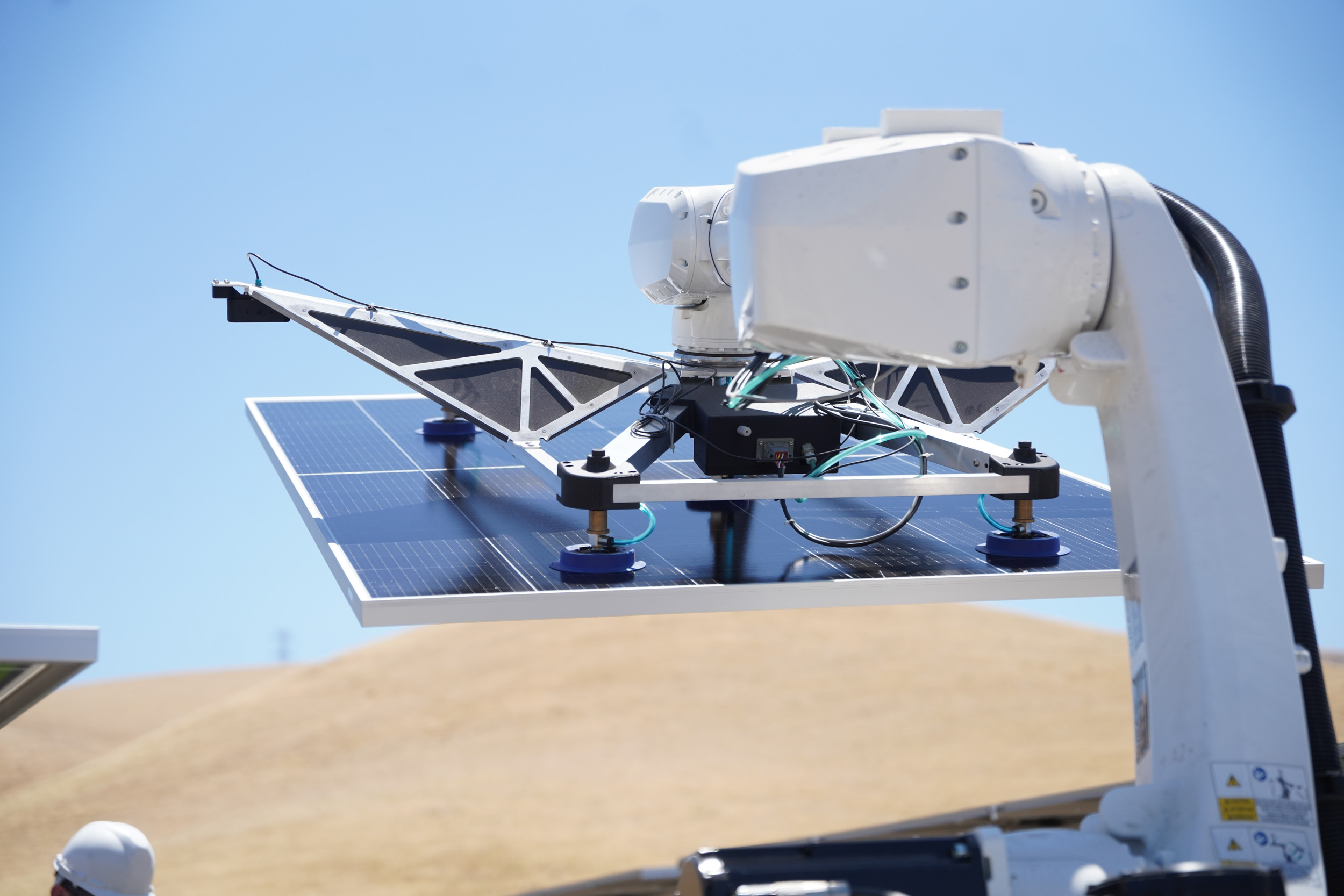
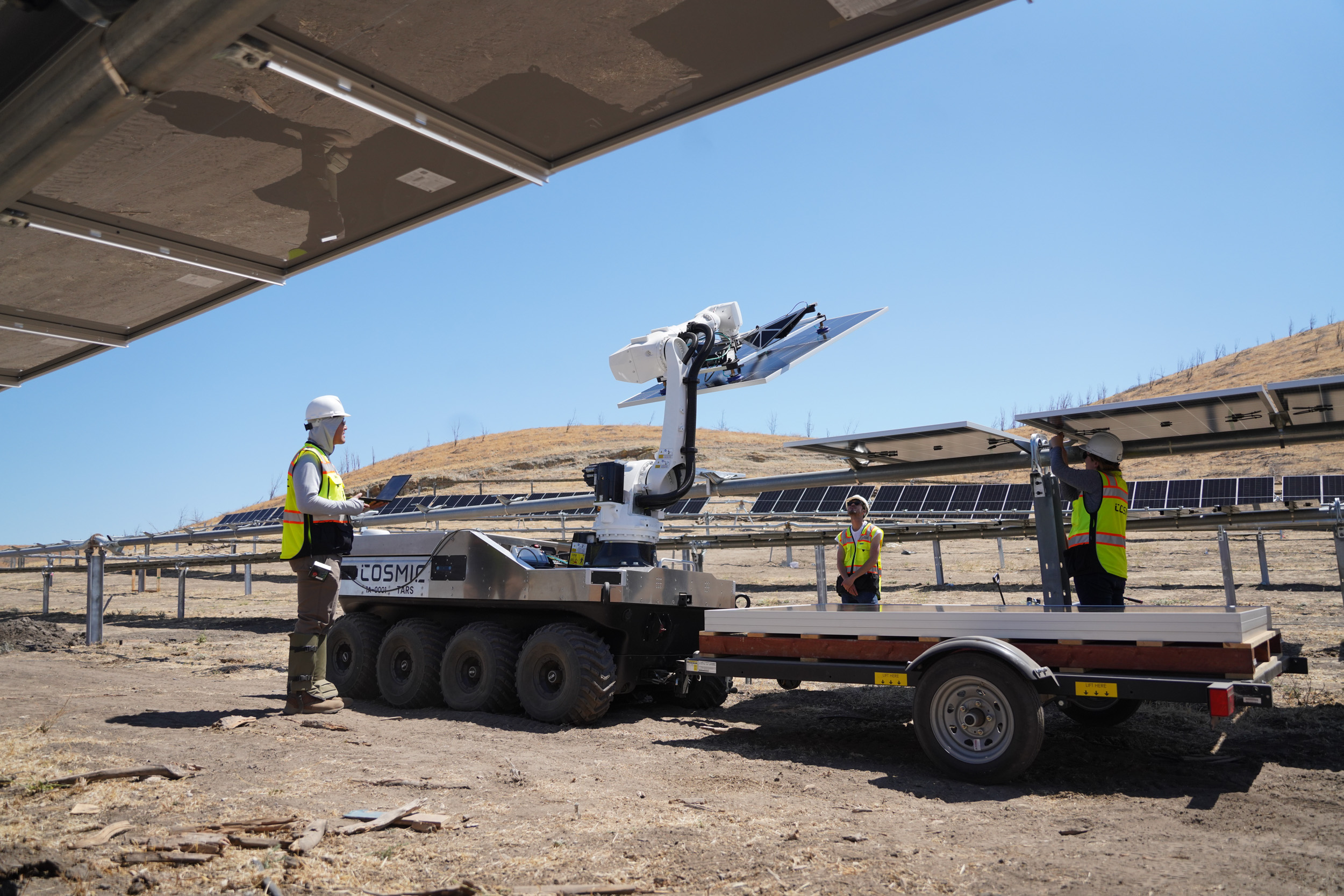
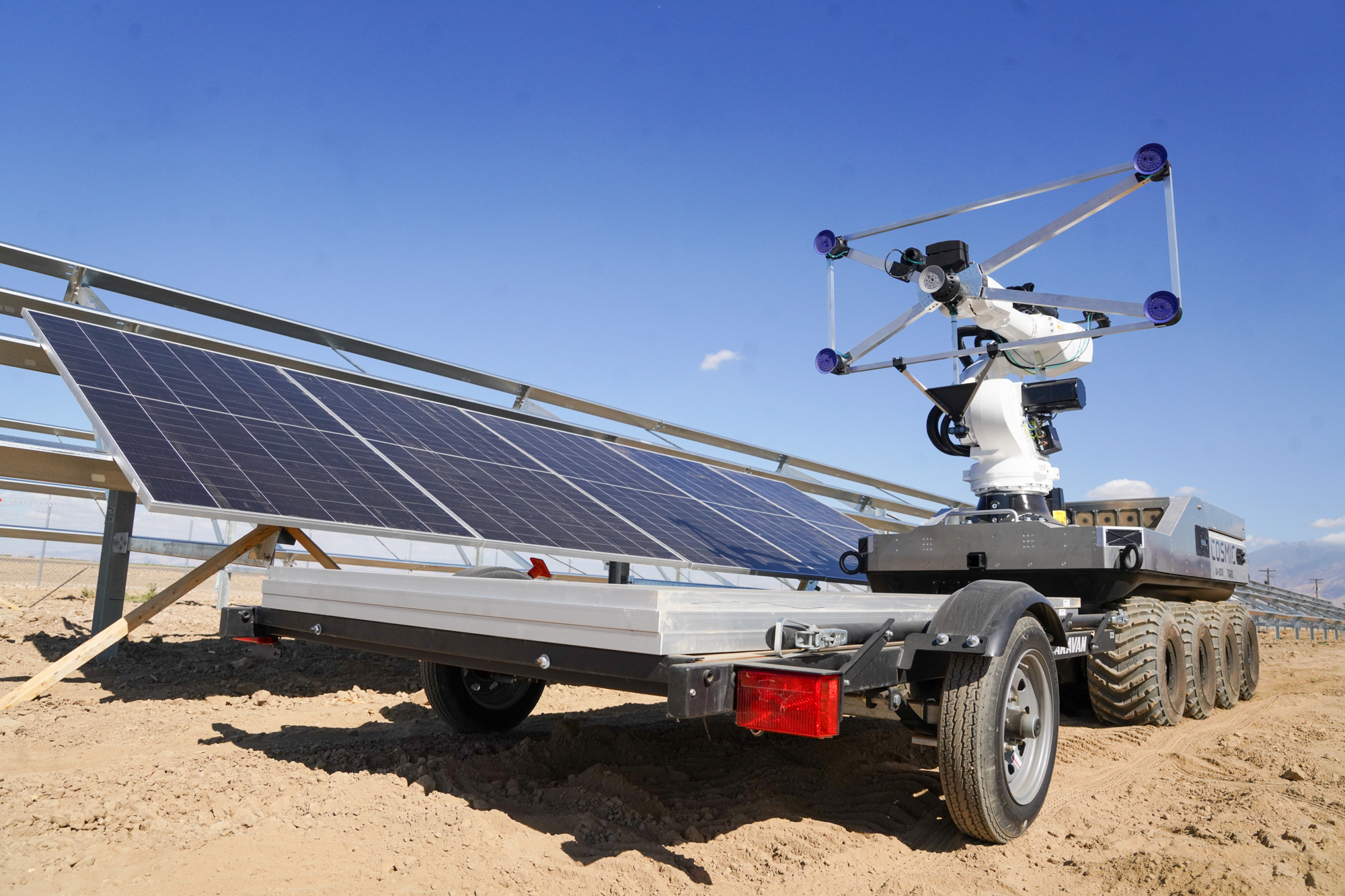
WERZ's documented reference is Cosmic Robotics: robotic solar construction captured across factory, field, founder, and aerial settings. That work can inform another hardware scope but is not evidence of substation, nuclear, fusion, utility, or lab production.
For other energy environments, the client identifies safety, site access, confidentiality, storage, airspace, and approval requirements. WERZ confirms feasibility before accepting the project and scopes only the work it can support.
Capabilities
Substation, solar field, storage install, EV charging build-out, geothermal well pad, and grid-edge deployment shoots. Multi-day crews, ground + Part 107 aerial, color-matched in post.
Energy hardware factory floors, fusion/nuclear lab spaces, storage assembly lines, and component manufacturing. Hardware-literate crew with appropriate PPE and IP gates.
Cinematic 60-90 second founder + product films for Series A/B/C/D energy decks. Built around what is operating today, scoped to the technical envelope of utility, IPP, and DoE audiences.

Utility customer stories, EPC partner films, IPP-deployment narratives, and industrial customer references. Sized for long enterprise sales cycles.

Potential aerial for approved public sites, subject to airspace, site permission, safety, insurance, weather, and operating conditions. Substation, storage, EV, or geothermal flights are not claimed as prior work.
Founder, principal-engineer, and senior-architect films built to convert senior energy talent. Mission and day-to-day specificity that outperforms job-post outreach at the senior level.
Recent energy work
Client voice
“From pre-production logistics to on-site shoots, editing, and delivery — he's consistently organized, prepared, and ready to execute. Reliable, talented, and low-drama. A combination that's hard to find and extremely valuable.”
Process
Before booking, we lock the technical envelope (what the hardware actually does), the operating envelope (substation/site/factory access, safety, escort), and the audience (utility, IPP, DoE program, investor). The shoot is scoped against all three.
The client identifies confidentiality, safety, access, storage, and approval requirements. WERZ confirms whether the requested workflow is supportable before booking.
Multi-day shoots across substations, solar fields, factory floors, R&D labs, and founder interviews. Ground + Part 107 aerial paired where the operating envelope permits.
Hero film, capability reel, social cutdowns, deck-embed loops, customer-story versions, and recruiting cuts — all from the same shoot, all pre-cleared.
Use cases
Cinematic founder + product films built for the investor deck. The asset that anchors the pitch and convinces partners who have already seen a hundred energy decks.
Trust-building films for multi-year utility and IPP commitments. Customer-deployment narratives that move the long enterprise energy sales cycle.
DoE program milestone documentation, ARPA-E demo-day films, and ARPA-E-to-commercial transition stories.
Films that explain the work and the mission to senior power, controls, materials, and grid candidates — outperforms job-post content at the senior level.
Booth loops, hero reels, and on-stand video for RE+, DistribuTECH, EUW, ARPA-E Summit, Fusion Energy Week, and category-specific energy industry events.
Funding, capability, commissioning, and partnership announcements — short-form video sized for press kits and trade press distribution.
FAQ
Climate-tech storytelling often leads with environmental outcomes, while energy-tech storytelling may lead with engineering and operations. WERZ's documented overlap is robotic solar construction for Cosmic Robotics; other sub-verticals are considered project by project.
Potentially, after review. The client must provide site-access, safety, confidentiality, equipment, storage, airspace, and approval requirements. WERZ has no public substation or grid-site case study and will confirm feasibility before accepting the shoot.
Energy tech brand films typically run $25,000-$80,000 for a single shoot package (hero film + capability cuts + investor-deck loop). Multi-site campaigns with factory, field, utility customer, and Part 107 aerial coverage scale to $80,000-$200,000+. Pricing reflects site complexity, NDA overhead, and multi-day field shooting.
Grid hardware (power electronics, transformers, controls, distribution), fusion, advanced nuclear (SMR, microreactors), energy storage (lithium, flow, long-duration), EV charging hardware and infrastructure, geothermal, large-scale solar, and grid-edge software-hardware integrations. Climate-led versions of these run under our climate tech approach.
WERZ will consider an approved public-facing utility or IPP story after the commissioning company and site owner define access, safety, disclosure, and review requirements. We do not claim a public utility or IPP case study on this page.
Pricing is scope-based, not template-based. We define deliverables, audience, locations, crew, and revisions before quoting — so the budget reflects actual production needs rather than a pre-set tier.
Yes. A fixed budget works best when deliverables, locations, revision rounds, and timeline are clear before production starts. We will tell you what is achievable inside the budget rather than promise more than the scope supports.
Both. Most marketing and web programs run as monthly retainers (strategy, content, optimization). Video and brand projects are typically scoped per engagement, with optional content retainers for ongoing assets.
Discovery and strategy run 1–2 weeks; production and build run 3–8 weeks depending on scope; launch and iteration kicks off after delivery. Marketing programs are ongoing with measurable milestones at month one, month three, and month six.
Yes, when the scope and approval lanes are tight. Rush projects work best when the team can lock decisions quickly and accept fewer revision rounds. We will tell you upfront if a deadline is unrealistic for the scope.
Get started
Tell us the company, the sub-vertical, the operating envelope, and what the deck or campaign needs to do. We will scope crew, sites, NDA gates, and the deliverable package around the operating reality.
Have one specific question? Email hello@werz.ai