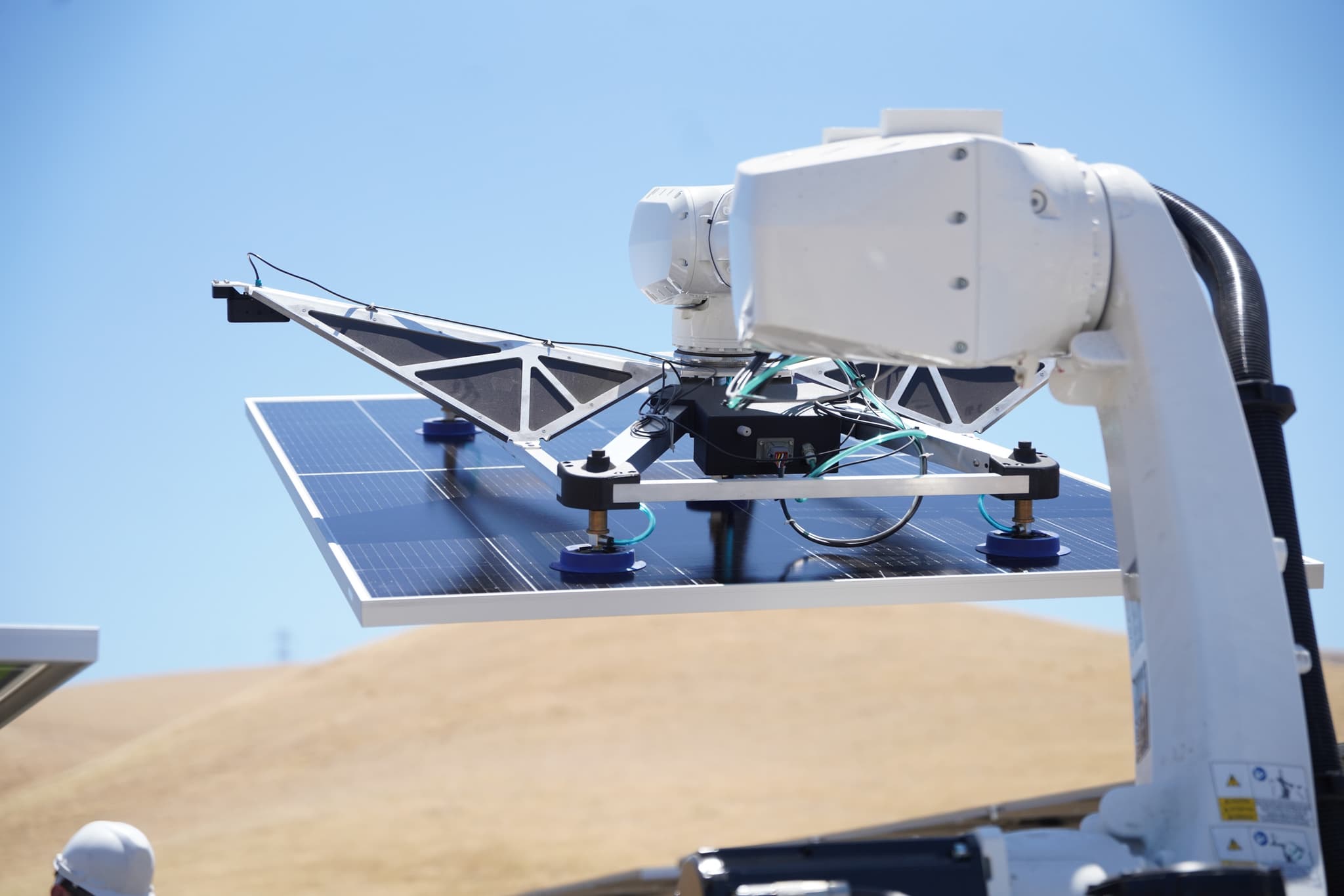
Advanced-energy teams often need to explain a physical system before a viewer can visit the facility or see it operate at commercial scale. The production plan therefore has to connect the mission, hardware, people, and approved technical evidence while respecting access, safety, confidentiality, and release review. WERZ's public proof is in solar-construction robotics and field production—not nuclear, fusion, substation, or laboratory production—so those additional requirements are evaluated before a scope is accepted.
Choose the decision the film must support
A fundraising film, recruiting story, customer explanation, policy briefing, and launch asset require different evidence. Name the primary audience, decision, distribution channels, and approved next step before writing the treatment. This keeps the film from becoming a broad technology overview that serves no one particularly well.
Create an approved claims ledger
List every performance, schedule, cost, capacity, safety, emissions, and deployment statement the film may make. Link each claim to an internal source and final approver, and mark forward-looking statements clearly. The creative team can simplify language for comprehension, but technical and legal owners must approve the meaning.
- Public and approved for release
- Accurate but requires context or qualification
- Forward-looking and approved with exact language
- Confidential, restricted, or not yet substantiated
Separate facility access from camera access
A person may be cleared to enter a site while a camera, wireless device, production drone, or storage medium is not. Document escorts, PPE, training, equipment inspection, radiation or electrical boundaries where applicable, approved camera positions, background restrictions, and emergency procedures. The facility owner determines the controls; production confirms it can comply before booking.
Show scale without inventing it
Use diagrams, approved visualization, component detail, operator context, and real environmental footage to explain how the system fits together. Clearly distinguish operating hardware, prototypes, test articles, simulations, and future facilities. Avoid edits that imply a demonstration occurred at a scale or in an environment the captured material does not establish.
Design technical and release reviews
Engineering reviews accuracy; communications reviews clarity and positioning; legal, security, and facility owners review disclosure. Give each group a named approver, review window, and responsibility. Time-coded notes and a locked claims ledger keep factual corrections separate from open-ended creative preferences.
Plan a reusable launch system
One controlled-access production can support a hero film, founder and engineer profiles, website loops, technical explainers, recruiting cuts, stills, investor-deck clips, and press assets. Define crops, captioning, silent playback, approval versions, and retention rules in advance so every derivative stays inside the same release envelope.